
MindTrays Where Light Falls
50 chalk-and-charcoal cards on black paper about what we hide and what we show — a thin line of light under a lid, a half-lit moon, a shadow far larger than its chair. For shadow work, therapy and self-reflection: notice where the light falls, then ask what stayed in the dark.
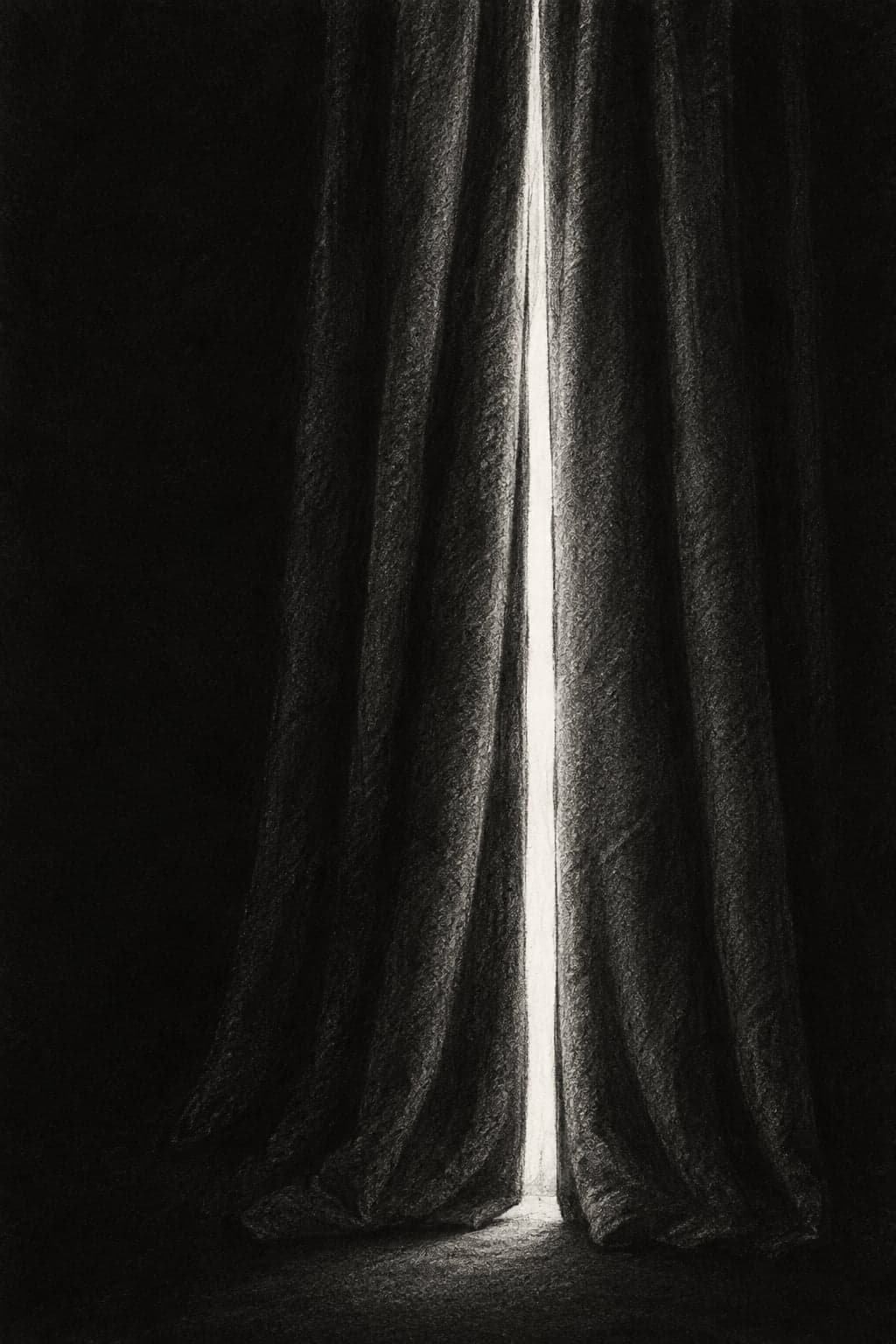
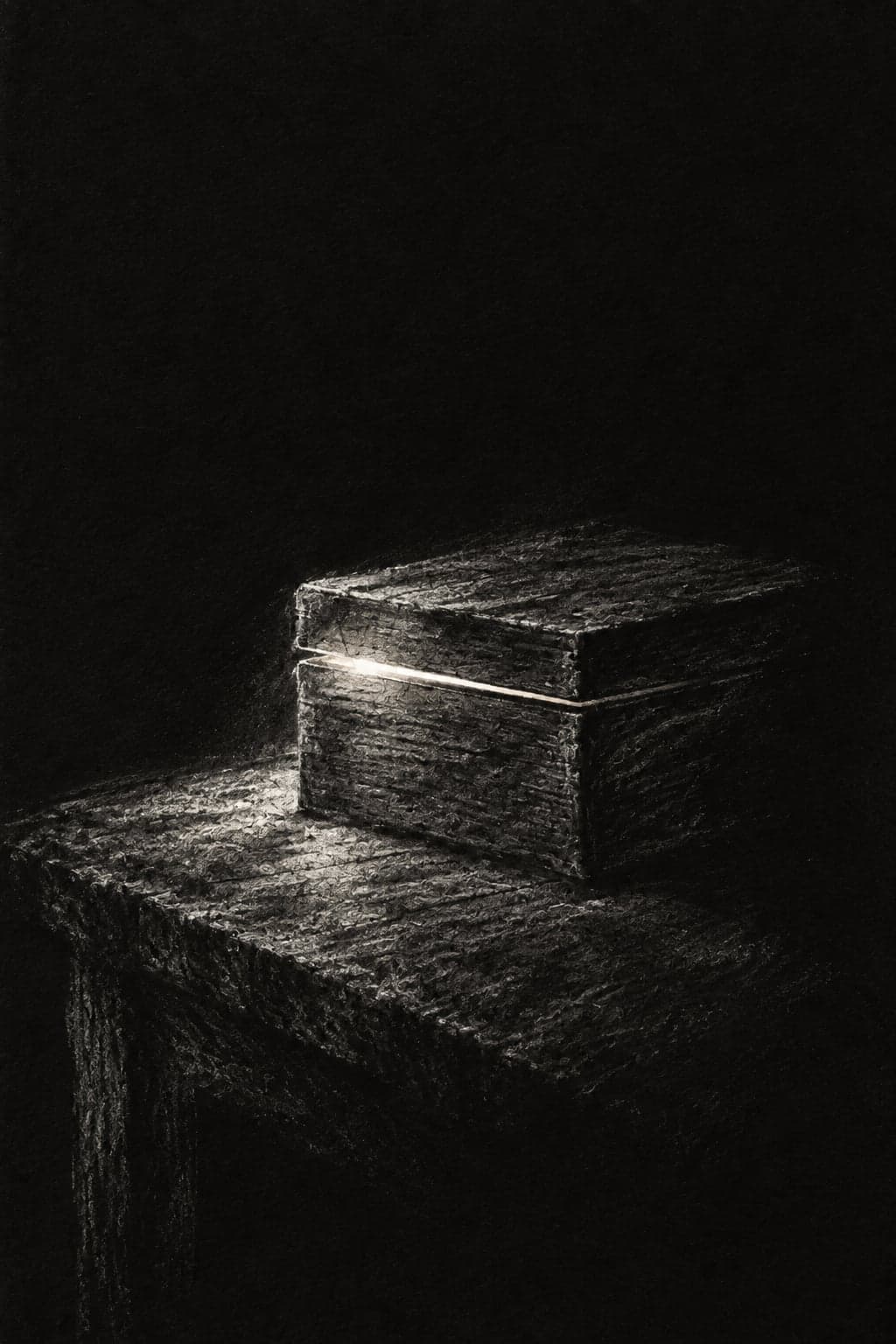
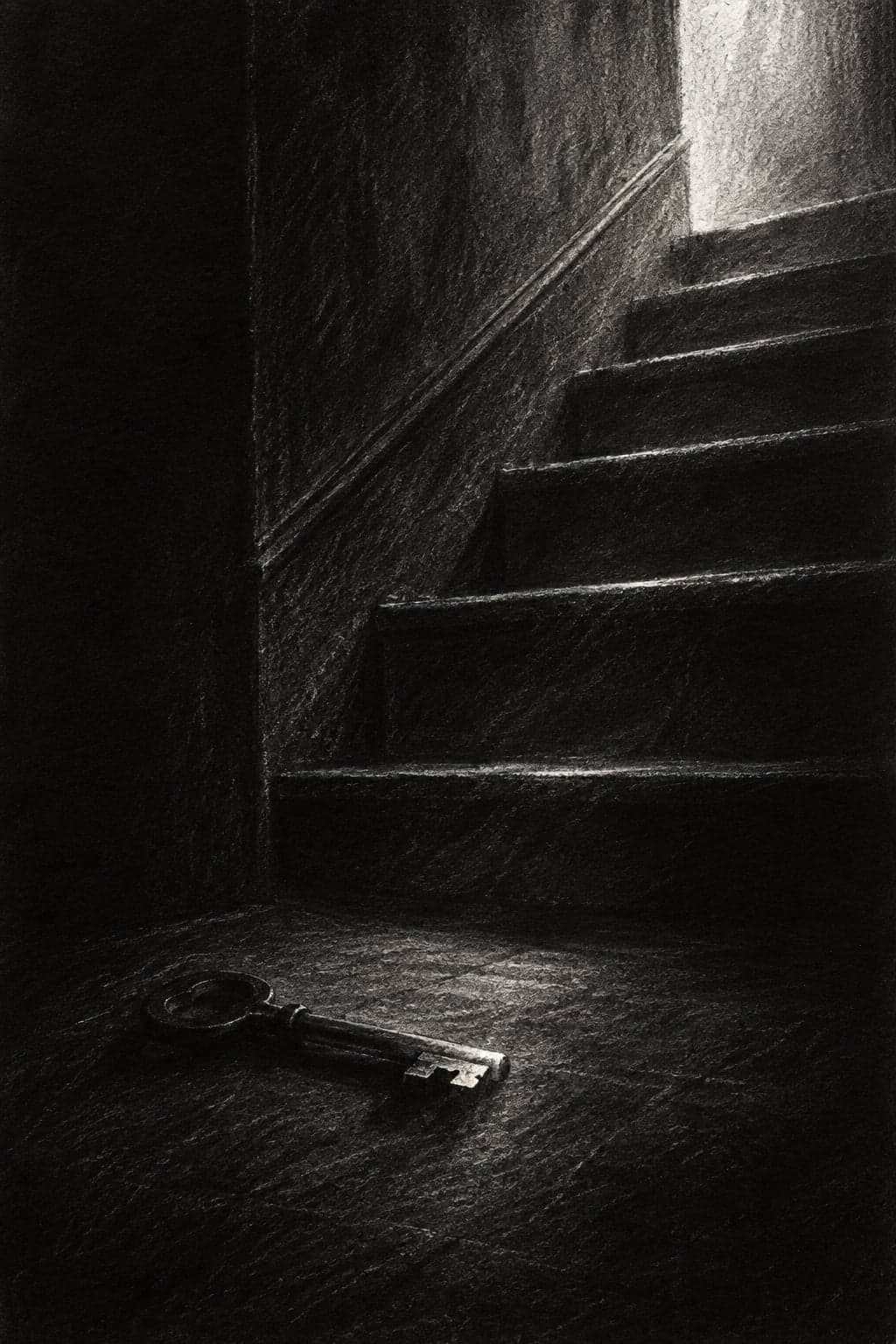
Where Light Falls is a 50-card deck about what we show and what we keep in the dark. Every card is a chalk-and-charcoal drawing on black paper: a thin line of light under a closed lid, a moon exactly half lit, a small chair throwing a giant shadow. There are no words and no people on the cards — you notice where the light lands, then ask what stayed outside it.
Before you start
Shadow work without the drama
The dark part of a card is not the bad part. It is simply what the picture doesn't show yet — a feeling you set aside, a strength you don't use, a memory you walk around. The deck invites looking, not digging: the person decides how far into the shadow to go.
The cards
Light, shadow and everything between
Ordinary things — a box, a stair, a match, a cracked cup — drawn so that only part of them is visible. The missing part is where the conversation goes.
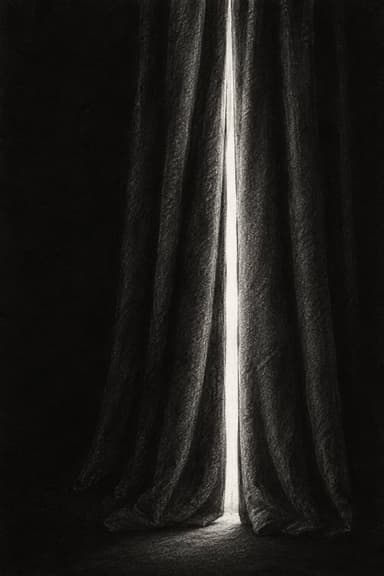
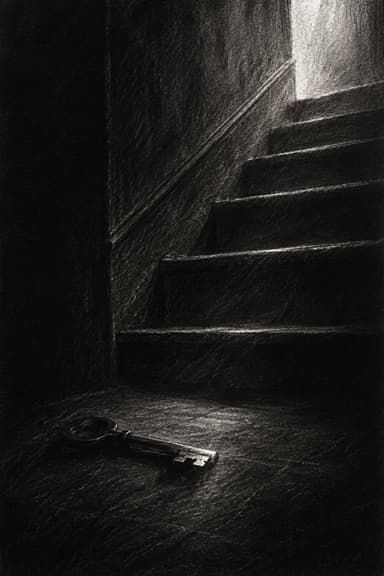
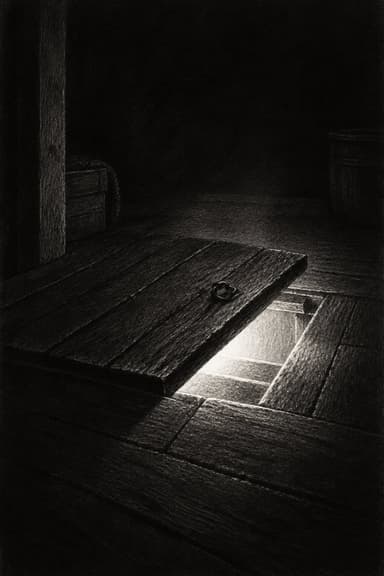
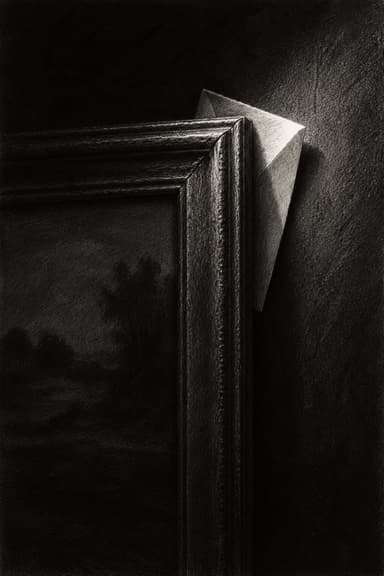
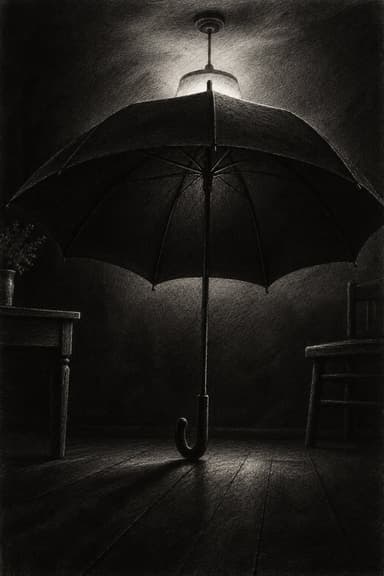
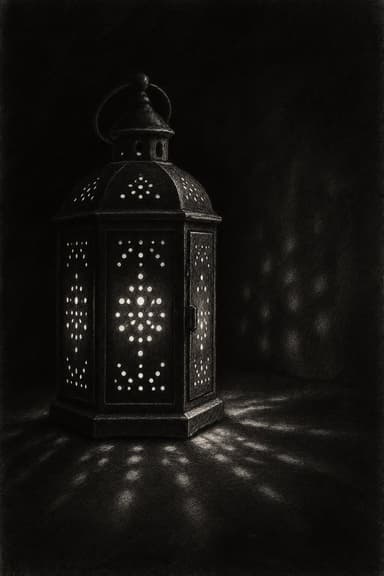
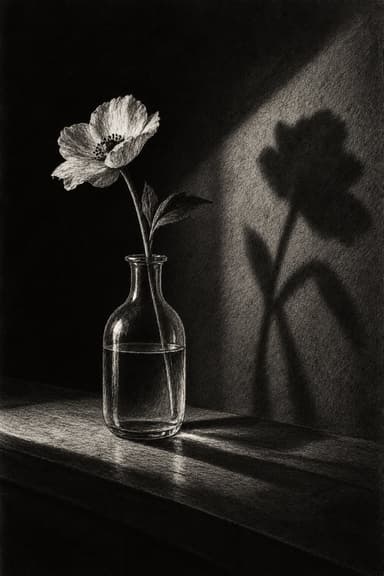
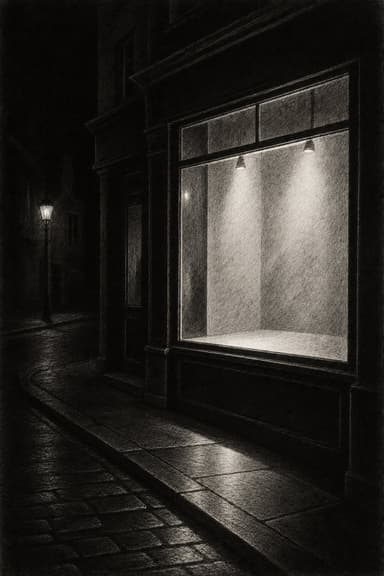
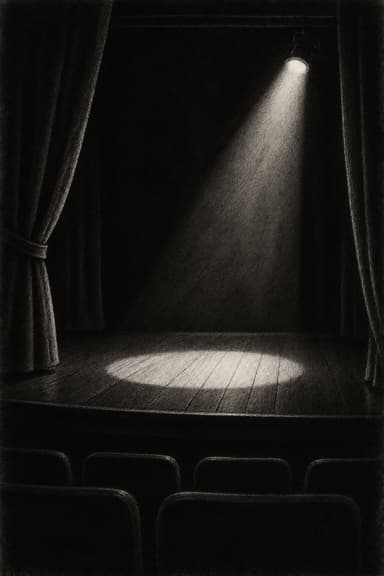
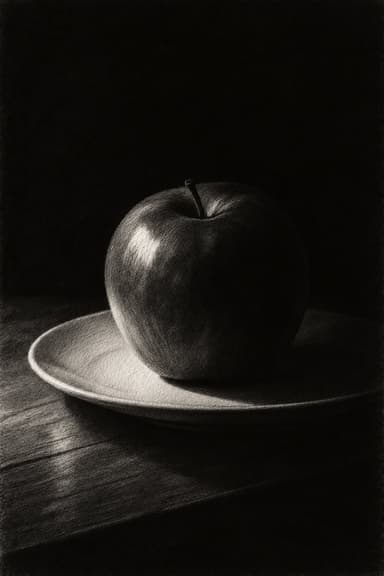
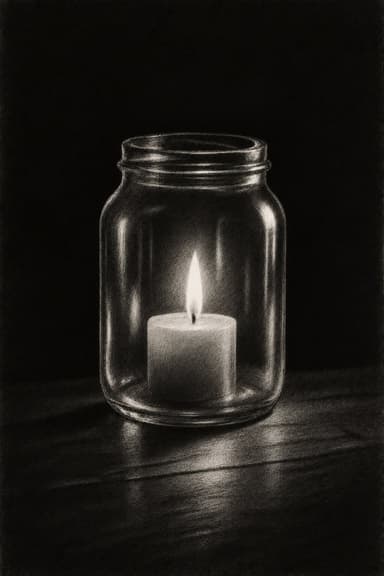
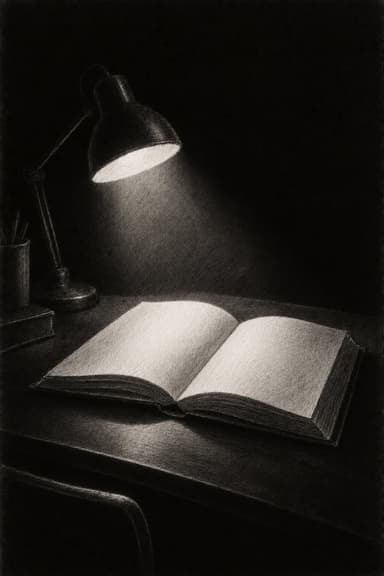
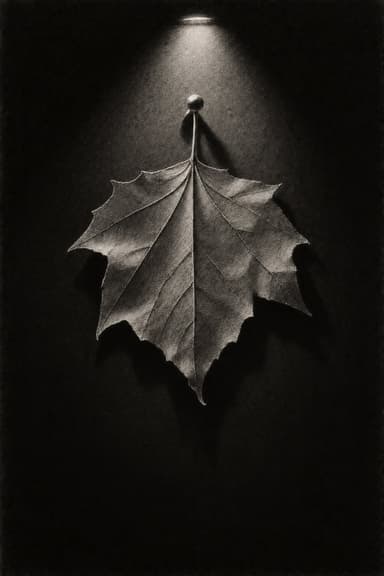
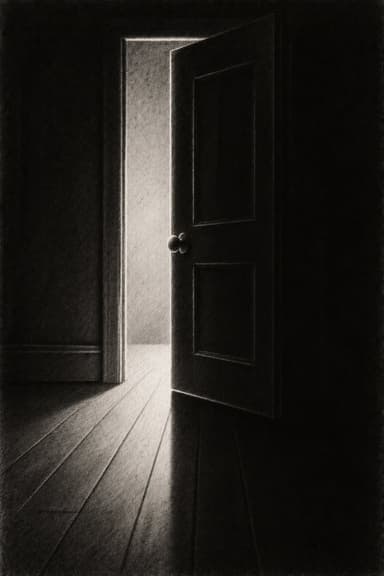
Open the deck to see all 50 and choose the ones for your session.
What's inside
50 cards in seven movements of light
Groups make it easy to put one theme on the table. Pairing a hidden card with a revealed one is where most insights happen.
Three cards up close
One image, many readings
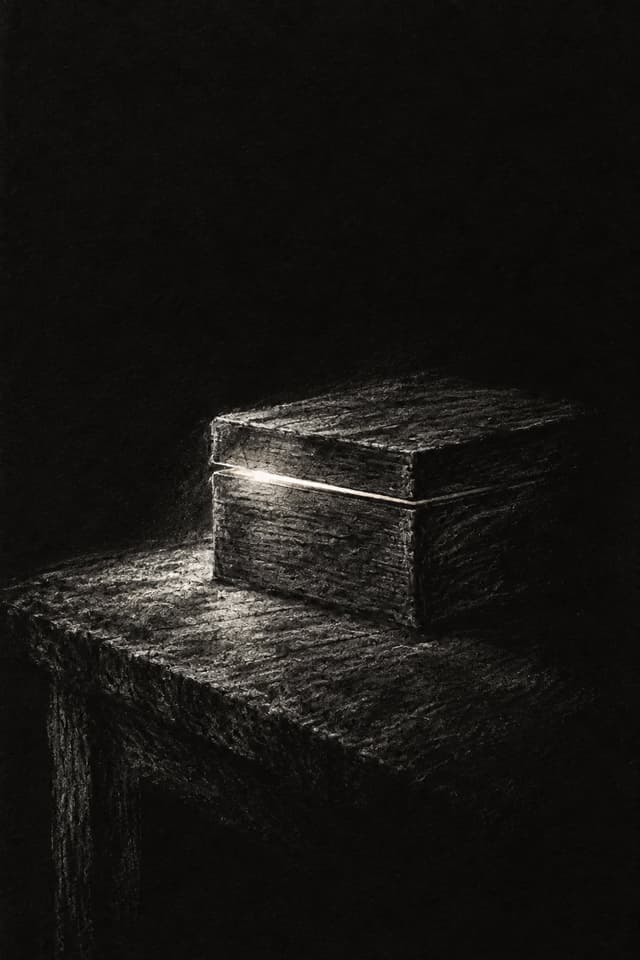
The box
What do you keep closed — and what is leaking out anyway?
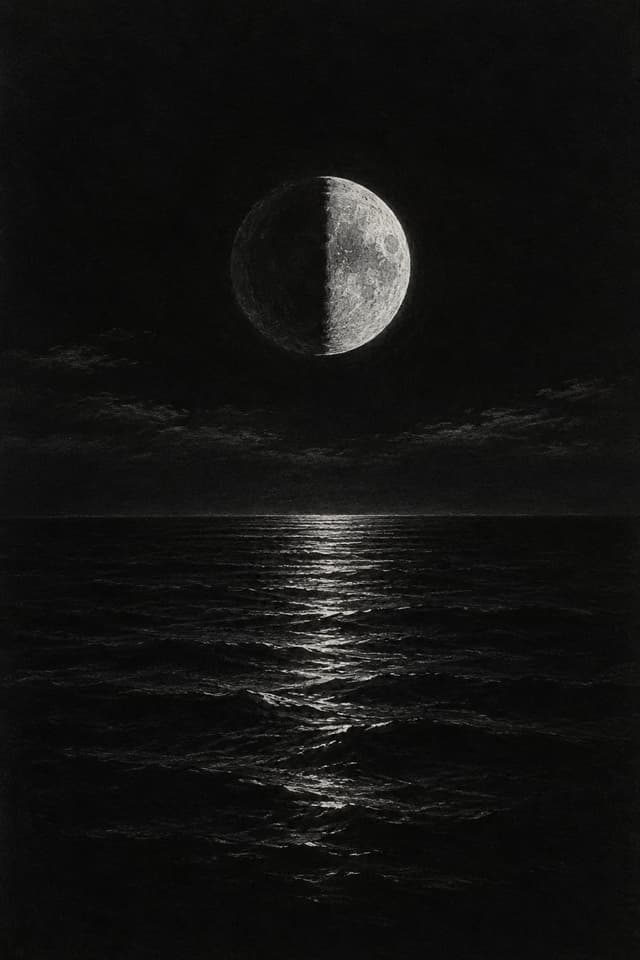
Half the moon
Which half of you do people usually see?
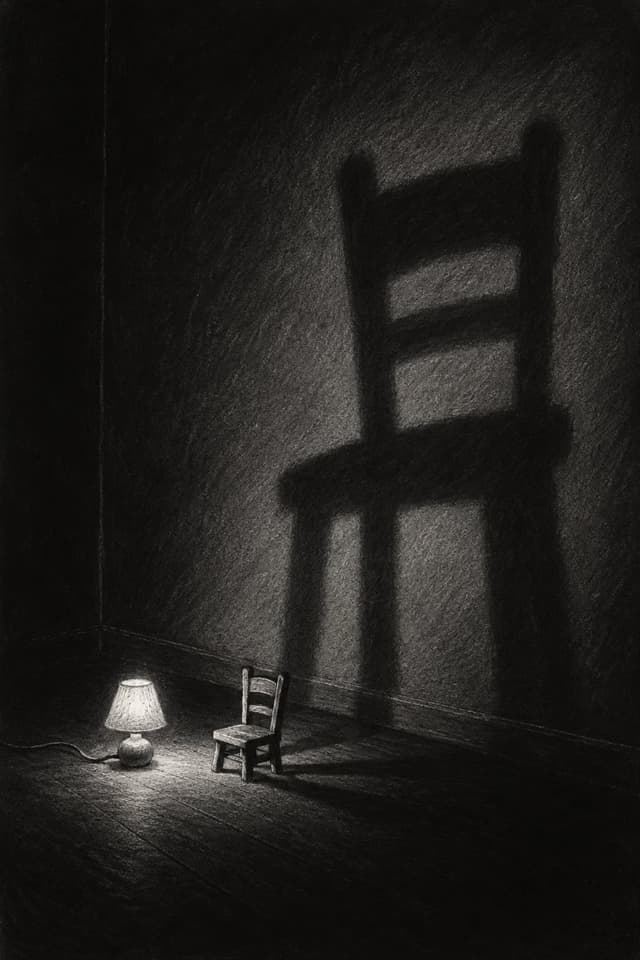
The big shadow
What small thing takes up more space than it should?
Questions to ask
Prompts that work with these cards
Example spreads
Three layouts to start from
Positions guide the conversation; they never fix what a card means.
Lit and hidden
2 cards
- 1What I show
- 2What I keep in the dark
Moving the lamp
3 cards
- 1Where the light is now
- 2What stays in shadow
- 3Where I want the light
The shadow's gift
4 cards
- 1The shadow
- 2What it protects
- 3What it costs
- 4What it could become
Why this deck
Made for the parts that are hard to name
A safe way in
Talking about a shadow on a card is easier than talking about yourself. The picture carries the weight first.
Both sides on the table
Every card holds light and dark at once, so the conversation never stays only on the problem.
Calm on purpose
Monochrome drawings with lots of empty black space — quiet enough for difficult topics and long silences.
When to reach for it
Conversations this deck opens
Shadow work. Meet the traits you push away as images first — without labels like "bad" or "weak".
Masks and roles. Contrast what you show at work, at home and online with what stays behind the curtain.
Shame and secrets. Let a closed box or a drawn curtain stand in for what is not ready to be said.
Fear. Look at a shadow that is larger than the thing casting it — and ask where the lamp is.
Grief and hard seasons. Find the small light that is already there before looking for the dawn.
Hidden strengths. Turn over what light reveals: resources you don't notice because you use them every day.
Group check-ins. Each person picks what they are bringing into the light today.
Journaling. Draw one card in the evening and write what it showed and what it left out.
The artwork
Drawn out of the dark
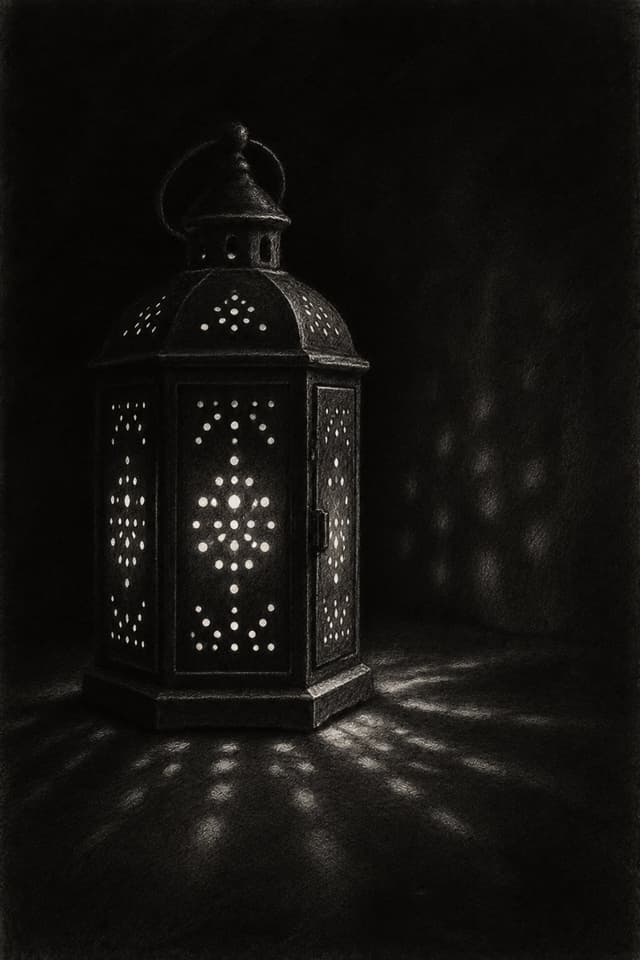
Every card is original artwork created for MindTrays in white chalk and charcoal on black paper. Nothing is fully visible: objects appear only where the light touches them, and the black paper does half of the work.
The strict monochrome keeps the deck quiet and makes it work across cultures and languages. Cards render at 1024×1536, sharp enough to zoom into the grain of the chalk on a shared screen.
How to work with it
From deck to conversation
Choose the theme
Put one group on the table, or all 50 if the question is still unclear.
Pick face down or face up
Face up when you want to choose consciously; face down when you want the deck to surprise you.
Follow the light
Describe only what is lit first. Then describe what is in shadow. Notice which is easier.
Write what surfaced
Note what the card showed and what it kept back. The spread saves with the session.
Questions
About this deck
What are shadow work cards?
How many cards are in the deck?
Is this a Tarot or oracle deck?
Can I use it on my own?
Can I use it online with a client?
Is it suitable for teenagers?
Other decks
Pairs well with


Move the light and see what appears
Open MindTrays Where Light Falls, choose one card, and describe only what is lit. Working with someone remotely? Start a collaborative session and send them the link.
