
MindTrays Relationships
60 linocut cards about closeness, distance, conflict, repair, family and boundaries — two cups, a mended bowl, a gate left half open. Built for couples and family work: people choose the image that fits their relationship, and the conversation starts from there.


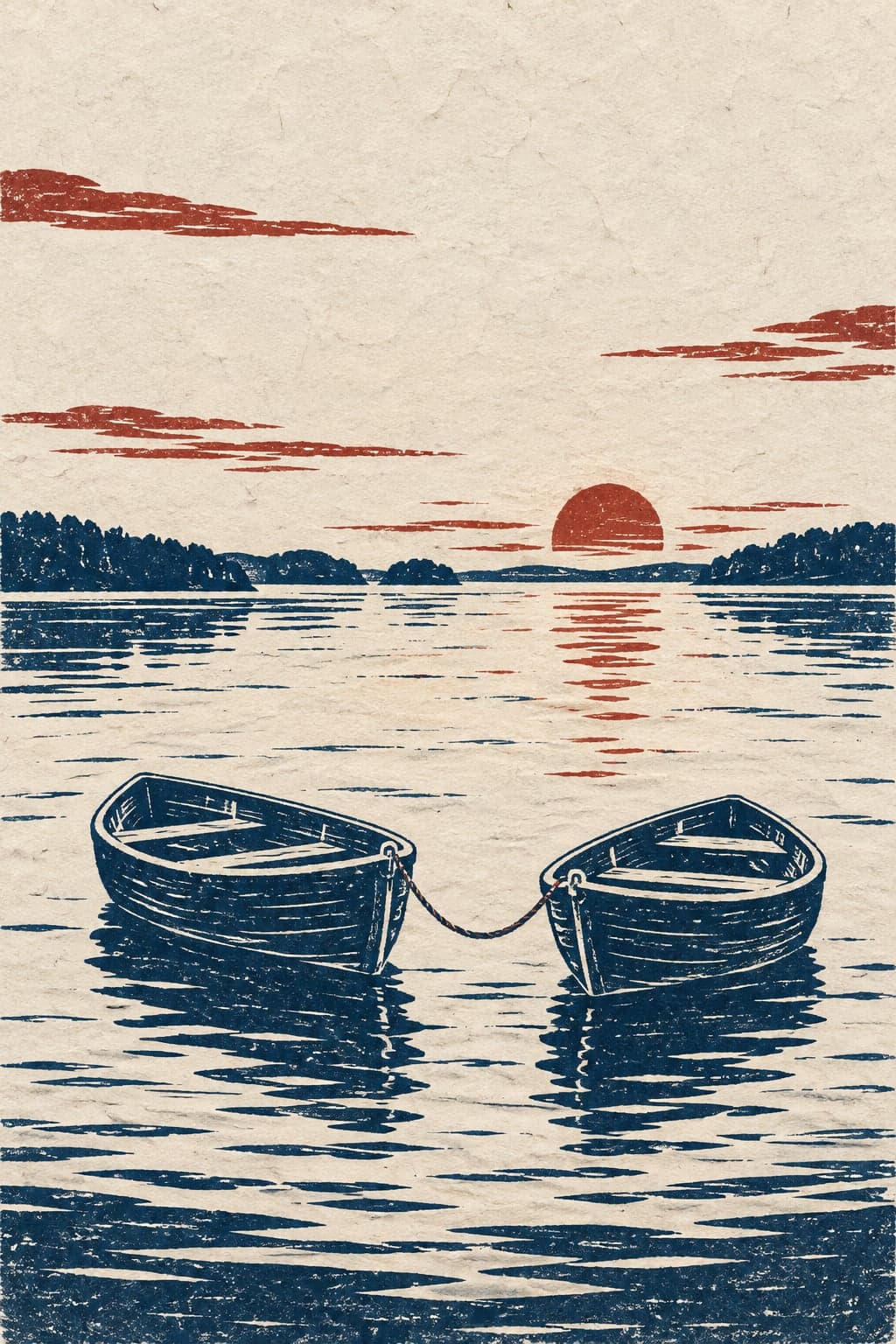
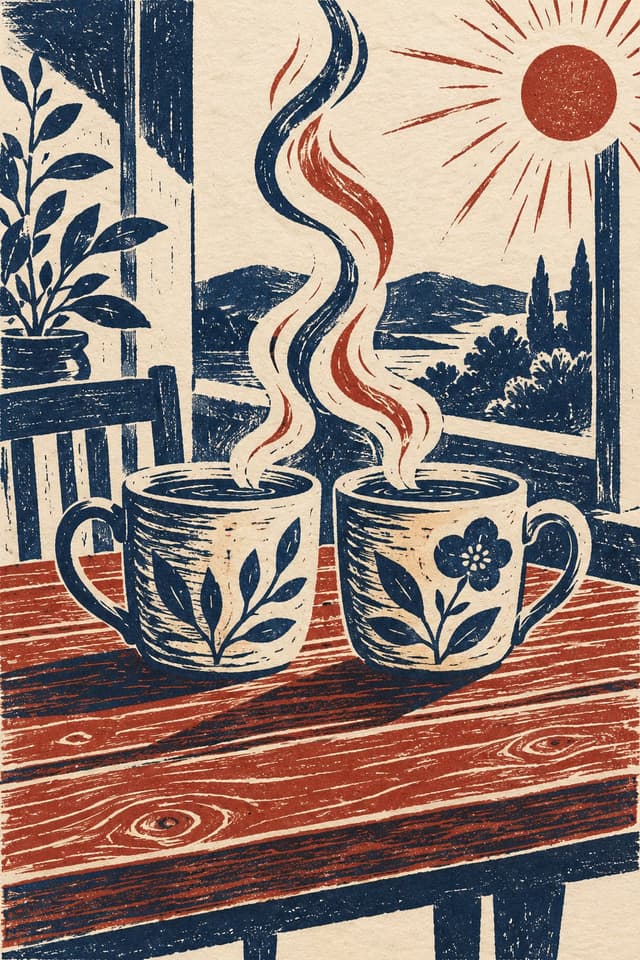
Relationships is a 60-card deck about what happens between people. Closeness, distance, conflict, repair, belonging and boundaries — shown through objects and places, never faces: two cups steaming side by side, a boat drifting from the pier, a bowl mended with gold. There is no text on the cards and no fixed meanings; each person chooses the image that fits their own relationship.
The cards
Scenes, not faces
Nobody has to find themselves in a stranger's portrait. A pair of chairs, a gate, a storm between two houses — the relationship lives in the picture.




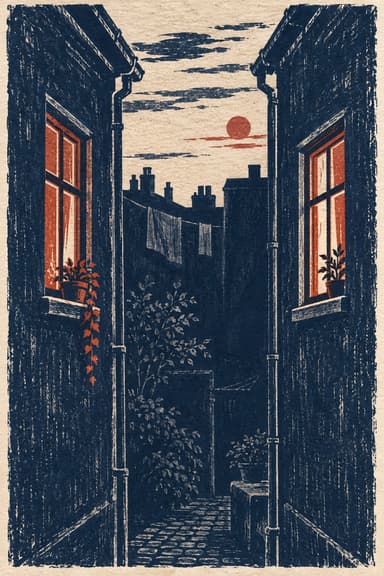

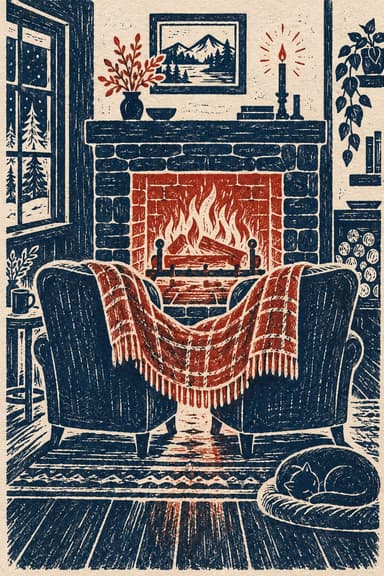
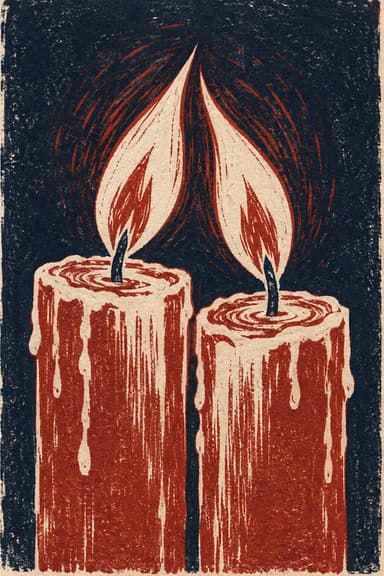

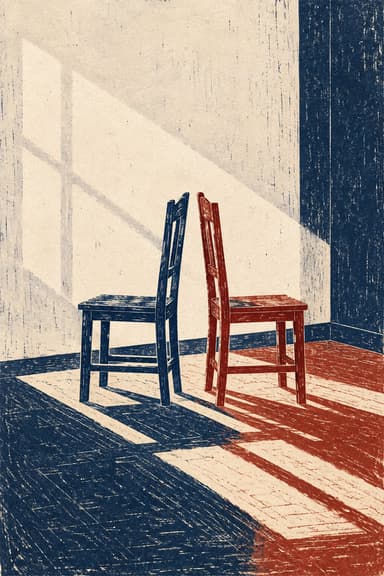

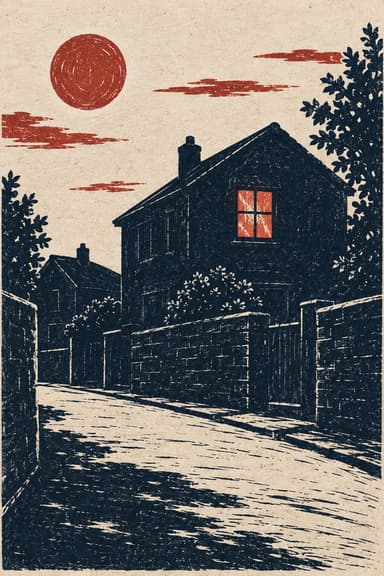


Open the deck to see all 60 and pick the ones for your session.
What's inside
60 cards, six ways of being together
The groups make it easy to put a theme on the table. Mixing them is where couples surprise each other.
When to reach for it
Conversations this deck opens
The first couples session. Each partner picks a card for "us, right now" before either explains anything.
After a fight. Name what broke and what it cost without replaying who said what.
Growing apart. Put distance on the table as a picture — two islands, a boat leaving — instead of an accusation.
Family mapping. One card per person, placed by closeness and direction; the layout says what nobody would.
Boundaries work. Find the gate, the wall or the curtain that fits — and whether it should open or close.
Separation and co-parenting. Talk about what remains shared when the relationship changes shape.
Team friction. Let colleagues show how collaboration feels without naming anyone.
Your own relationships. A card for someone you keep thinking about, and a few lines on what it shows.
Who it's for
Built for the space between two people
Couples therapists
Two partners choosing separately surface the differences a joint conversation smooths over. Nothing on the card takes a side.
Family & systemic work
Map closeness, distance and belonging on the table. Children and adults can use the same images — no reading, no faces to compare.
For yourself
A quiet way to look at a friendship, a parent or an ex. Choose the picture first; the words tend to follow.
Example spreads
Three layouts to start from
Positions guide the conversation; they never fix what a card means.
Us now
2 cards
- 1How it feels to me
- 2How it feels to you
The bridge
3 cards
- 1Where I stand
- 2What could connect us
- 3Where you stand
Repair
4 cards
- 1What broke
- 2What it cost
- 3What still holds
- 4What could mend it
How to work with it
From deck to conversation
Choose the theme
Put one group on the table, or all 60 if the relationship needs room.
Pick separately
Each person chooses face up without showing the other. The reveal is the moment that matters.
Lay them side by side
Drag the cards closer or further apart. Distance on the desk often says what words avoid.
Write what surfaced
Note what each card stirred. The spread saves with the session for next time.
Questions to ask
Prompts that work with these cards
The artwork
Carved, printed, and made for this deck
Every card is an original linocut-style print created for MindTrays in two inks — deep indigo and brick red — on warm rice paper. The limited palette keeps the deck calm, so the relationship in the picture is what people notice first.
Cards render at 1024×1536, sharp enough for a couple to zoom into the detail that caught them on a shared screen.
Questions
About this deck
How many cards are in the deck?
Why are there no people on the cards?
Can couples use it without a therapist?
Can I use it online with a couple?
How is this different from Tarot?
Do I need training to use it?



Put your relationship on the table
Open MindTrays Relationships, choose a card each, and turn them over together. Working with a couple remotely? Start a collaborative session and send them the link.
