
MindTrays Doors & Thresholds
A deck of 45 cinematic doorways and thresholds that helps you explore moments of choice, change, and the quiet courage it takes to step from one chapter into the next.

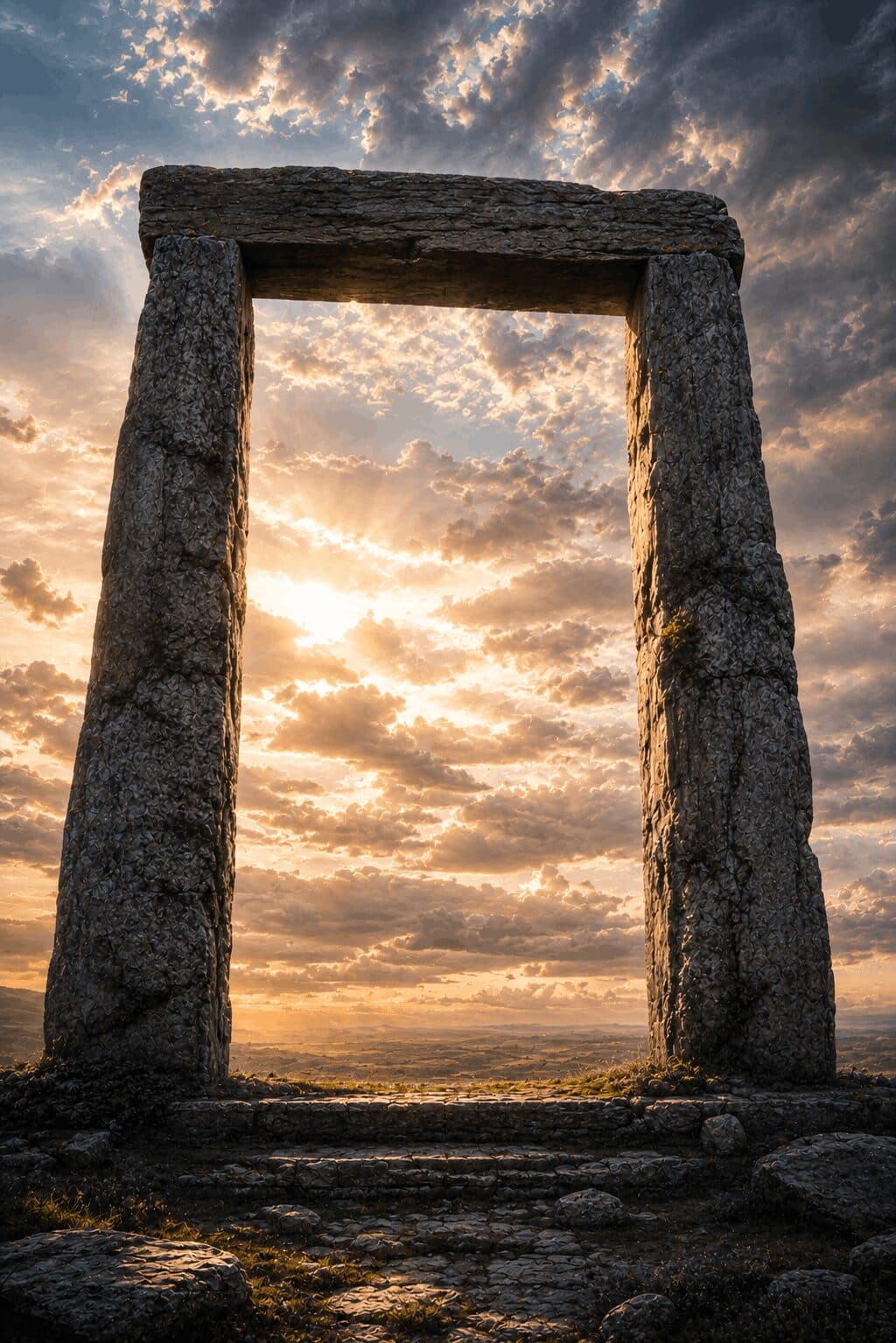
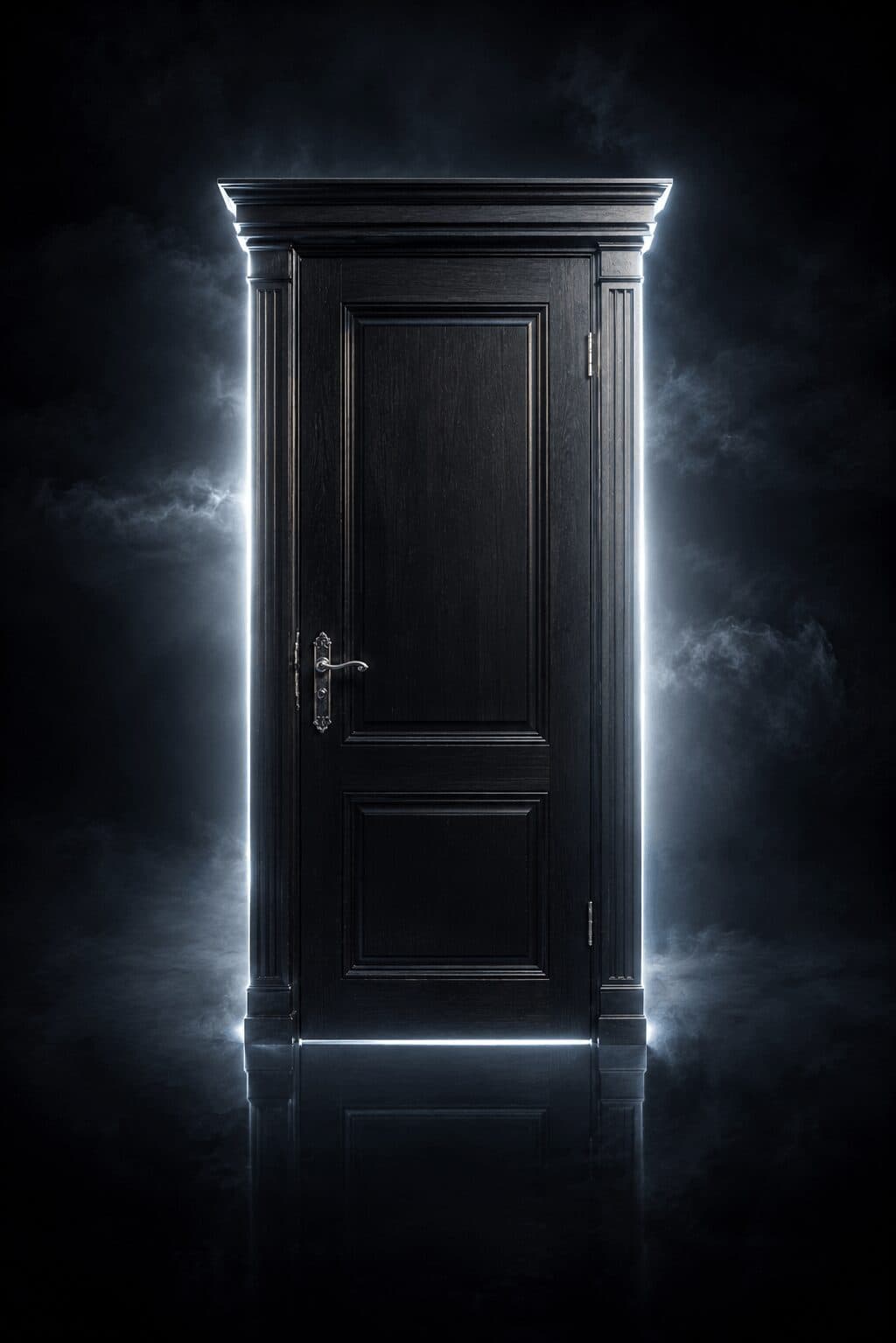
Doors & Thresholds is a 45-card deck about moments of change. Open gateways full of light, doors shut and guarded, passages left ajar, arches swallowed by roots and snow — every card is a threshold. People choose the one that looks like where they stand, and the conversation about what comes next begins there.
The cards
45 ways to stand at a threshold
Light spilling through, a red door in the rain, a stair climbing into cloud. No two doors ask the same question.

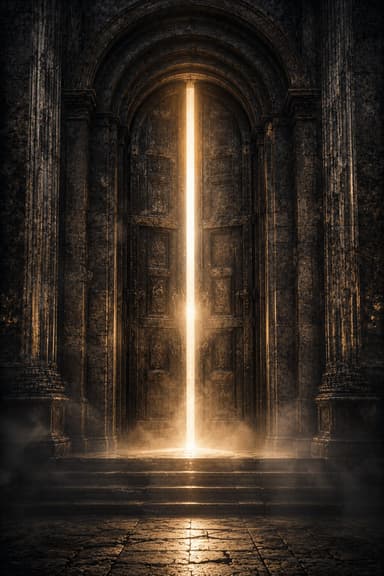

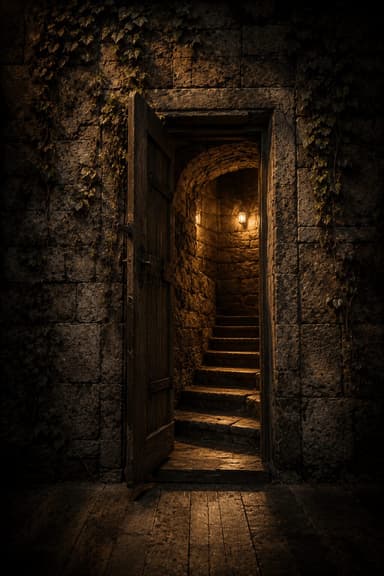
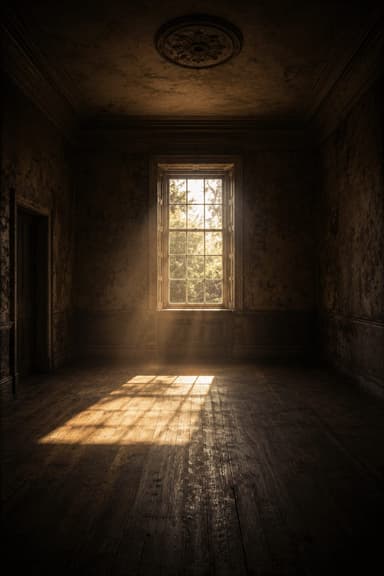
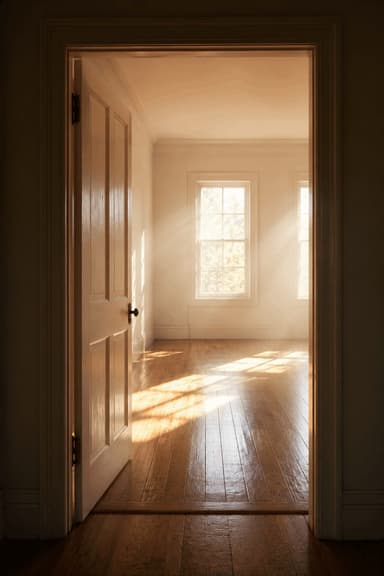
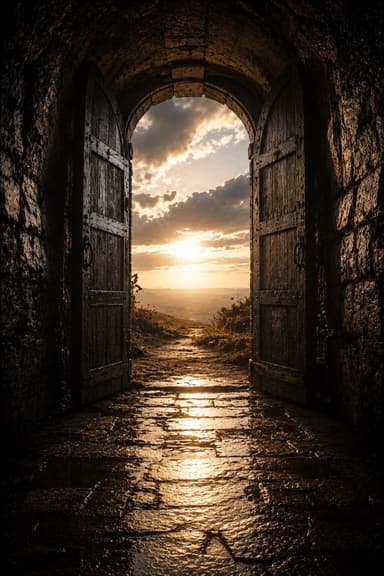
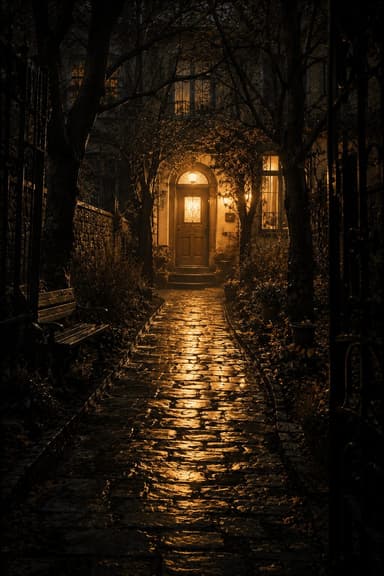
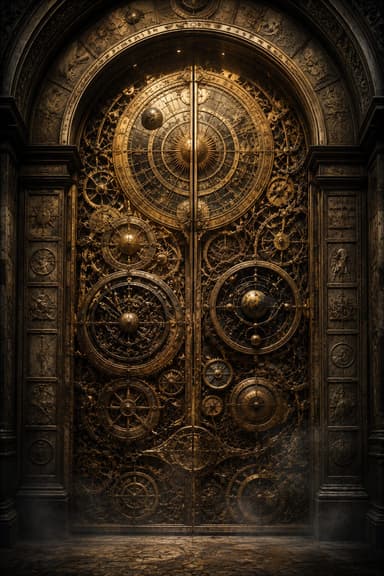
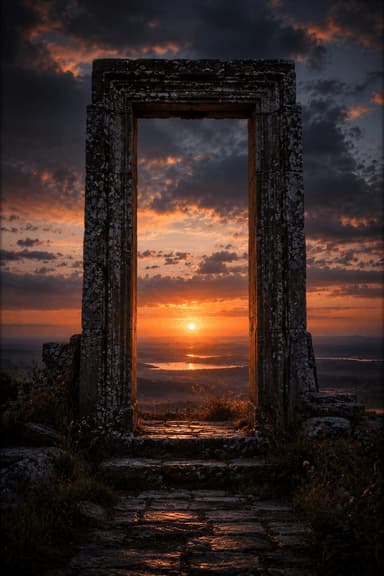

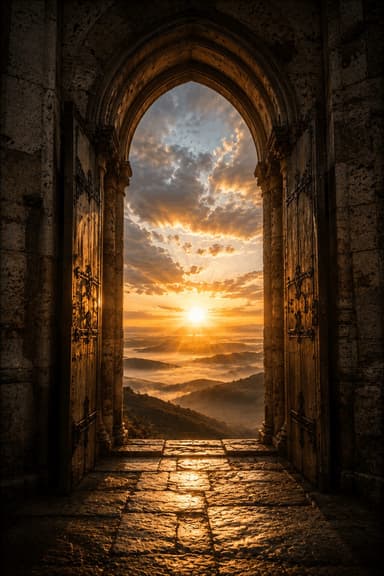
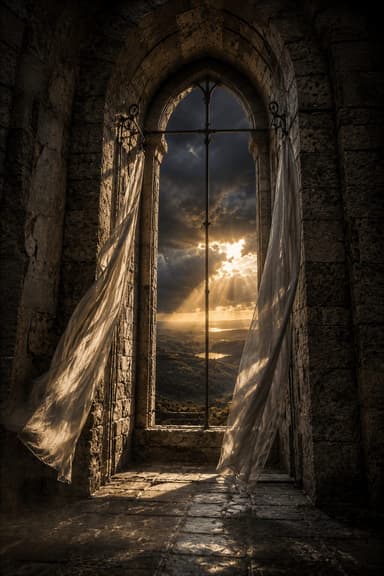
Open the deck to walk through all 45.
When to reach for it
Made for the in-between
Career change. Picture the door you're leaving and the one you're considering — and what stands between them.
Endings and beginnings. Graduation, retirement, a move, a breakup: name the threshold before trying to cross it.
Big decisions. Lay out two or three doors and notice which one the body leans toward.
Feeling stuck. A closed or guarded door gives "I can't move" a shape that can be explored.
Fear of the unknown. Talk about what lies beyond the frame without needing to know it.
Closing a chapter. Choose the door you are walking out of and say goodbye to the room.
Group transitions. Teams facing a restructure pick the door that fits their experience of the change.
New-year reflection. One threshold for the year behind you, one for the year ahead.
What's inside
Four kinds of doorway
Open, closed, ajar or wild — the kind of door someone picks often says more than their explanation.
Example spreads
Layouts for crossing over
Each position is a question, never a verdict on the card.
The threshold
3 cards
- 1The door I'm leaving
- 2The doorway I'm in
- 3The door ahead
Two doors
3 cards
- 1Option one
- 2Option two
- 3What I'm really choosing
The locked door
4 cards
- 1What is closed
- 2What keeps it shut
- 3What is on the other side
- 4What could open it
Who it's for
For anyone standing in a doorway
Coaches
Career transitions, promotions, leaving a business. Clients see the choice as a picture before they defend it with arguments.
Therapists
Grief, separation, relocation, identity change. A threshold gives words to the space between who someone was and who they're becoming.
For yourself
Pull a door when something is ending or starting. Write what you see beyond it — and what you're carrying through.
Questions to ask
Prompts for a doorway
The artwork
Cinematic light for a quiet decision
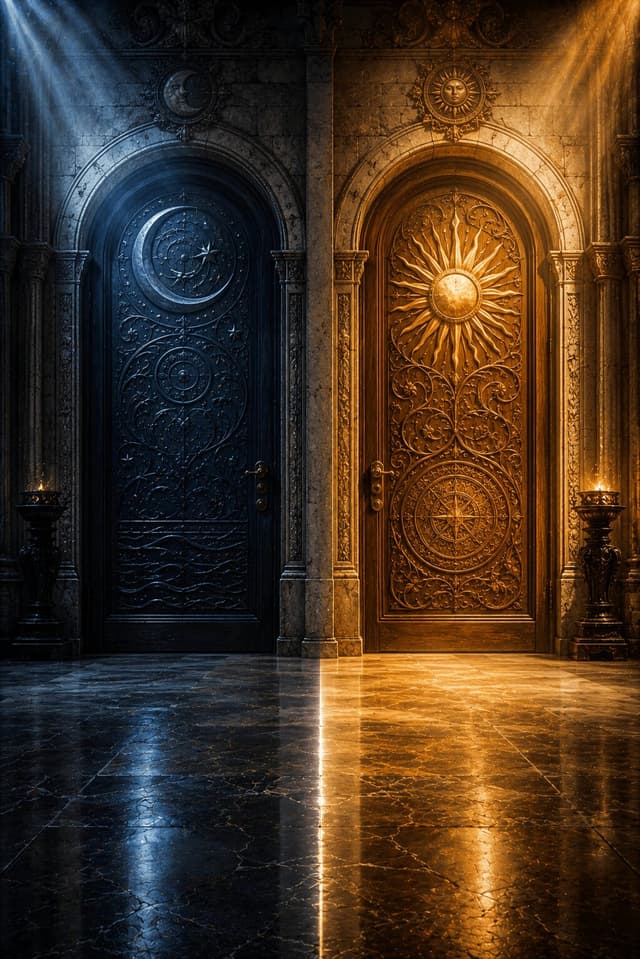
The deck is made of original cinematic images created for MindTrays — stone arches, carved wood, iron gates, lit from within or from beyond. Deep shadows and warm light make each card feel like a moment just before a step.
Nothing on the card is written or labelled, so the doorway means what the person looking needs it to mean.
Questions
About this deck
What is a threshold card deck used for?
How many cards are in the deck?
Is it only for coaching?
Can I use it with a client online?
Does a closed door mean something bad?
Do I need training?
Other decks
For the next step



Choose the door you're standing at
Open MindTrays Doors & Thresholds, lay out a few thresholds and see which one holds your attention. Coaching remotely? Start a collaborative session and send the link.
