
MindTrays Faces & Expressions
A deck of 60 watercolour faces caught in a wide range of expressions — joy, calm, sadness, fear, anger, shame, wonder and the in-between moments that are hard to name. Built to help clients, teenagers and self-reflectors find words for feelings. The cards don't label emotions: the meaning belongs to the person looking.
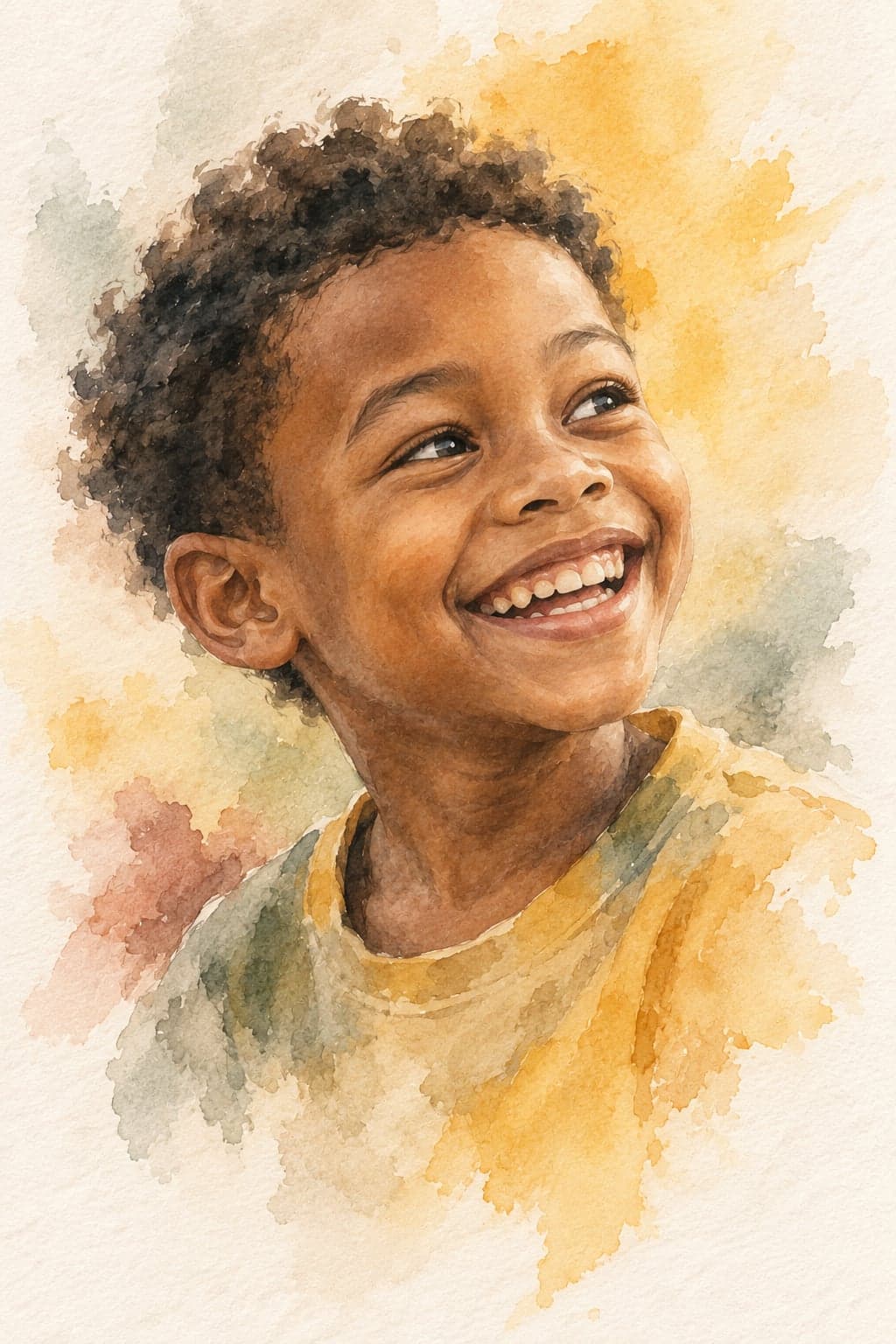


Faces & Expressions is a 60-card deck of watercolour faces for naming feelings. Joy, calm, sadness, fear, anger, shame, wonder — and the in-between moments that fit no single word. The cards never label an emotion: a face that looks angry to one person reads as hurt to another, and that difference is where the conversation starts.
What's inside
Eight families of feeling
Grouped so you can bring one emotion to the table — or mix them when a feeling is really several at once.
The faces
Point first, find the word after
Every portrait is painted for MindTrays. Look for the face that matches the inside — not the one you think you should pick.





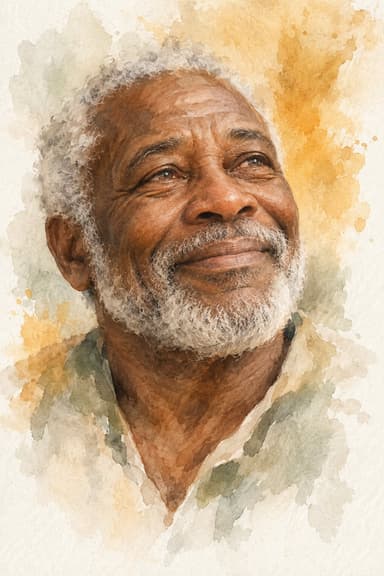









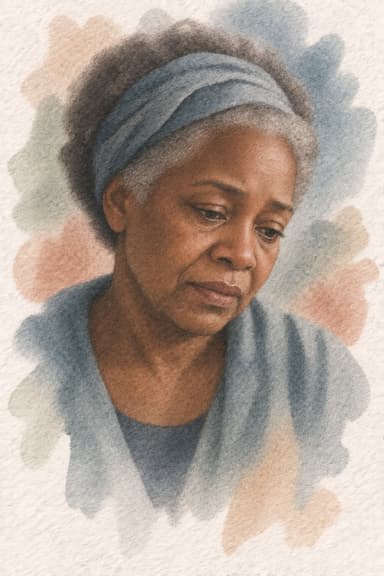


Open the deck to browse all 60 faces.
Who it's for
Where emotion cards earn their place
Therapists
Emotion-focused work, alexithymia, trauma-informed pacing. A client can point before they can explain — and nothing on the card tells them what to feel.
Teen & school counsellors
Teenagers who shut down at "how do you feel?" will often say "that one". Pointing is easier than performing.
For yourself
End the day with one face and a few written lines. Building an emotional vocabulary is a practice, not a test.
When to reach for it
What this deck helps with
Opening a session. "Which face is closest to how you're arriving?" gets past "fine" in seconds.
Building emotional vocabulary. Match the inside to a face, then find the word — three small steps from recognition to language.
Mixed feelings. The in-between faces give people permission to say "both".
Perspective-taking. One face for me, one for the other person — empathy without a lecture.
Anger that looks like something else. Explore what sits under irritation: hurt, fear, exhaustion.
Working with teens. Lower the pressure: no words to get right, just a face to point at.
Couples and families. Each person picks how a shared moment felt; compare before discussing.
Journaling. A daily face and one sentence builds a map of your own moods over weeks.
Questions to ask
Prompts for a face on the table
Example spreads
Three simple layouts
Short spreads work best with faces: fewer cards, longer looking.
Here and now
1 card
- 1How I feel right now
Mask and underneath
2 cards
- 1The face I show
- 2The feeling behind it
Now and wanted
3 cards
- 1How I feel now
- 2The smallest step
- 3How I'd like to feel

The artwork
Painted to be read, not decoded
Every face is an original watercolour portrait created for MindTrays — fictional people of every age, painted with care at the eyes and mouth while the edges dissolve into the paper. The softness is deliberate: it leaves room for the viewer's own reading.
No card carries a word, a caption or an emotion label. Cards render at 1024×1536, so the small movements of a face stay visible when a client zooms in.
How to work with it
Four steps, one feeling at a time
Pick a group — or all
Start with one family of feeling, or put all 60 faces out when you don't know yet.
Choose face up
Let the person browse and point. The first face they stop at matters.
Name it together
Ask what the face is feeling in their words. Resist offering yours.
Save what surfaced
Write the word you found. The spread saves with the session.
Questions
About emotion cards
What are emotion cards used for?
Are emotion cards only for children?
Why don't the cards say which emotion they show?
How many cards are in the deck?
Can I use the deck online?
Is this like Tarot?
Other decks
Also good for feelings work



Find the face for how you feel
Open MindTrays Faces & Expressions, put a few faces on the table and point to the one that fits. With a client online? Start a collaborative session and send them the link.
