
Mindtrays Where I Am Now
Connect with yourself in the moment — one card at a time, softly noticing your inner state
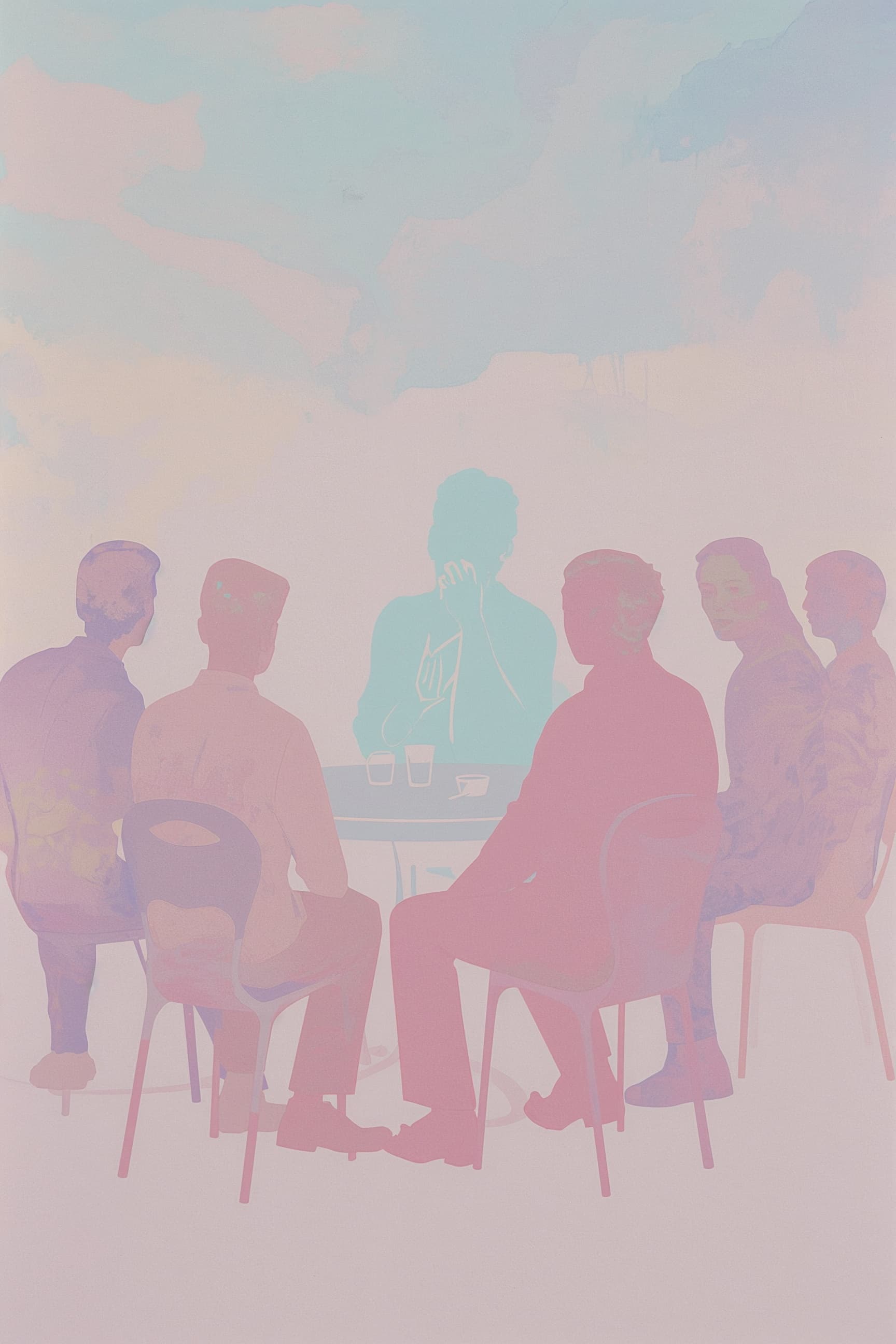
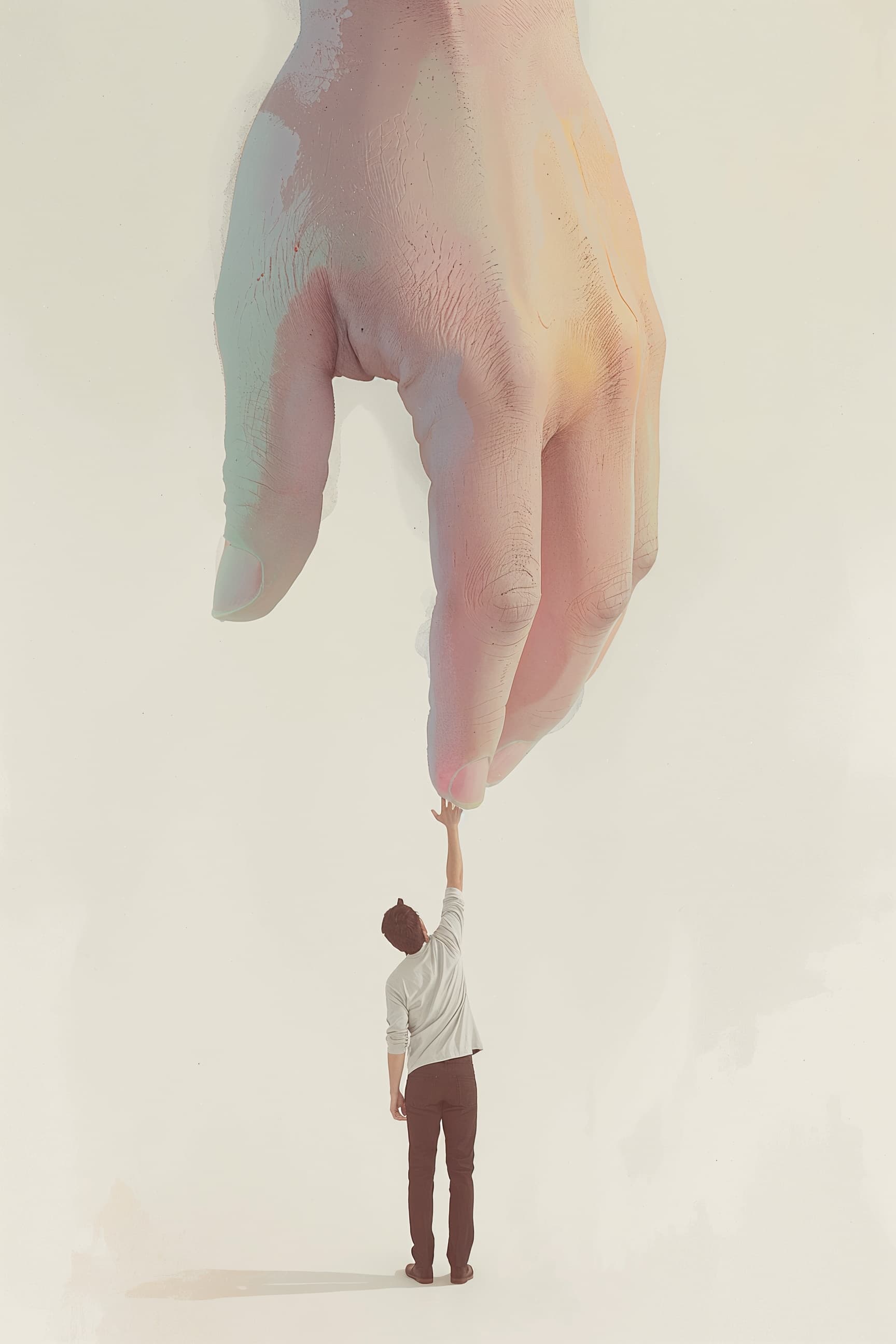

Where I Am Now is a 60-card check-in deck for the everyday life of young people. A crowded school corridor, a bench apart from the group, a text left unanswered, tea at the kitchen table, a quiet road out of town. Teenagers pick the scene that looks like their week — and say more through a picture than they would ever say to a direct question.
When to reach for it
Check-ins that go past "fine"
The start of a session. "Which card looks like your week?" works when "how are you?" doesn't.
School stress. Exams, homework piles, the empty classroom — pressure made visible.
Belonging and friendship. Fitting in, being left out, the friend who stopped texting.
Home life. Family tension or comfort shows up in the kitchen and living-room cards.
Social media and phones. Notifications, likes and screens are part of the picture — talk about them without judging.
Low mood and anxiety. Fog, an empty battery, a cracked silhouette: a way in for feelings that are hard to name.
Classroom and SEL sessions. A whole class can check in with cards in five minutes.
Parents and teens together. Each picks a card for the same week and compares.
The cards
Scenes from an ordinary week
Soft, faded colours and familiar places — school, home, friends, the road ahead.


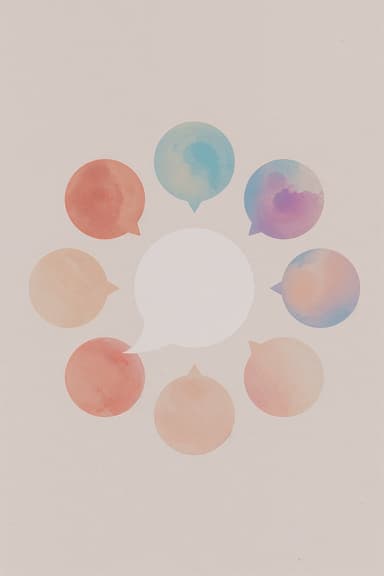

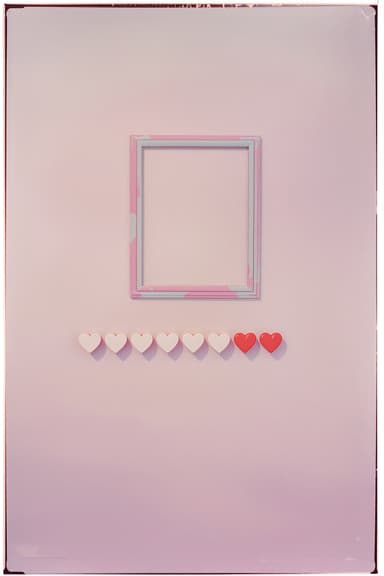




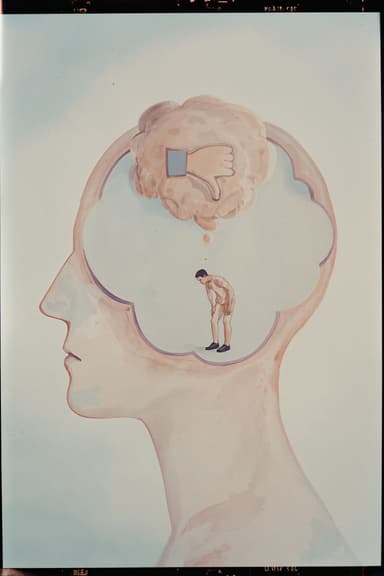





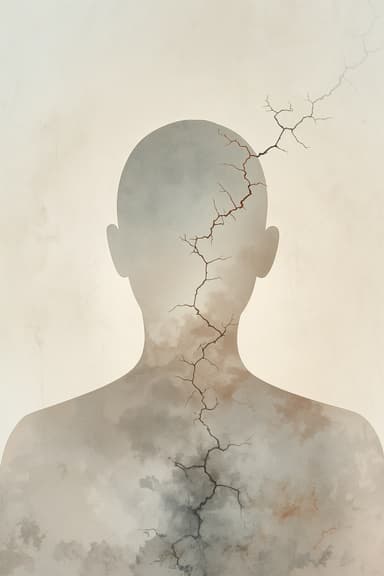
Open the deck to see all 60 scenes.
Questions to ask
Questions teens actually answer
What's inside
Six corners of a young person's life
Grouped by where life happens — so you can bring school, home or friendship to the table on purpose.
How to work with it
A check-in in four moves
Lay out a handful
Ten to fifteen cards face up is enough for a quick check-in; all 60 for a longer session.
Let them choose
One card for "where I am now". No explaining yet.
Ask about the picture
Talk about the card first, the person second. It lowers the stakes.
Save and compare
Keep the card with the session — next week's choice shows the change.
Who it's for
Made for work with young people
School counsellors
A fast, non-clinical way to open a conversation — in a one-to-one, a small group or a whole-class wellbeing lesson.
Teen therapists
Adolescents who shut down at questions will point at a picture. The scenes are close enough to their lives to feel real.
Parents & youth workers
Choose cards side by side for the same week. The differences start a conversation neither side would begin on their own.
Example spreads
Layouts for young people
Keep it short — two or three cards say plenty.
My week
3 cards
- 1At school
- 2At home
- 3With friends
Now and next
3 cards
- 1Where I am now
- 2What would help
- 3Where I'd like to be
Inside and outside
2 cards
- 1What people see
- 2What I feel

The artwork
Familiar places, softened
Every card is an original illustration made for MindTrays in faded pastels — like a memory of a school day rather than a photo of one. Faces stay small or turned away, so any teenager can step into the scene.
There are no words on the cards. Phones and notifications appear the way they appear in real life — as part of the picture, not as a lesson.
Questions
About this deck
What age is Where I Am Now for?
How many cards are in the deck?
Can I use it in a classroom?
Is it a therapy tool or a teaching tool?
Can I use it online?
Do I need training?
Other decks
More decks for young people



Start your next check-in with a picture
Open Mindtrays Where I Am Now , put a handful of scenes on the table and ask which one looks like this week. Online? Start a collaborative session and send the link.
