
Mindtrays Textures & Abstractions
Mindtrays Textures & Abstractions is a deck of richly varied abstract surfaces that helps you explore emotion and meaning through shifts in color, depth, and tactile atmosphere.
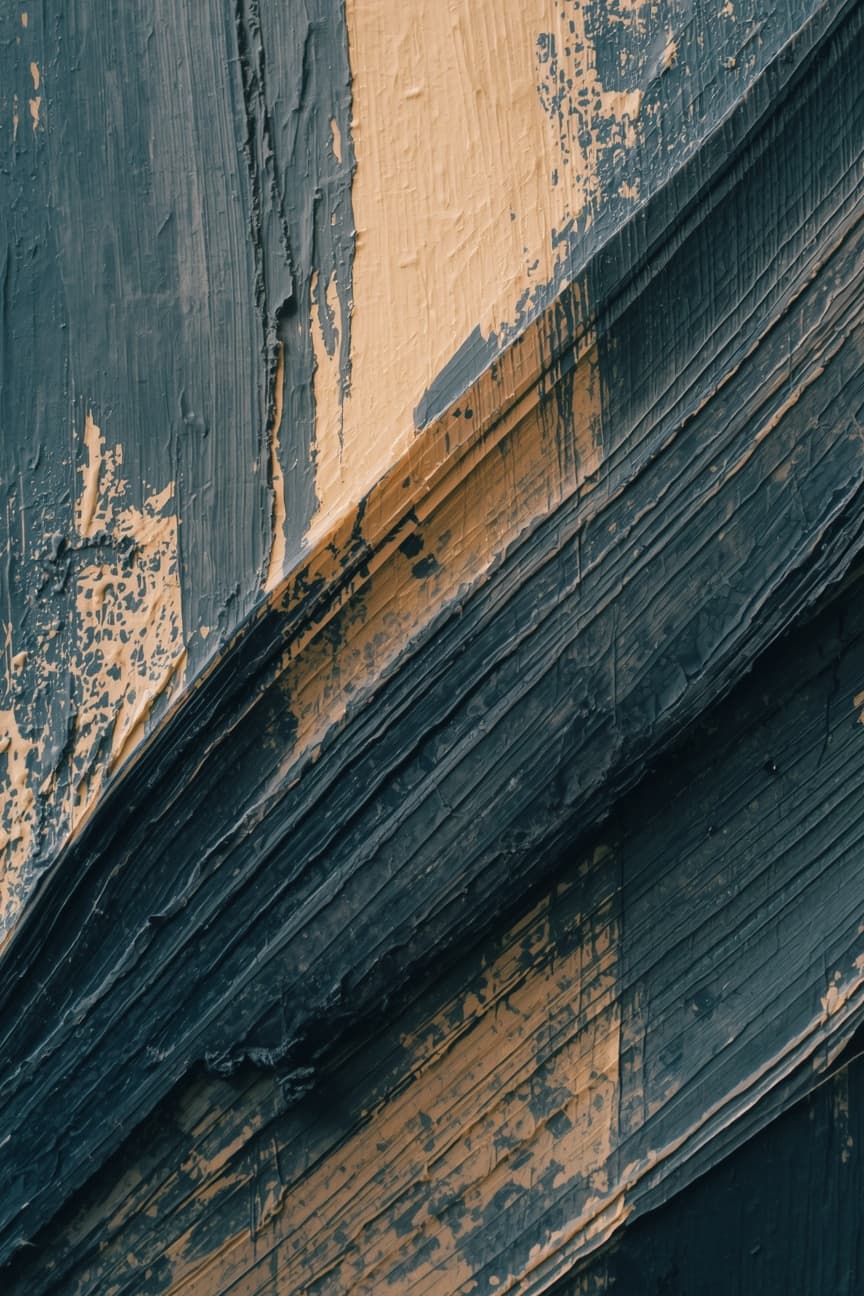
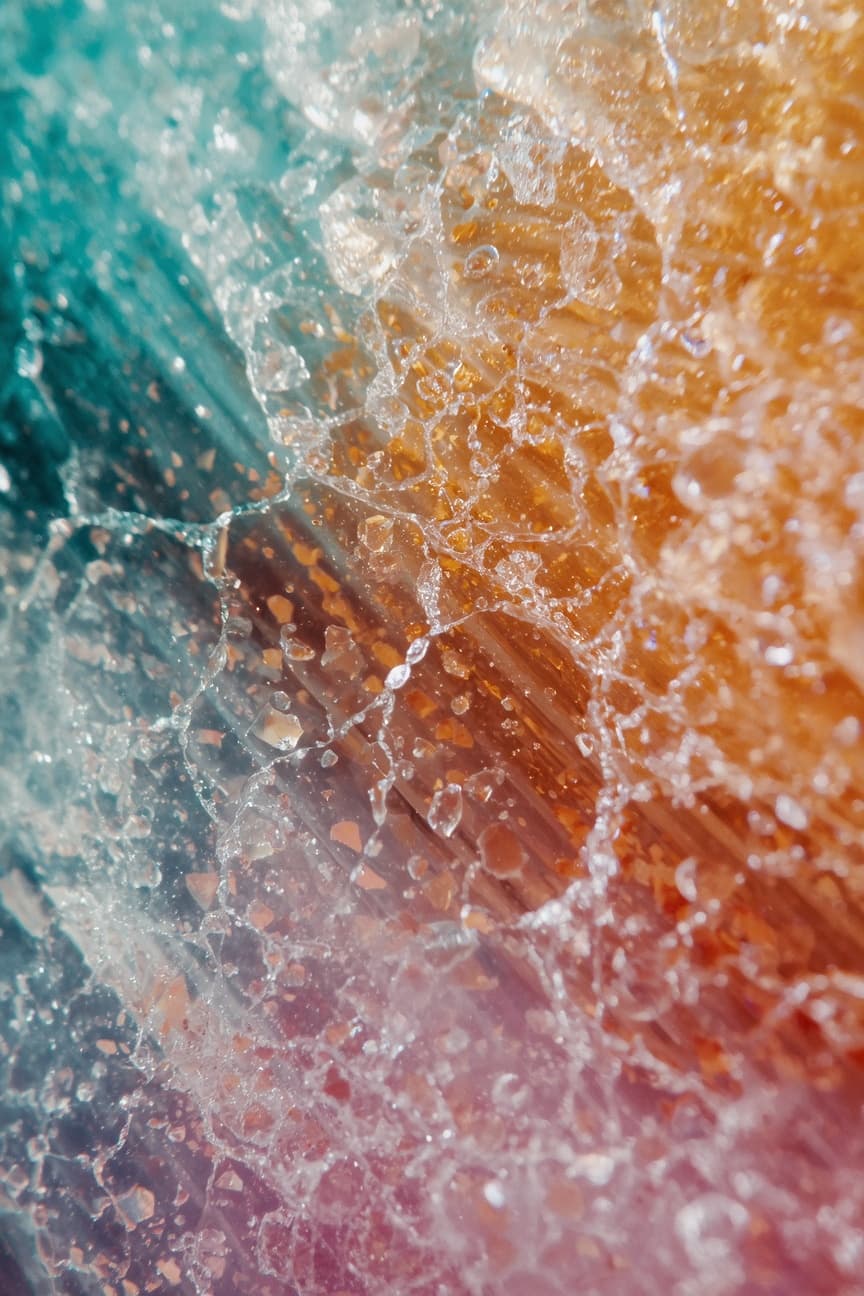
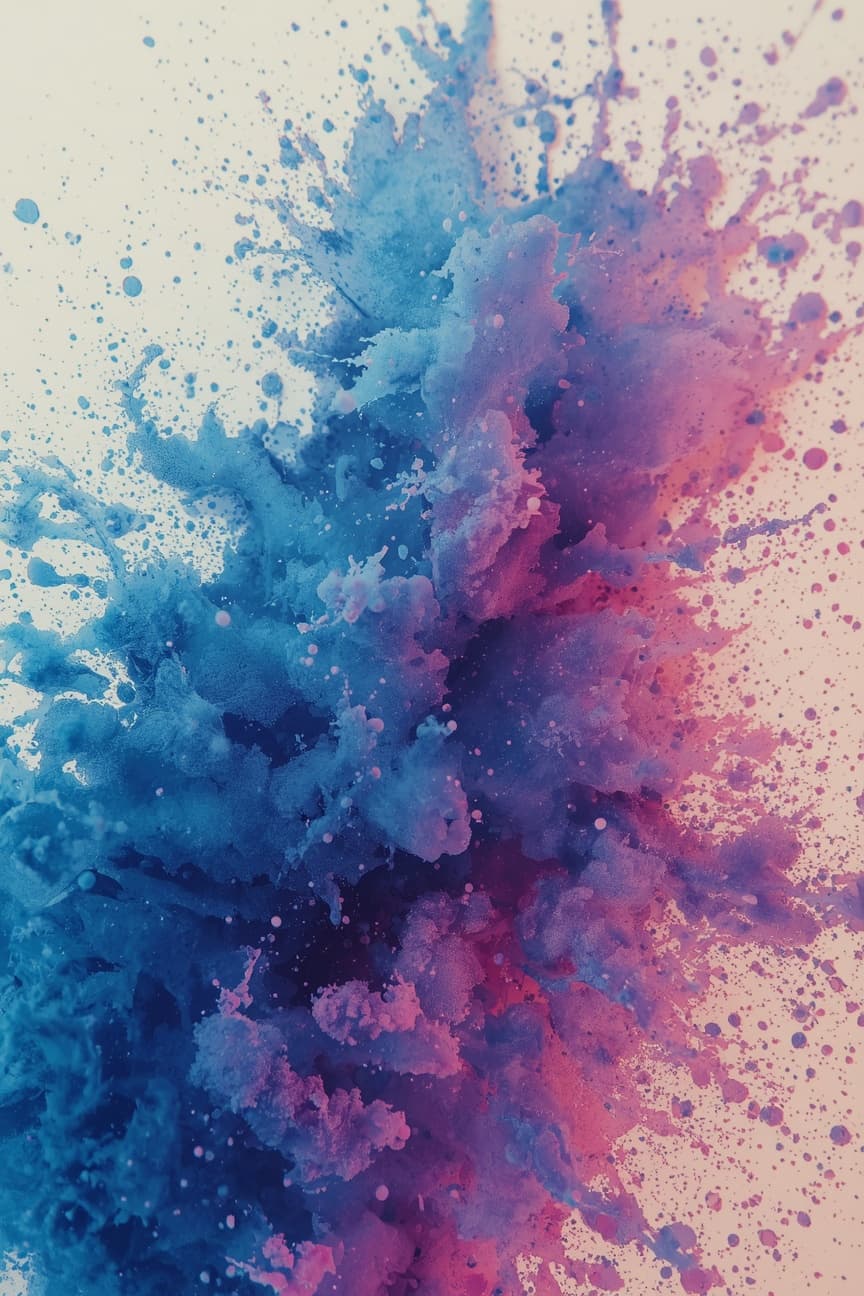
Textures & Abstractions is a 50-card deck with nothing recognisable on it — on purpose. Cracked earth, drifting ink, molten light, woven thread: close-up surfaces that carry mood without a story. With no objects to name, people respond to colour, weight and movement first, which makes the deck a gentle way into feelings that have no words yet.
The artwork
Surfaces you can almost touch
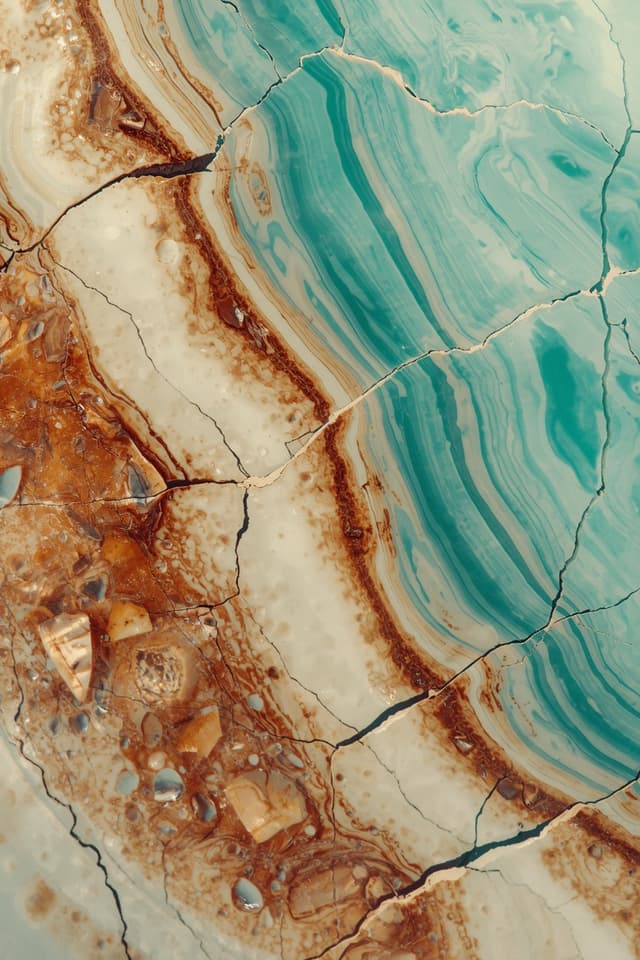
Every card is an original close-up image created for MindTrays — stone, sand, silk, smoke, lava, glass — cropped so tightly that no object remains, only texture. Colour and grain do the talking.
Abstract images are among the most open projective material there is: two people will rarely see the same thing in the same card, and that is the point.
The cards
No subject, only sensation
Rough or smooth, heavy or light, calm or burning — choose by feel, not by meaning.
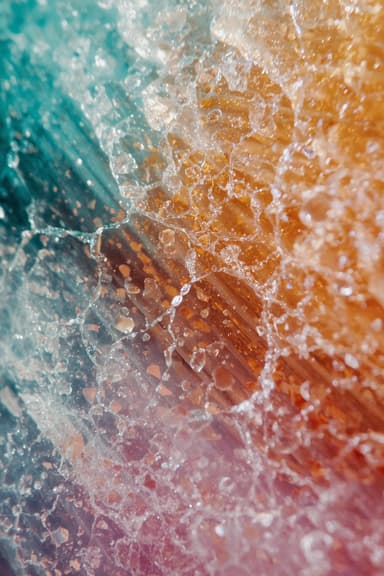
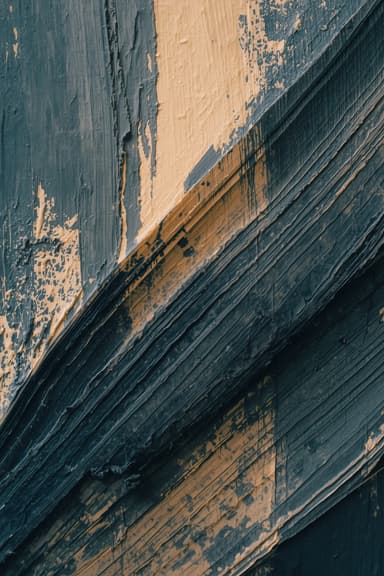
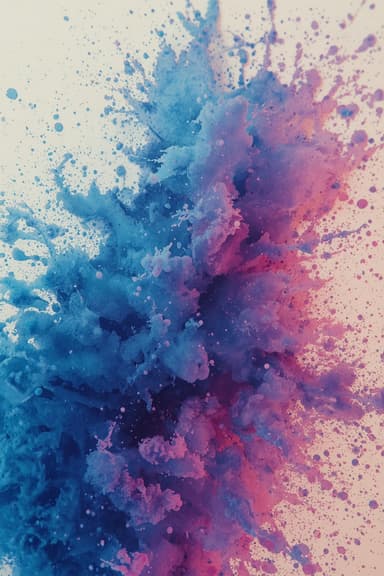
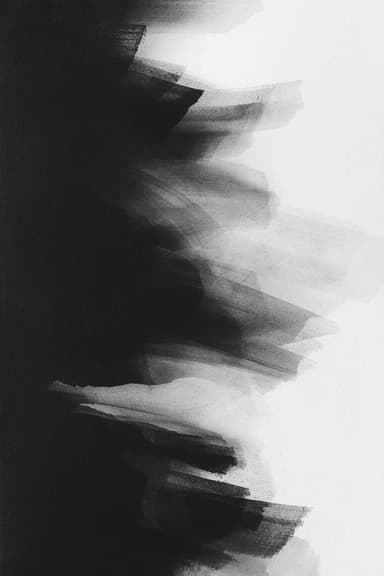
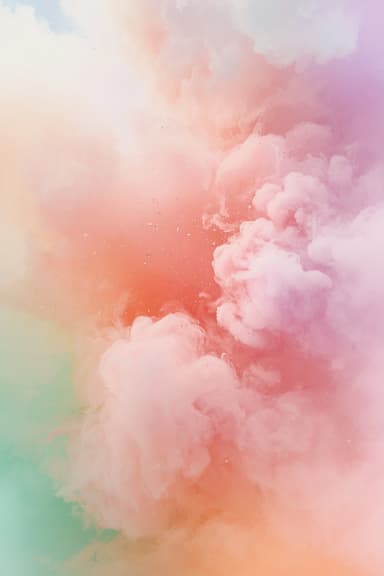

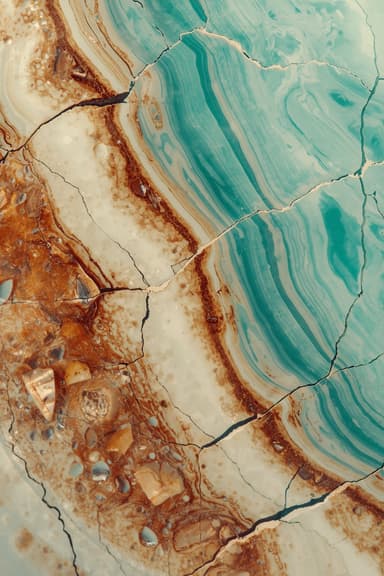
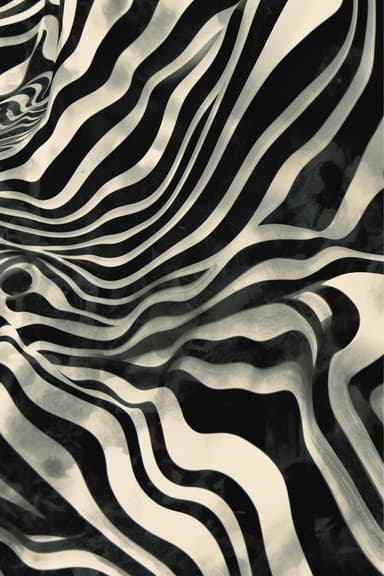
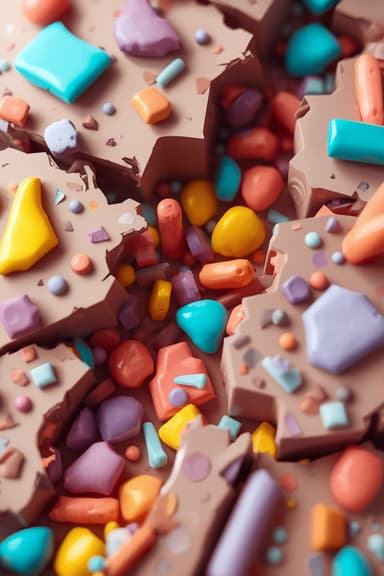
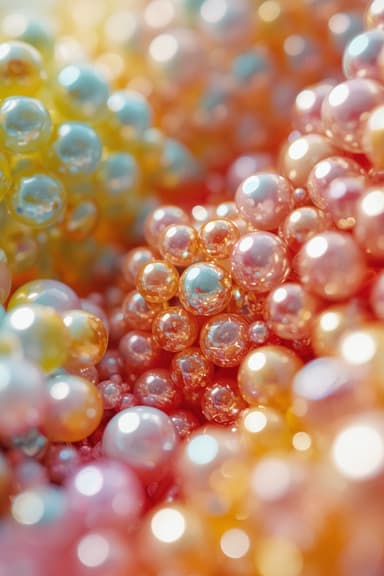
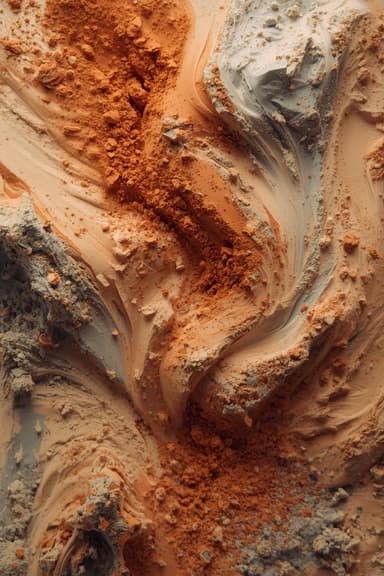
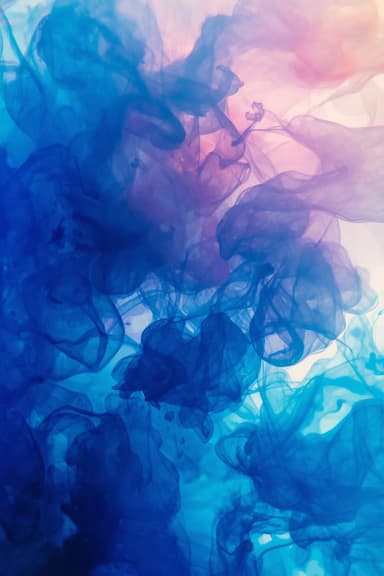
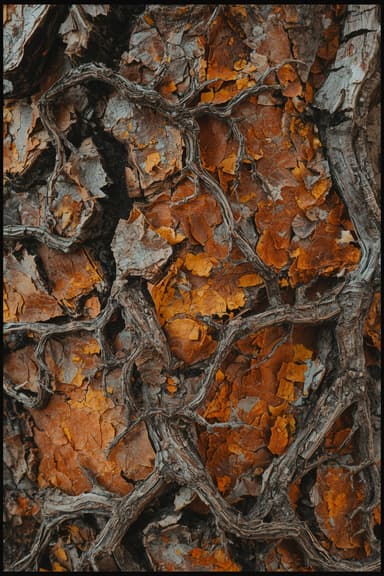
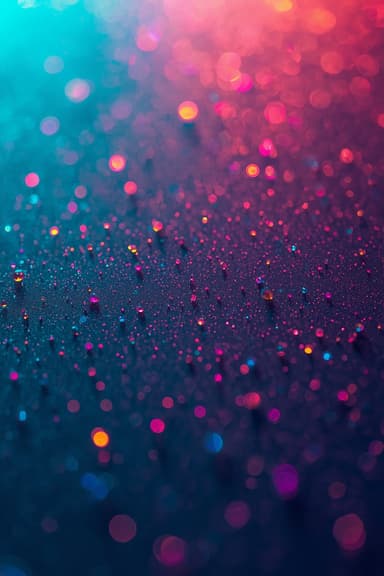
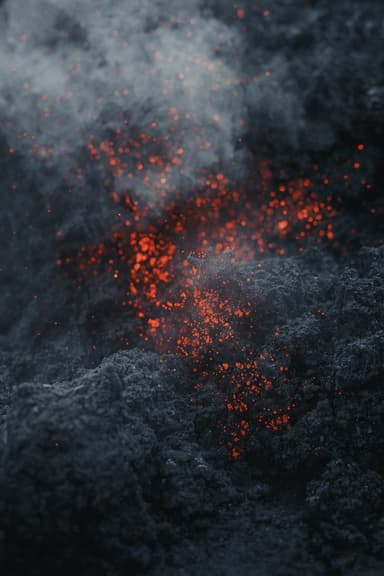
Open the deck to see all 50 surfaces.
What's inside
50 surfaces in four moods
Grouped by how they feel rather than what they are.
When to reach for it
When words get in the way
Feelings without names. Pick the texture that matches the inside; describe it before trying to label it.
Body-focused work. Rough, smooth, hot, cold — textures connect to sensation quickly.
Clients who over-explain. With no story on the card, there is nothing to analyse, only something to notice.
Art therapy warm-ups. Choose a surface, then draw or paint what it would look like zoomed out.
Grief and heaviness. Weight, grain and darkness give form to what feels formless.
Creative blocks. An abstract card is a prompt that can't be wrong.
Group check-ins. Everyone picks a texture for their week — fast, honest, low exposure.
Mood tracking. One texture a day shows patterns a journal of words can miss.
Questions to ask
Prompts for an abstract card
Example spreads
Spreads built on sensation
Short layouts keep attention on feeling rather than interpretation.
Weather inside
2 cards
- 1What I feel on the surface
- 2What I feel underneath
From here to there
3 cards
- 1The texture of now
- 2What softens it
- 3The texture I want
Body map
5 cards
- 1Head
- 2Chest
- 3Belly
- 4Hands
- 5Feet
Who it's for
Three ways people use it
Art therapists
A bridge between looking and making. Clients choose a texture, then extend it into their own drawing or painting.
Therapists & counsellors
For alexithymia, somatic work and clients who intellectualise. Nothing to decode — only something to feel.
For yourself
A daily texture pull and one line of description. Over time the colours tell you how you've been.
Questions
About this deck
Why use abstract cards instead of pictures?
How many cards are in the deck?
Is it suitable for art therapy?
Can I use it online?
Does a dark card mean something negative?
Do I need training?
Other decks
When you want images with a story

Choose by feel, not by meaning
Open Mindtrays Textures & Abstractions, spread out a handful of textures and notice which one you'd reach for first. Working remotely? Start a collaborative session and send the link.
