
MindTrays Still Hours
48 wordless cards about rest and recovery: empty benches, still water, a cup of tea by the window, a sleeping cat, settled sand in an hourglass. Soft dry pastel in lavender and grey-blue. For burnout and resilience coaching, therapy and self-reflection — a way to talk about stopping, slowing down and what restores you.
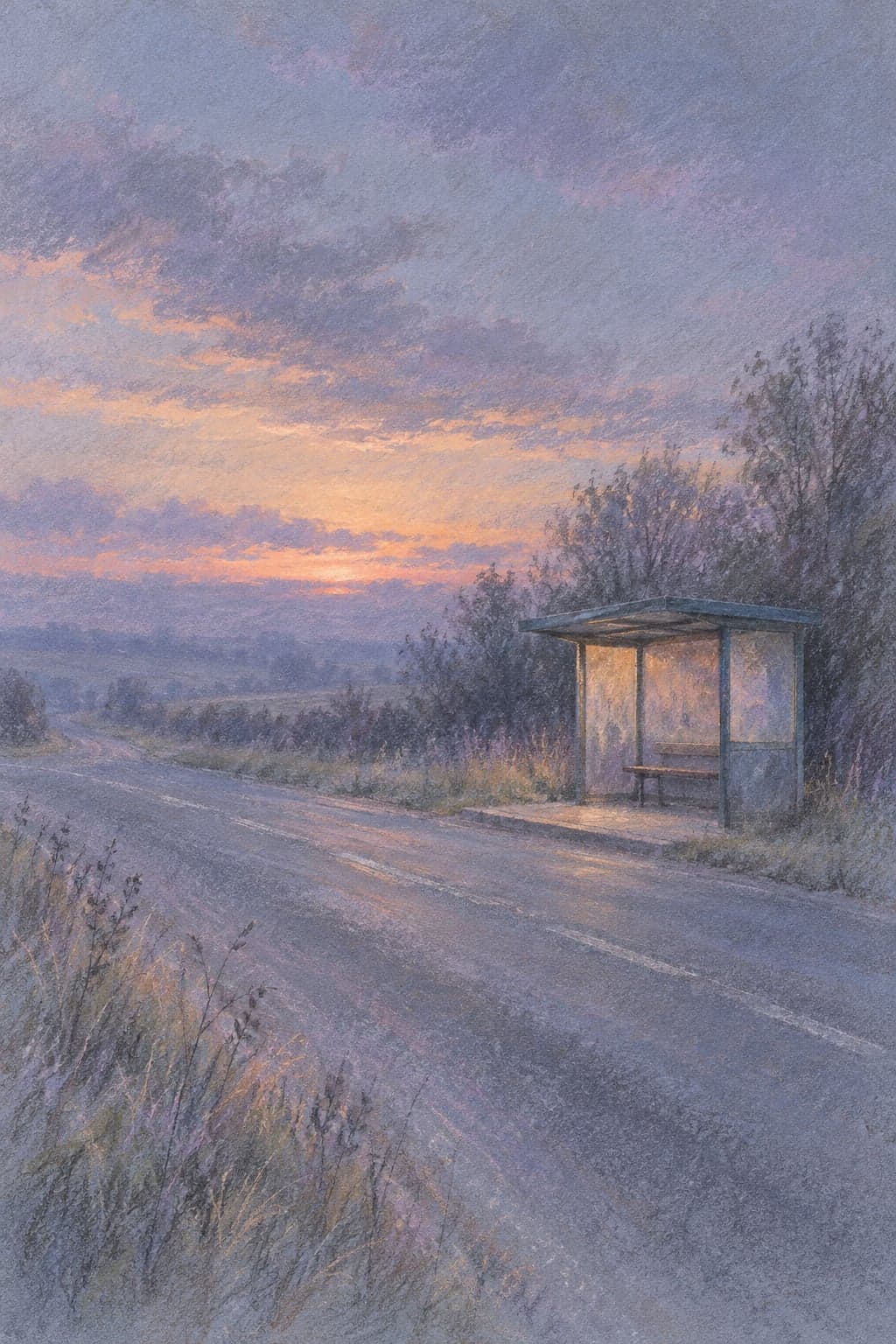


Still Hours is a 48-card deck about rest, stopping and recovery. An empty bench in the mist, a still pond, tea steaming by a rainy window, a cat asleep in the sun, sand that has stopped running in an hourglass — quiet moments drawn in soft lavender and grey-blue pastel. No words and no people on the cards: clients pick the pause they need, and the conversation turns from "how do I do more" to "what actually restores me".
Before you start
Rest is not a reward
This deck does not test anyone for burnout and does not diagnose. It is a conversation tool: the cards make it easier to say what tiredness feels like and what kind of rest is missing — before it turns into exhaustion.
Who it's for
For people who help others slow down
Burnout & resilience coaches
Give clients a picture of rest before you plan it. The card a person reaches for often says more than "I'm fine, just busy".
Therapists & group facilitators
Wellbeing groups, teams after a crunch, caregivers: each person picks a card for the pause they never take, and the room gets quieter.
For yourself
Draw one card at the end of the day. Ask what kind of stopping it shows — and whether you had any of it today.
The cards
Forty-eight quiet moments
Benches, still water, soft rooms, resting animals, slow light and moving air — each card one calm scene with space around it.

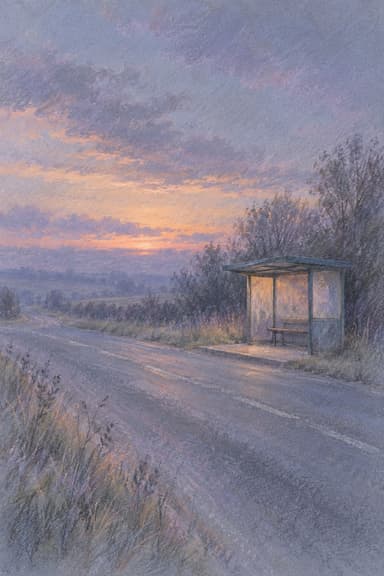

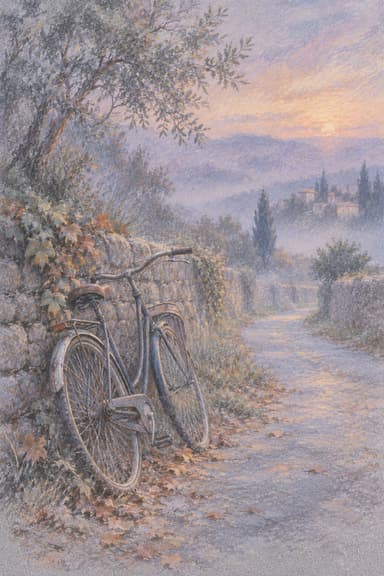
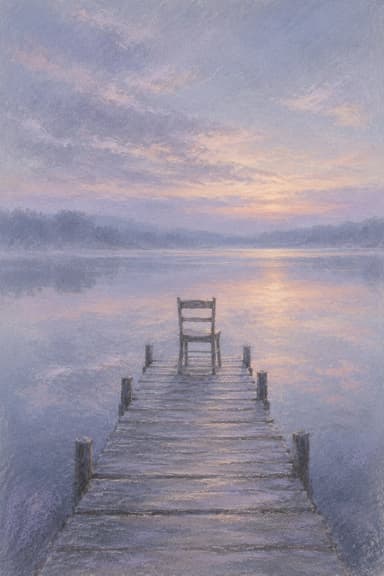

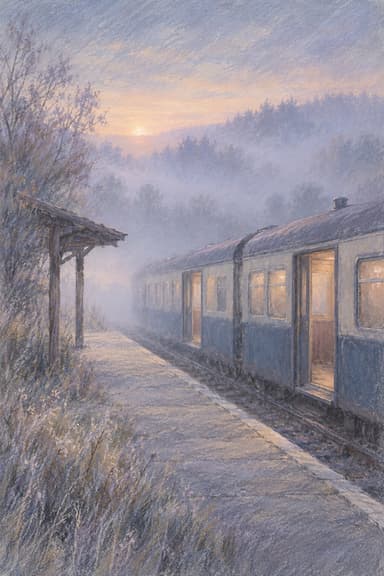
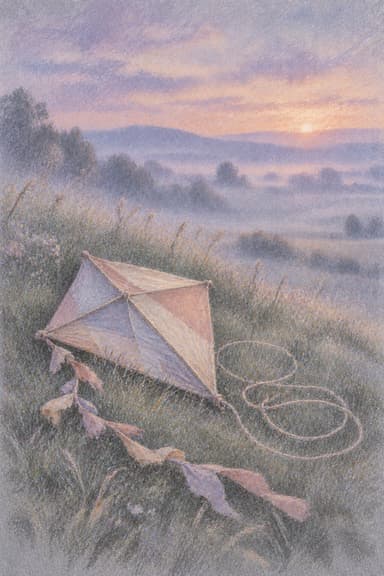







Open the deck to see all 48 and lay out the ones for your session.
What's inside
48 cards in six kinds of pause
Use one group to set a theme — stopping, home, breath — or mix them to find which kind of rest is missing.
Questions to ask
Prompts for slowing down
Three cards up close
Each one a different kind of stopping

The empty bench
Who is this seat waiting for — and when did you last let it be you?
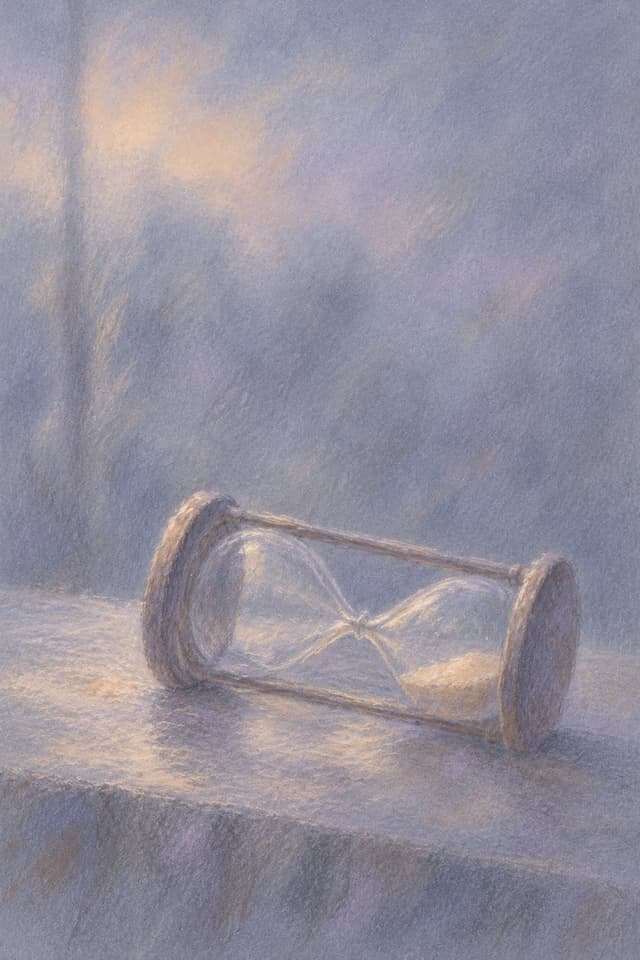
Sand at rest
What would change if time stopped counting for an hour?
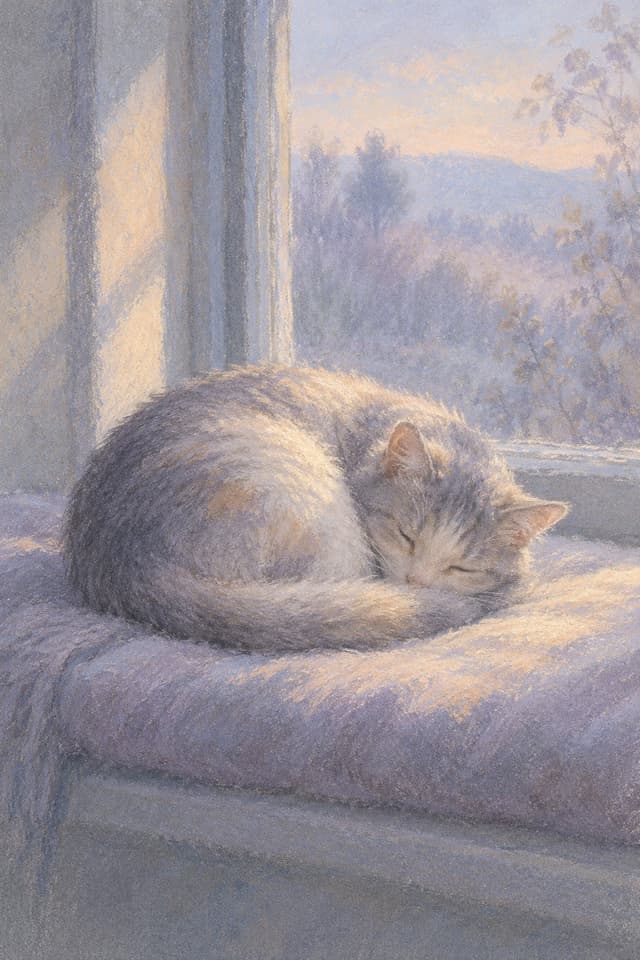
The sleeping cat
What does rest look like when nobody has to earn it?
When to reach for it
Sessions this deck was made for
Early signs of burnout. Before scales and checklists, ask for the card that feels furthest from today. The distance is the topic.
"I can't switch off." Lay out the Still Water and Breath cards and let the client find the one their evenings are missing.
Recovery after illness or a crisis. Slow Time cards help talk about pace when "back to normal" is still far away.
Caregivers and helpers. People who look after others pick the pause they keep giving away — and one they could keep.
Teams after a crunch. Each person places a card for how the last month felt and one for what would restore them.
Planning a sabbatical or leave. Sort the cards into rest you already have and rest you want; the second pile is the plan.
Sleep and evening routines. Home & Comfort cards turn a vague wish for better evenings into concrete small rituals.
Journaling. Draw one card at night: where was the still hour in today?
Example spreads
Three layouts for a pause
The positions shape the conversation; what each card means is still the client's to say.
Running, stopping, resting
3 cards
- 1How I am moving now
- 2What would make me stop
- 3What rest would look like
The rest map
4 cards
- 1Rest I have
- 2Rest I need
- 3What takes it away
- 4What protects it
One gentle day
5 cards
- 1Morning
- 2Midday
- 3Evening
- 4Night
- 5What I carry into tomorrow

The artwork
Drawn slowly, to be looked at slowly
Every card is original artwork created for MindTrays in soft dry pastel on toned grey-blue paper: chalky strokes blended into haze, the grain of the paper showing through, a quiet palette of lavender, slate, periwinkle and cream.
Low contrast and lots of empty space are deliberate. The pictures lower the pace of the room — a client can rest their eyes on a card before they find the words.
Cards render at 1024×1536, clear enough for shared screens in online sessions.
How to work with it
A session in four moves
Notice the pace
Ask how the last weeks have felt. No cards yet — just the speed.
Choose a pause
Spread the cards face up and ask for the one that looks most like the rest the person is missing.
Find what stops it
Add a card for what usually interrupts that pause. The pair is the conversation.
Plan one still hour
Agree on one small, real pause for this week. The spread saves with the session for next time.
Questions
About this deck
How many cards are in Still Hours?
How can cards help with burnout coaching?
Is this a diagnostic tool for burnout?
Why are there no people on the cards?
Is this a tarot or oracle deck?
Can I use it in online sessions?
Other decks
Works well alongside



Make room for a still hour
Open MindTrays Still Hours, ask for the card that shows the rest that's missing, and start there. Working remotely? Start a collaborative session and send the link.
