
MindTrays Slow Ripening
52 metaphor cards about natural processes — seeds sprouting, buds unfurling, cocoons, thaw, first light, tides and quiet renewal — drawn as hand-coloured antique naturalist engravings. No words, no people: a coaching tool for change that takes its own time, for clients who want to talk about where they are in a process rather than where they should already be.
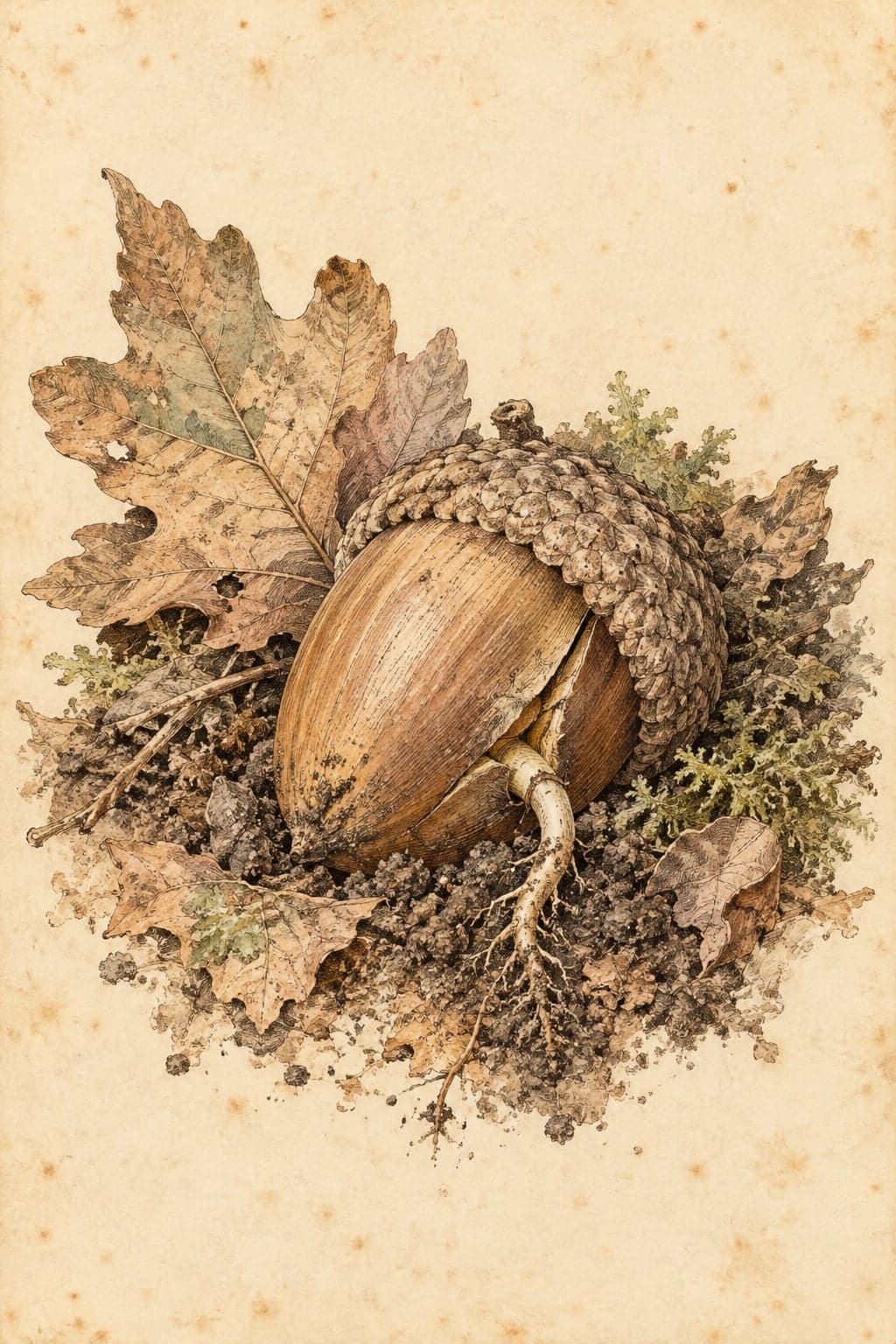
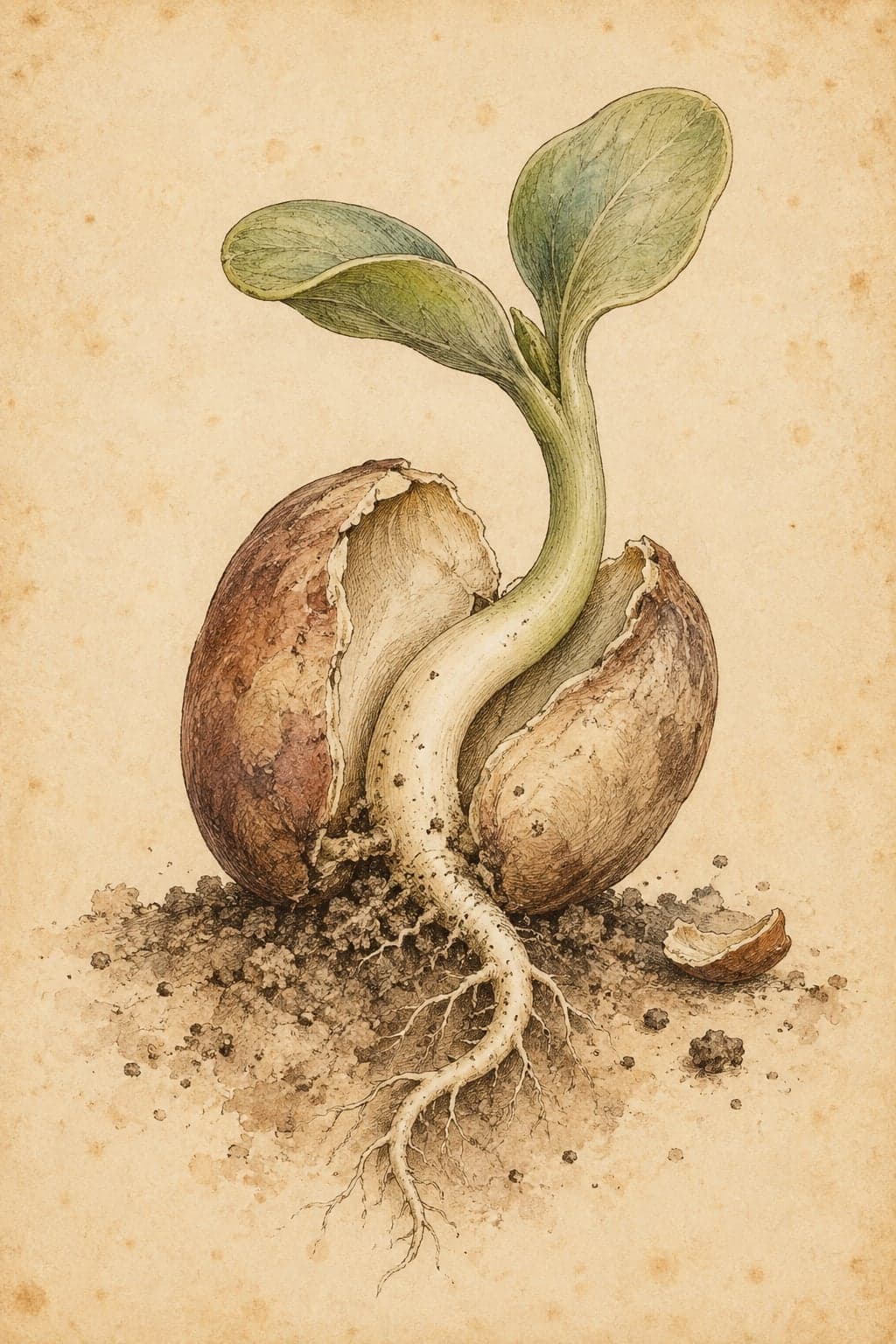
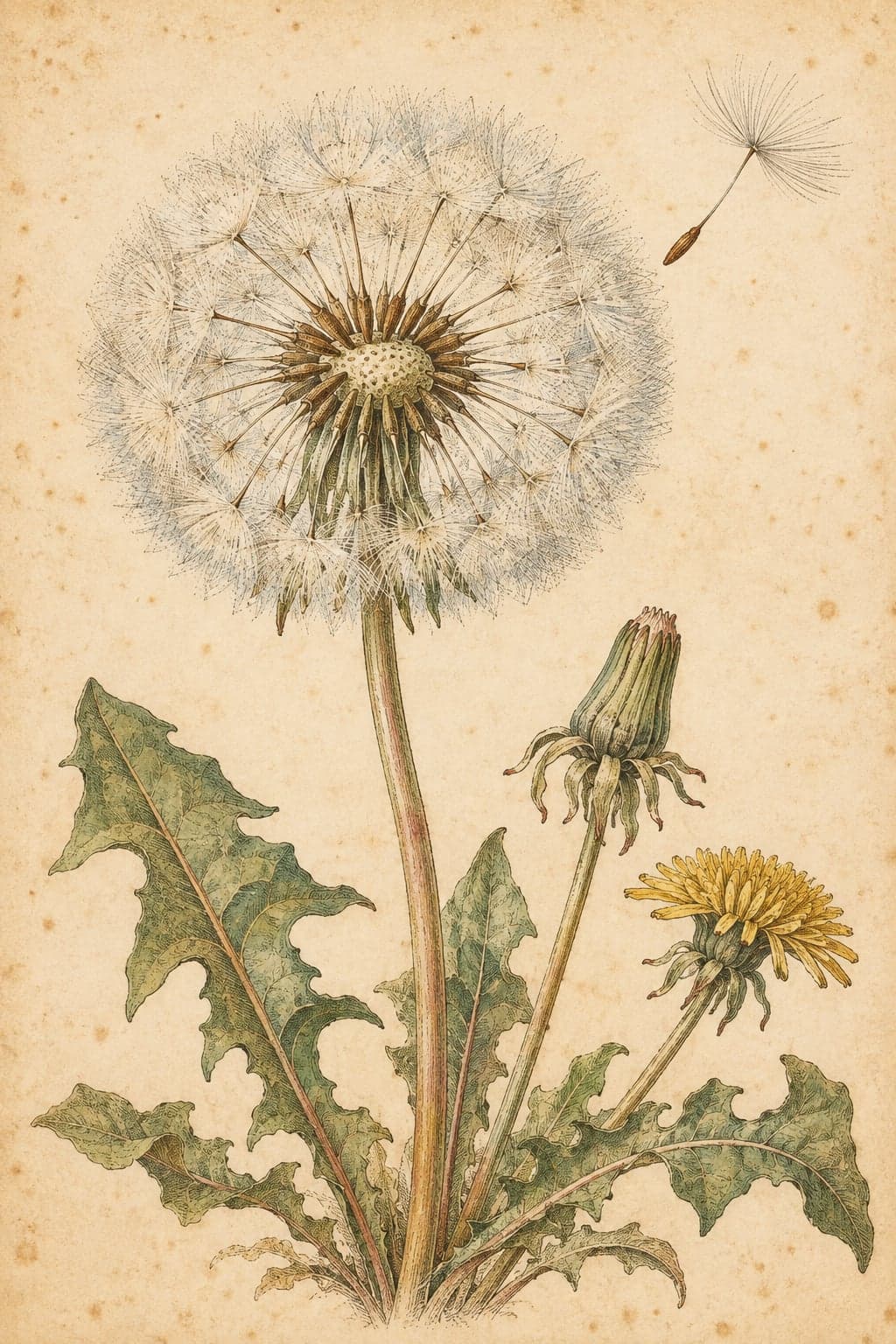
Slow Ripening is a 52-card coaching deck about change that takes its own time. A seed splitting open, a fern uncoiling, a butterfly still wet from the chrysalis, a stream thawing, the tide coming in — natural processes drawn as antique naturalist engravings. No words and no people on the cards: the client picks the stage that feels like now and talks about the process, not about how far behind they think they are.
Why this deck
For the middle of a change, not the finish line
Every card is a stage
A bud is not a failed flower. Nature shows that being halfway is a real place — and clients can stand in it without apology.
Process before outcome
Goals ask where you want to be. These cards ask what is already moving, what is still frozen, and what needs another season.
Quiet to look at
Fine line, soft washes and lots of empty paper. Calm enough for slow sessions, transitions and the silence before an answer.
The cards
Specimens of change
Each card is drawn like a plate from an old natural-history book: one living thing, observed carefully, at one moment of becoming.


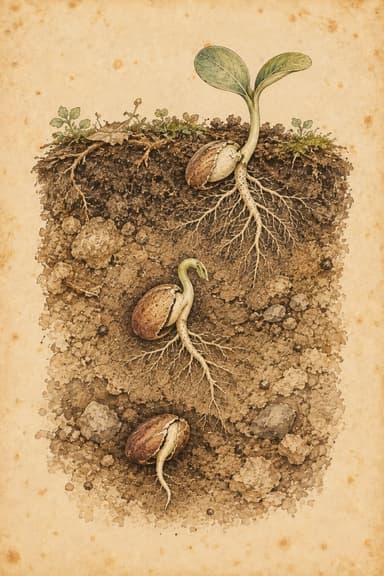


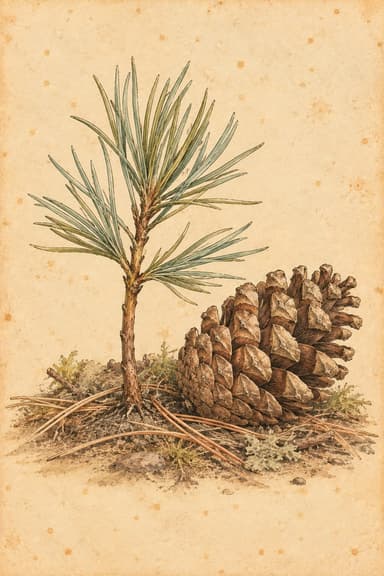
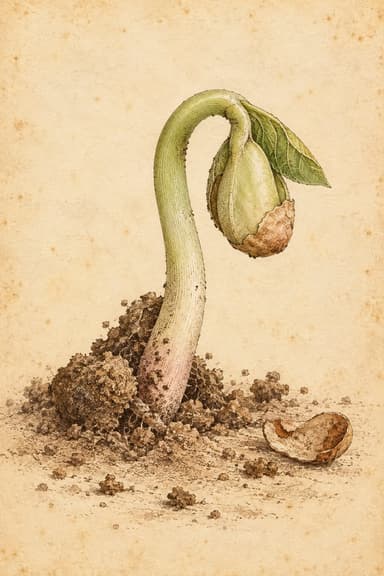


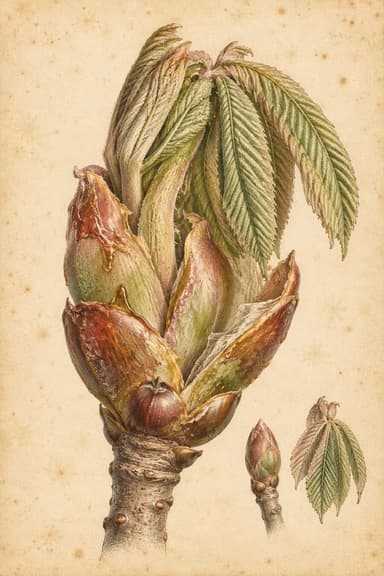



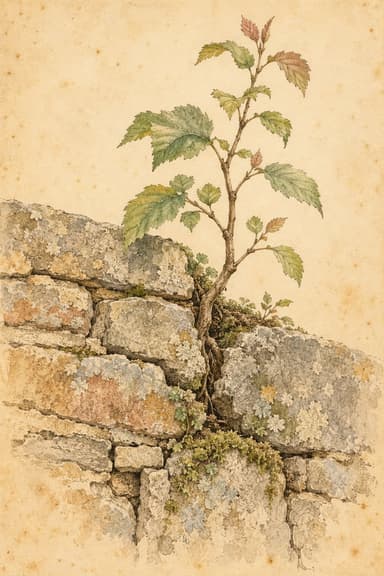
Open the deck to see all 52 and choose the ones for your session.
When to reach for it
Sessions this deck was made for
A transition nobody chose. Redundancy, a move, a breakup: find the season the client is actually in before planning the next one.
Stuck on a goal. Ask which card shows the goal right now — seed, bud or frozen stream — and what it needs to move.
Impatience with progress. Lay out three stages of one process and let the client see the steps already taken.
Endings and letting go. The falling leaf with the new bud behind it opens a conversation about loss without rushing to the bright side.
Career and life reviews. One card per chapter of the last ten years; the pattern of growth is often clearer as pictures.
Team change. Each person picks the card for where the team is in a reorganisation — the spread shows who is still in winter.
Burnout recovery. Thaw and tide cards give words to slow return, when 'better' arrives in drips.
Journaling. Draw one card in the morning: what in your life is ripening slowly, out of sight?
What's inside
52 cards in seven natural processes
The groups let you set a theme — beginnings, transformation, letting go. Mixing them shows the whole cycle at once.
Example spreads
Three layouts for a process
The positions guide the conversation. What each card means is still the client's to say.
Where am I in it
3 cards
- 1What has already happened
- 2Where I am now
- 3What is still to come
Thaw
4 cards
- 1What is still frozen
- 2What has started to melt
- 3What will help it move
- 4What I will not rush
One season
5 cards
- 1What I plant
- 2What I tend
- 3What I harvest
- 4What I let fall
- 5What rests
Three cards up close
Each one a moment, not an outcome
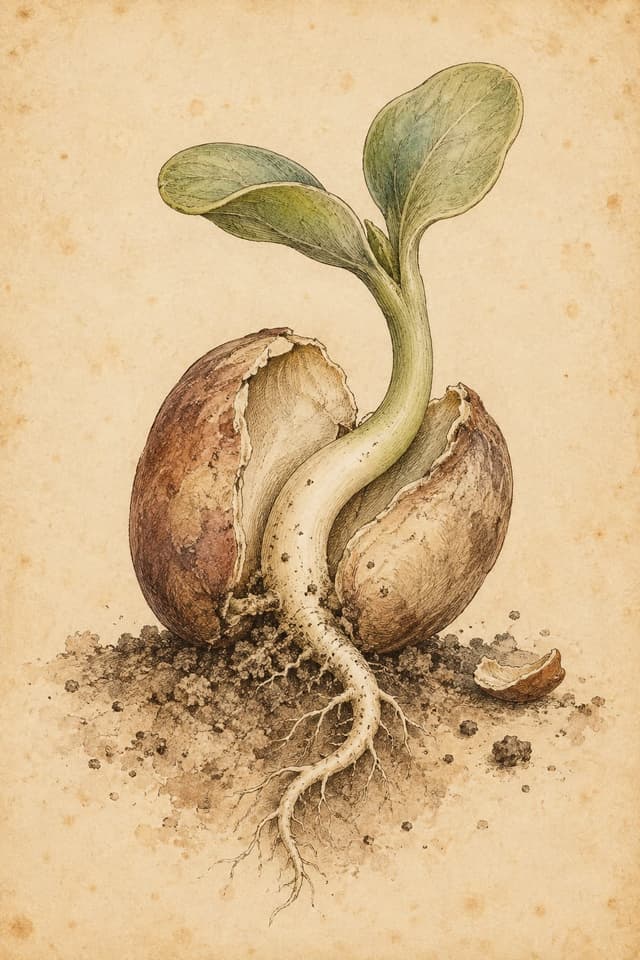
The split seed
What had to break open before anything could grow?

Wet wings
What are you not ready to fly with yet — and what would help it dry?
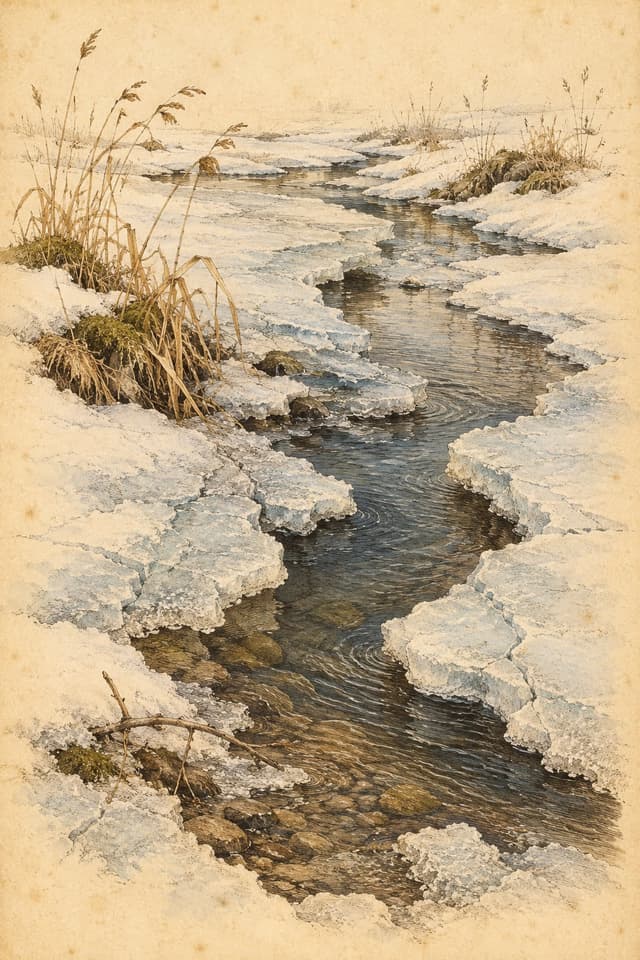
The opening stream
Where has the ice already begun to move, even if nobody else can see it?
How to work with it
A session in four moves
Name the process
A career change, a recovery, a team reorganisation. Keep it to one process per spread.
Find the now
Spread the cards face up and ask for the one that shows where the process is today — not where it should be.
Look before and after
Add a card for what came before and one for what comes next. The gap between them is the work.
Write the next small step
Note one thing the client will tend this week. The spread saves with the session for next time.
Questions to ask
Prompts for slow change
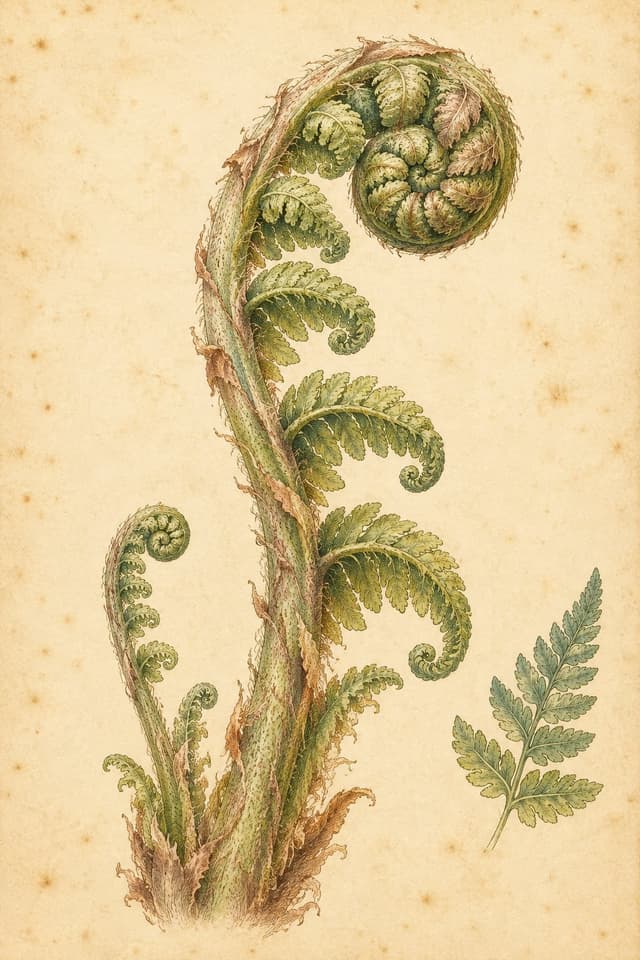
The artwork
Observed like a naturalist would
Every card is original artwork created for MindTrays in the manner of an antique natural-history plate: fine etched line, cross-hatching and stippling, with thin hand-applied washes of moss, ochre, dusty rose and pale blue on aged ivory paper.
The careful, unhurried drawing is the point. It invites the same attention to a client's own process — looking closely at what is actually growing, instead of measuring it against a deadline.
Cards render at 1024×1536, sharp enough to zoom into a root hair or a drop of dew on a shared screen.
Who it's for
For people who work with change
Coaches
Life, career and transition coaches use it when the plan is clear but the person is not ready yet — and to make that a topic rather than a failure.
Process & group facilitators
Teams going through a change can show where they are without naming who is resisting. The cycle is visible on one desk.
For yourself
A gentle way to check in on a long change — recovery, grief, a new role. Draw a card and ask what is ripening slowly.
Questions
About this deck
How many cards are in Slow Ripening?
How do coaches use nature metaphor cards?
Why are there no people on the cards?
Is this a tarot or oracle deck?
Can I use it in online sessions?
Do I need training to use it?
Other decks
Works well alongside



Give the change its season
Open MindTrays Slow Ripening, ask for the card that shows where things are now, and start the conversation from there. Coaching remotely? Start a collaborative session and send the link.
