
MindTrays Quiet Signs
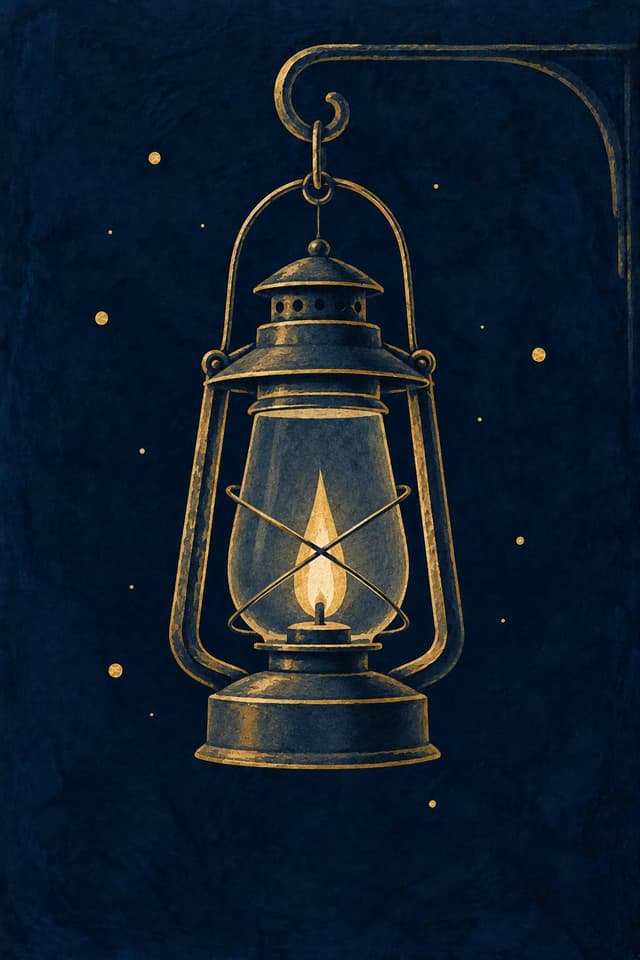
55 wordless symbol cards painted in flat gouache with fine gold line on midnight blue: key, well, labyrinth, bridge, lantern, hourglass, mended bowl. Universal images with no fixed meaning — the client finds their own. For Jungian and depth-oriented therapy, dream work, coaching and self-reflection. No religious or occult symbols, no text — one deck for every language.
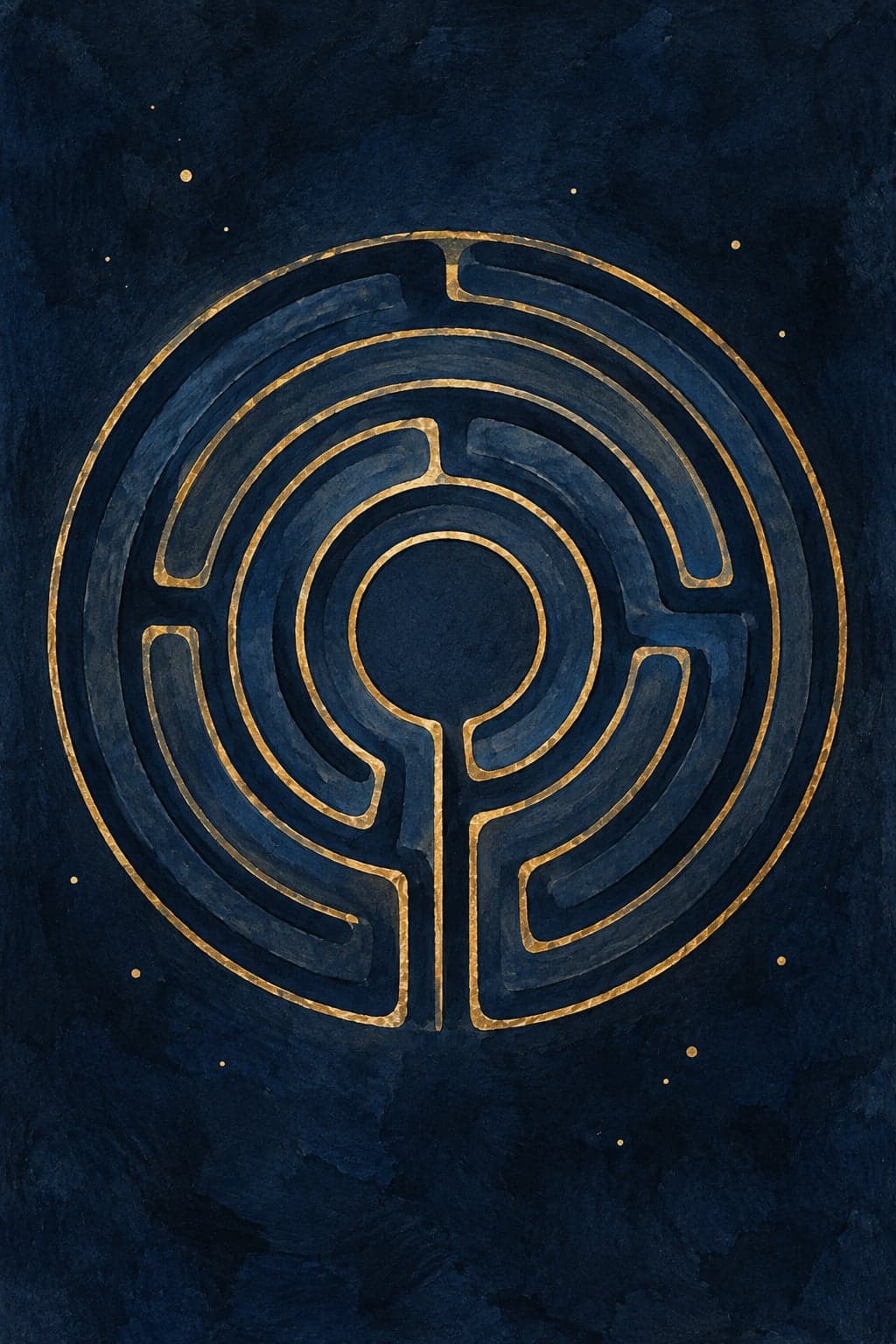
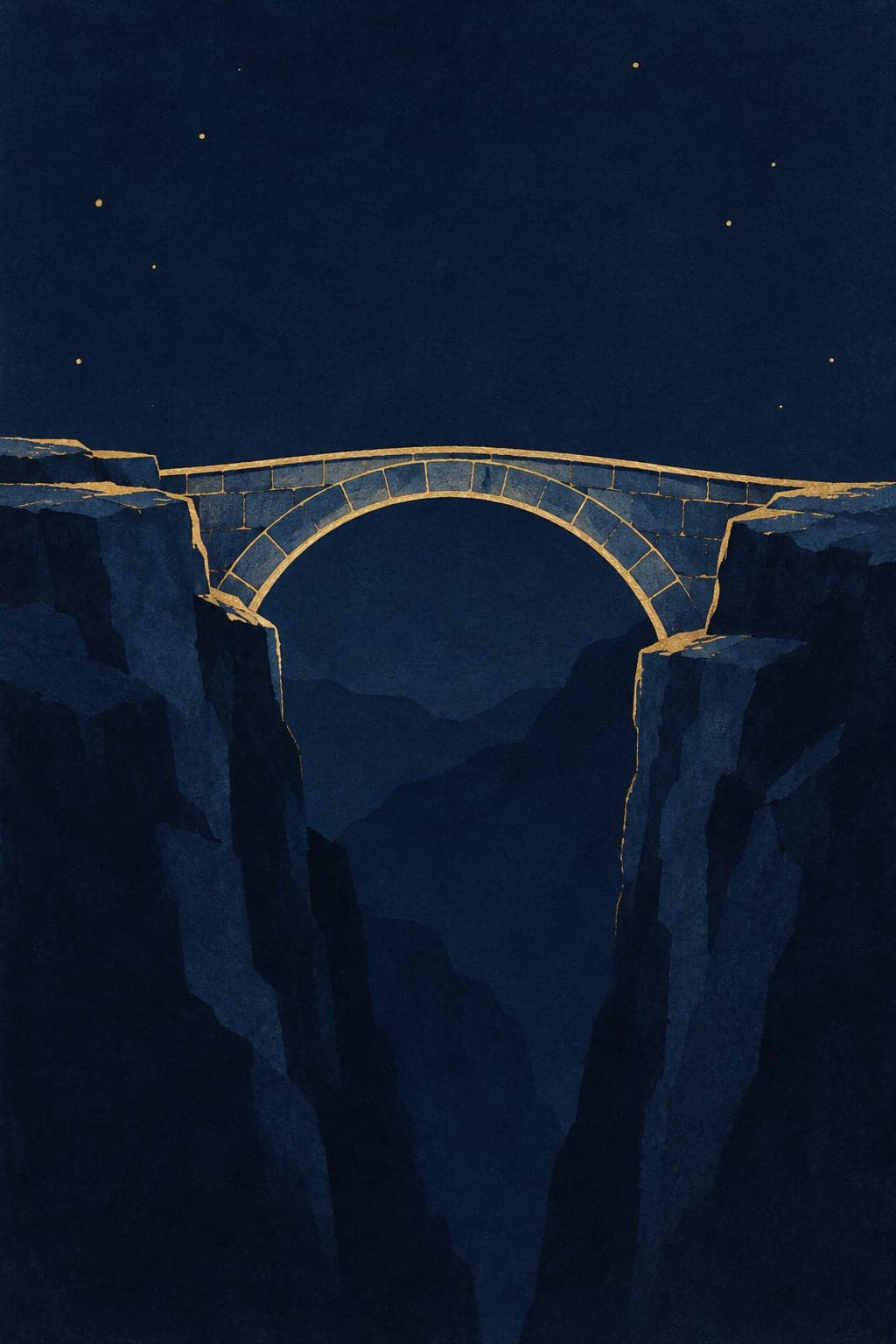
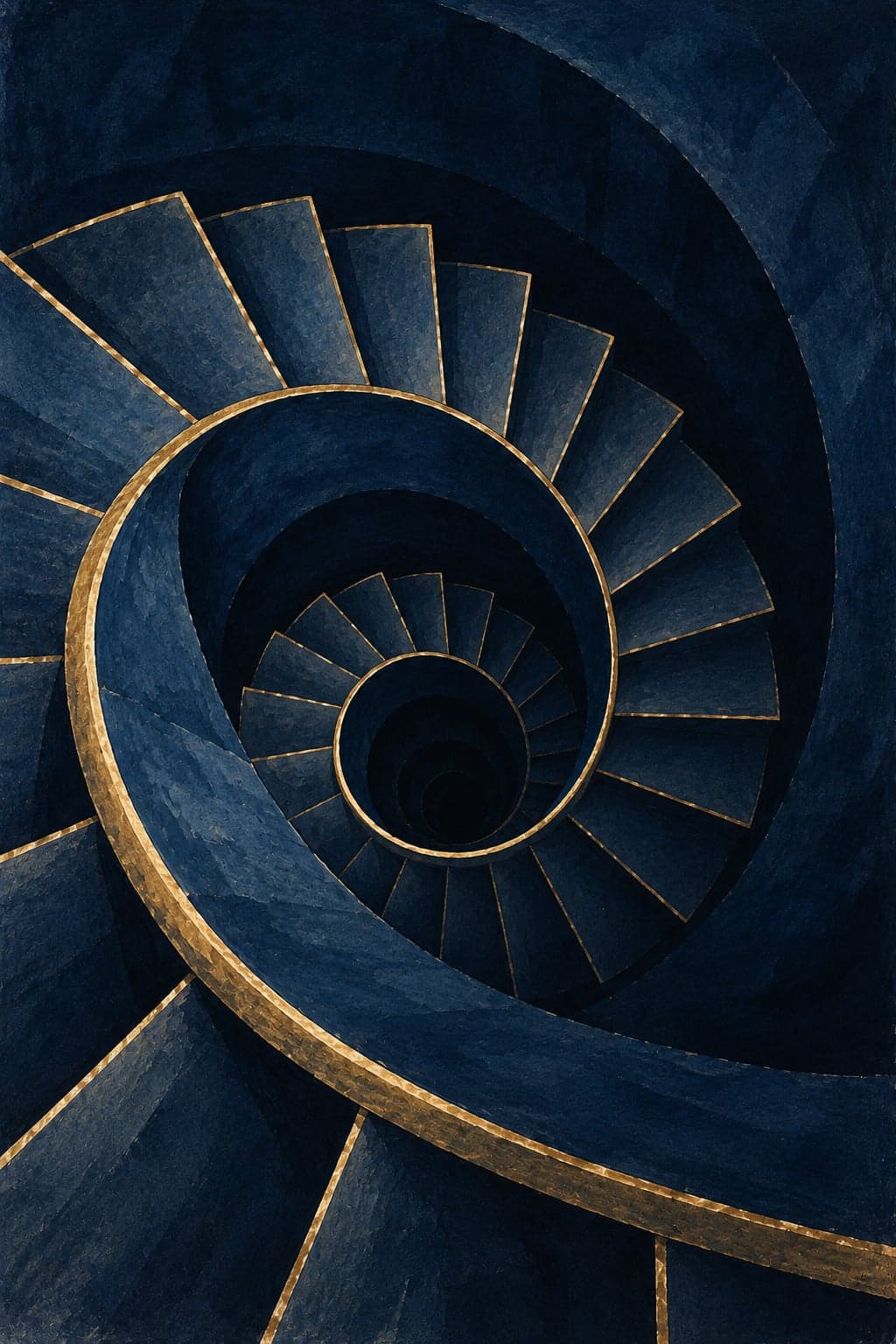
Quiet Signs is a 55-card deck of universal symbols for depth-oriented work. A key, a well, a labyrinth, a bridge, a mended bowl — each painted in flat gouache with a thin gold line on midnight blue. The cards have no words and no fixed meanings: a symbol means what it means to the person holding it, and that is where the session begins.
Who it's for
For work that happens below the surface
Jungian & depth therapists
Amplify an image the client brings — from a dream, a memory or a feeling — by finding it on the table and talking to it.
Coaches & group facilitators
Symbols get past rehearsed answers. A bridge or a locked padlock says in one second what a question takes ten minutes to reach.
Dream journaling & self-reflection
Draw a card before writing down a dream, or pick the symbol that matches today. The picture opens the page.
The cards
Old images, painted quietly
Symbols that appear in dreams, myths and everyday speech across cultures — none of them tied to a religion, a tradition or a divination system.
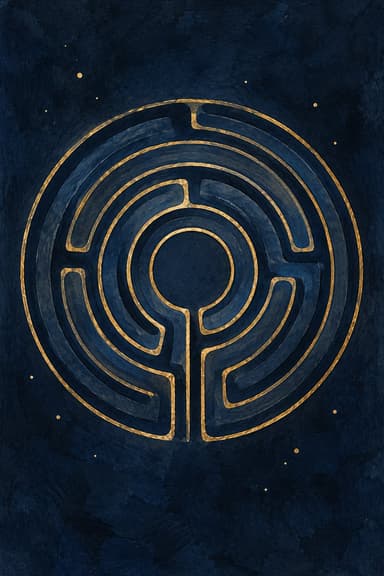
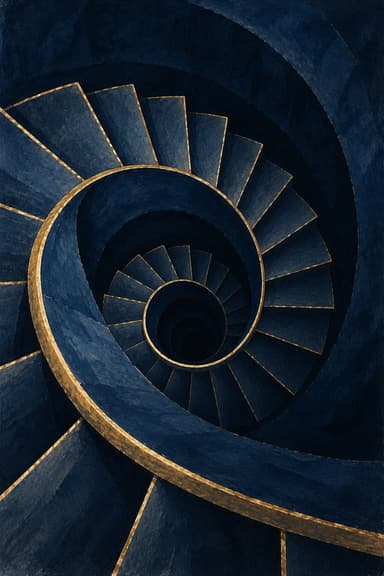
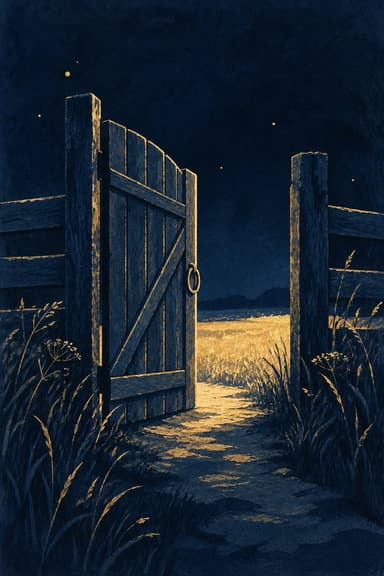
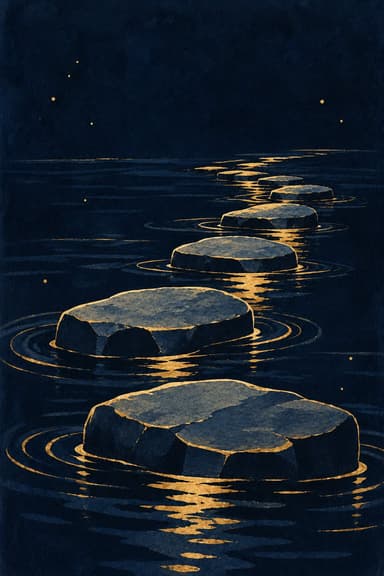
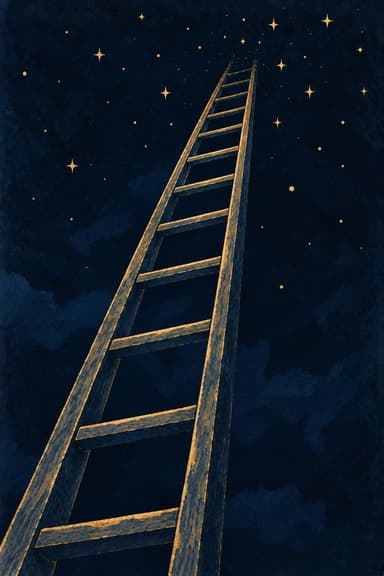
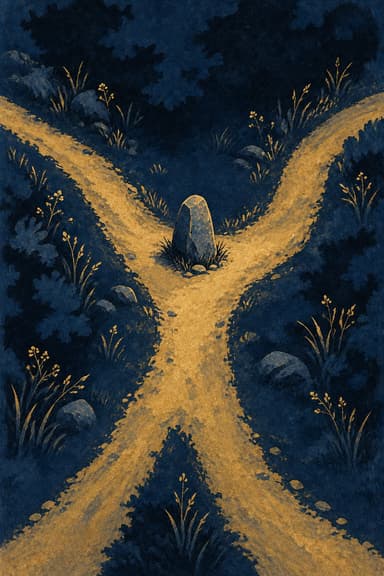
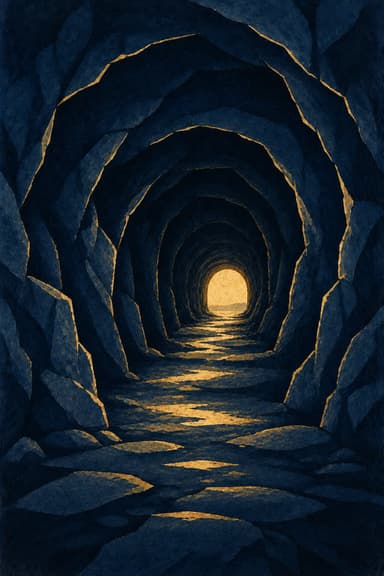
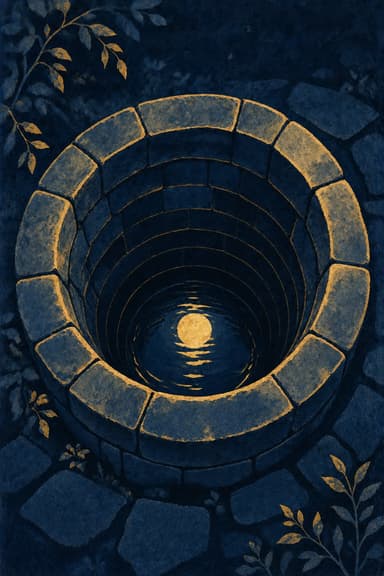

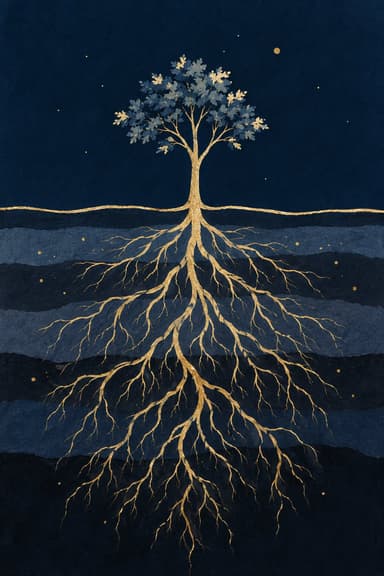
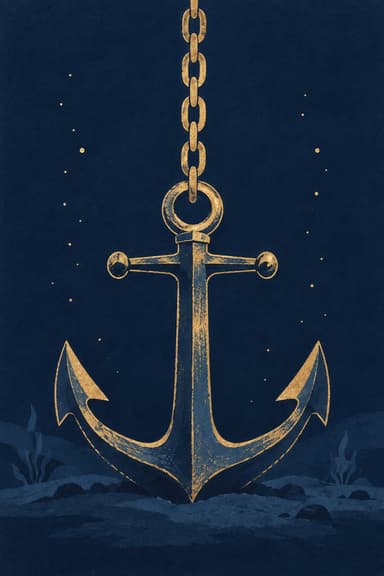
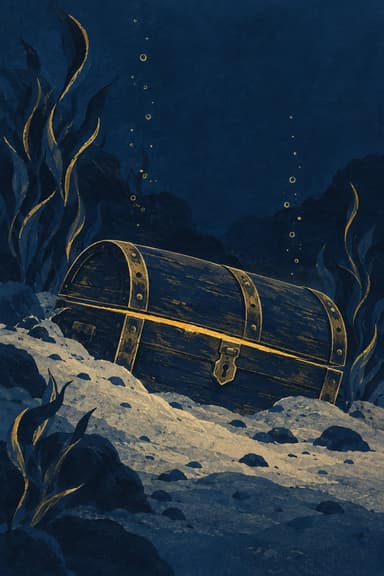
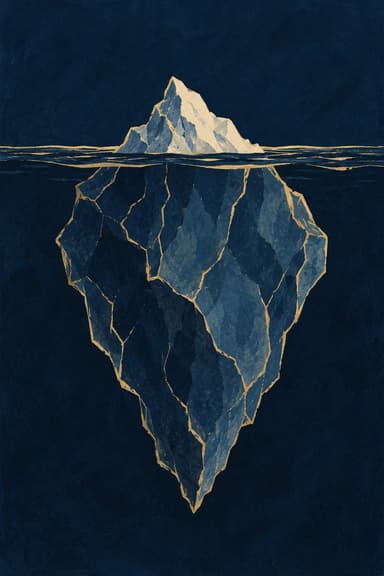
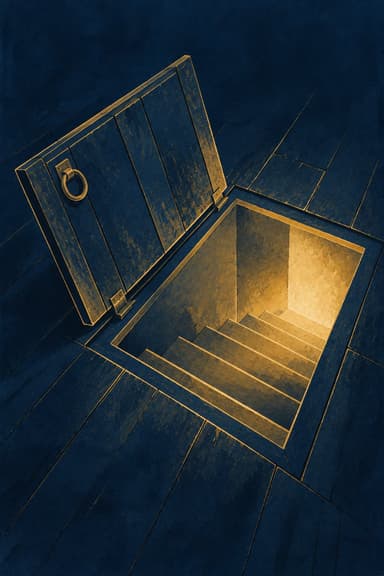
Open the deck to see all 55 and choose the ones for your session.
Three cards up close
A symbol has no answer key
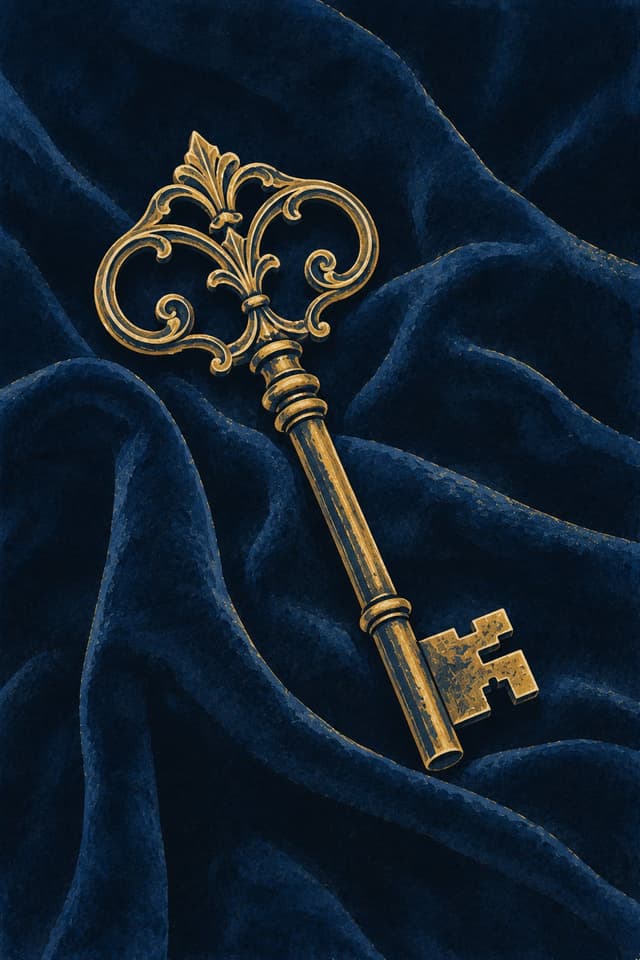
The key
What would you open if you had this? And who gave it to you?
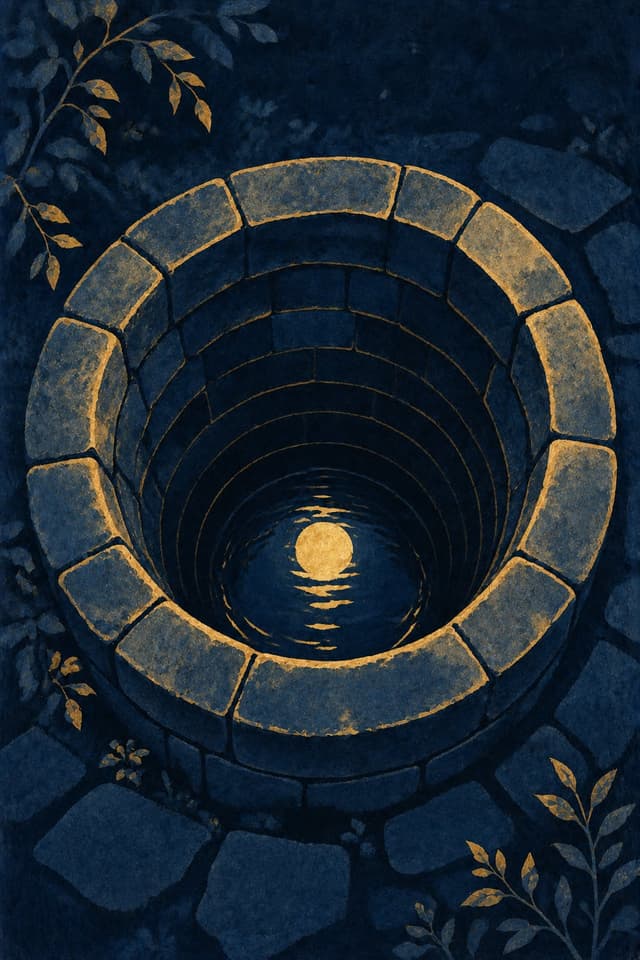
The well
What lies at the bottom — and how deep are you willing to look today?
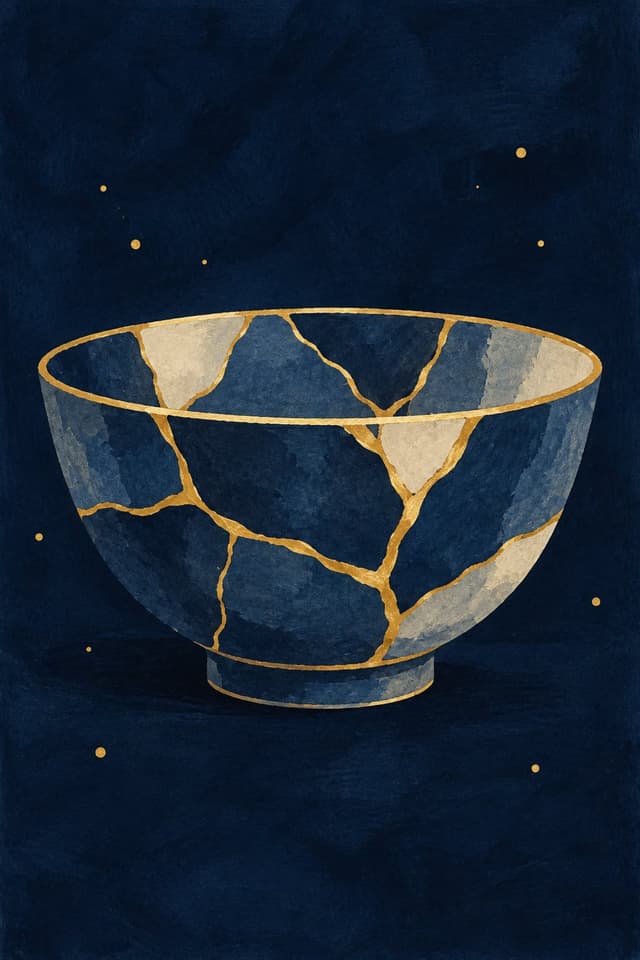
The mended bowl
Which of your cracks has already become part of the shape?
What's inside
55 symbols in seven families
Families help you narrow the table to one theme. Symbols from different families side by side often tell the clearest story.
How to read a symbol
The meaning is not printed anywhere
There is no booklet of meanings for these cards, on purpose. A labyrinth can be a trap for one person and a slow way home for another. Ask what the symbol does, not what it stands for — and let the person's own associations lead.
Example spreads
Three layouts to start from
Positions give the conversation a direction; they never decide what a card means.
The dream image
3 cards
- 1What I saw
- 2What it reminds me of
- 3What it wants
Lock and key
2 cards
- 1What is closed
- 2What might open it
The crossing
4 cards
- 1Where I stand
- 2What I cross
- 3What waits on the other side
- 4What I carry with me
Questions to ask
Prompts for symbolic work
When to reach for it
Conversations this deck opens
Dream work. Find the dream's key image on the table and let it speak before interpreting anything.
Active imagination. Stay with one symbol, describe it slowly, and follow where it moves.
Transitions. Bridges, gates and tunnels give a shape to the in-between: no longer there, not yet here.
Hidden resources. Keys, lanterns and threads help name what already guides you.
Loss and repair. The mended bowl and the shed skin make room for what breaks and what stays.
Inner conflict. Scales, sun and moon, two cliffs — lay the two sides out and look at the gap between them.
Group openings. Each person picks the symbol for what they bring today and says one sentence about it.
Journaling. One card in the morning, one line in the evening: where did this symbol show up today?
The artwork
Gold line on midnight blue
Every card is original artwork created for MindTrays: flat, matte gouache in shades of midnight blue, with the symbol drawn in a fine gold line. One symbol per card, lots of quiet space around it — nothing competes with the image the person is looking at.
The deck avoids religious, occult and astrological signs, so it works in any room and any culture. Cards render at 1024×1536, sharp enough to share on screen in an online session.
How to work with it
From symbol to story
Set the question
Name the theme — a dream, a decision, a stuck place — or leave it open.
Choose face up or face down
Face up to pick the symbol that calls you; face down to meet one you didn't choose.
Describe before you interpret
Say what you see: shape, place, what the gold line touches. Meaning comes after.
Keep the image
Note the symbol and the words that came with it. The spread saves with the session.
Questions
About this deck
What are symbol cards used for in therapy?
How many cards are in Quiet Signs?
Is this a Tarot or oracle deck?
Does the deck include religious symbols?
Can I use it online with a client?
Can I use it on my own?
Other decks
Pairs well with

Pick the symbol that has been waiting for you
Open MindTrays Quiet Signs, lay out one family, and let a single image start the conversation. Working remotely? Start a collaborative session and send the link.
