
Mindtrays Self-Esteem
Meet the parts of yourself behind every mask — a tender dive into emotions, meaning, and inner clarity.
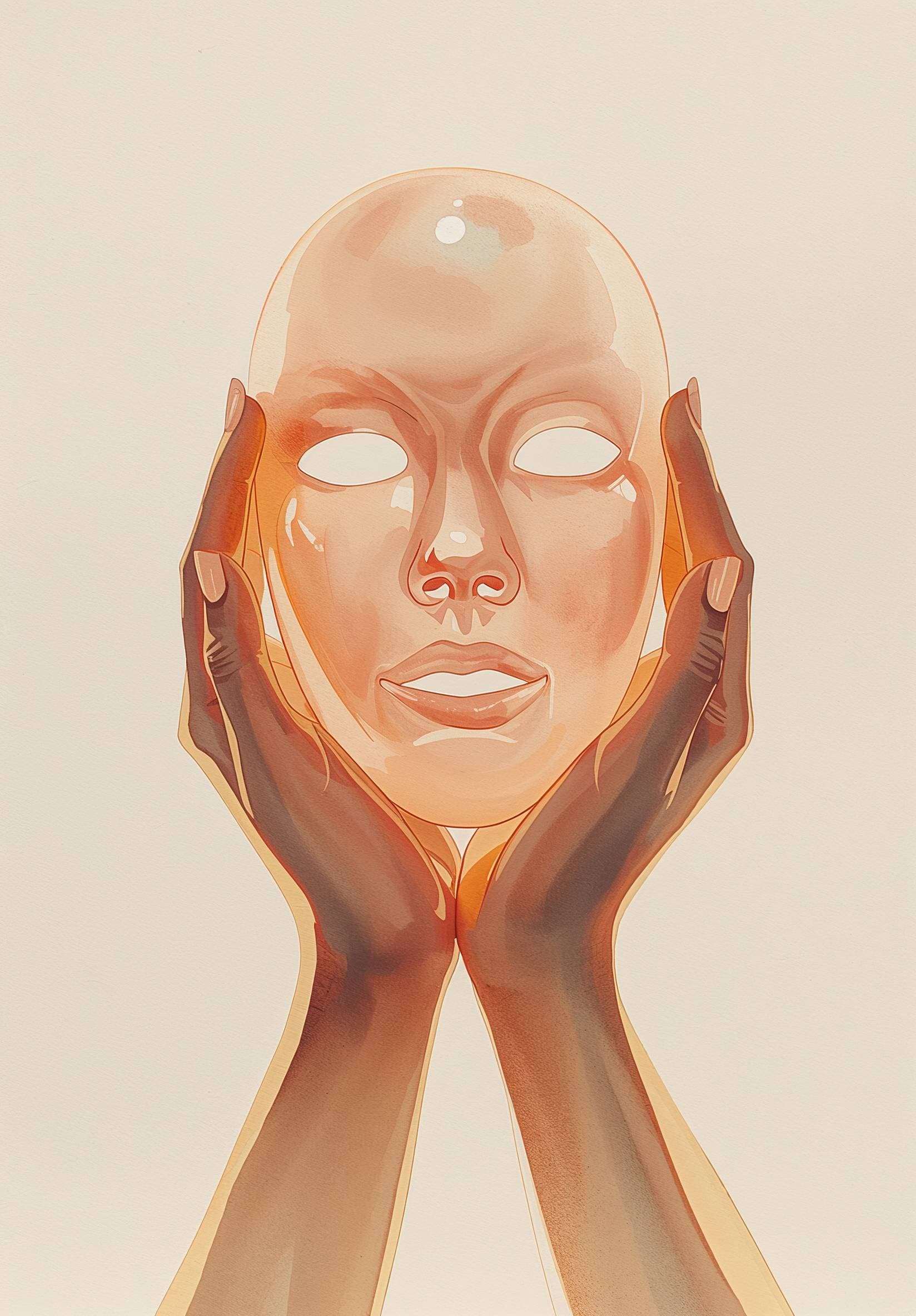
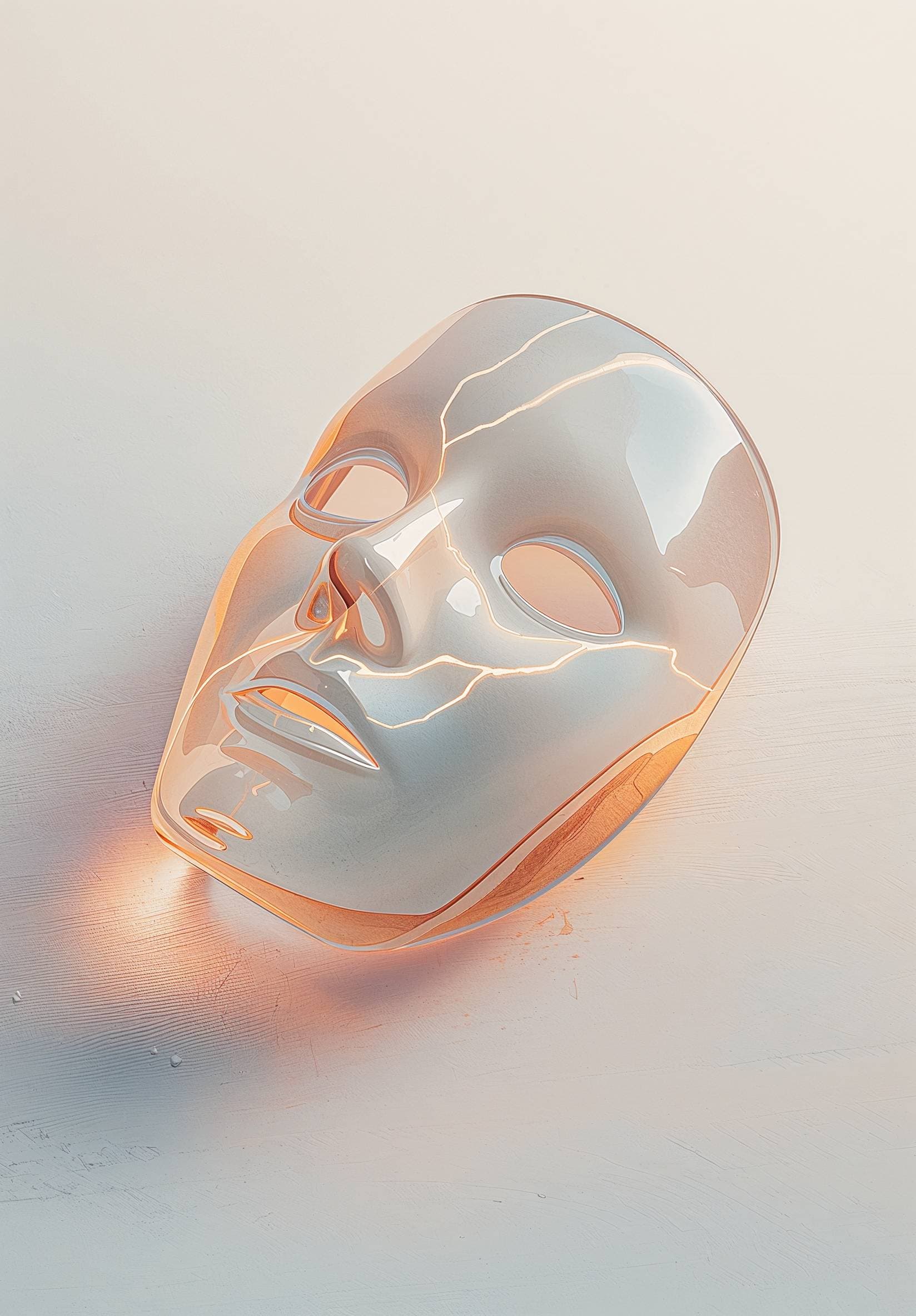
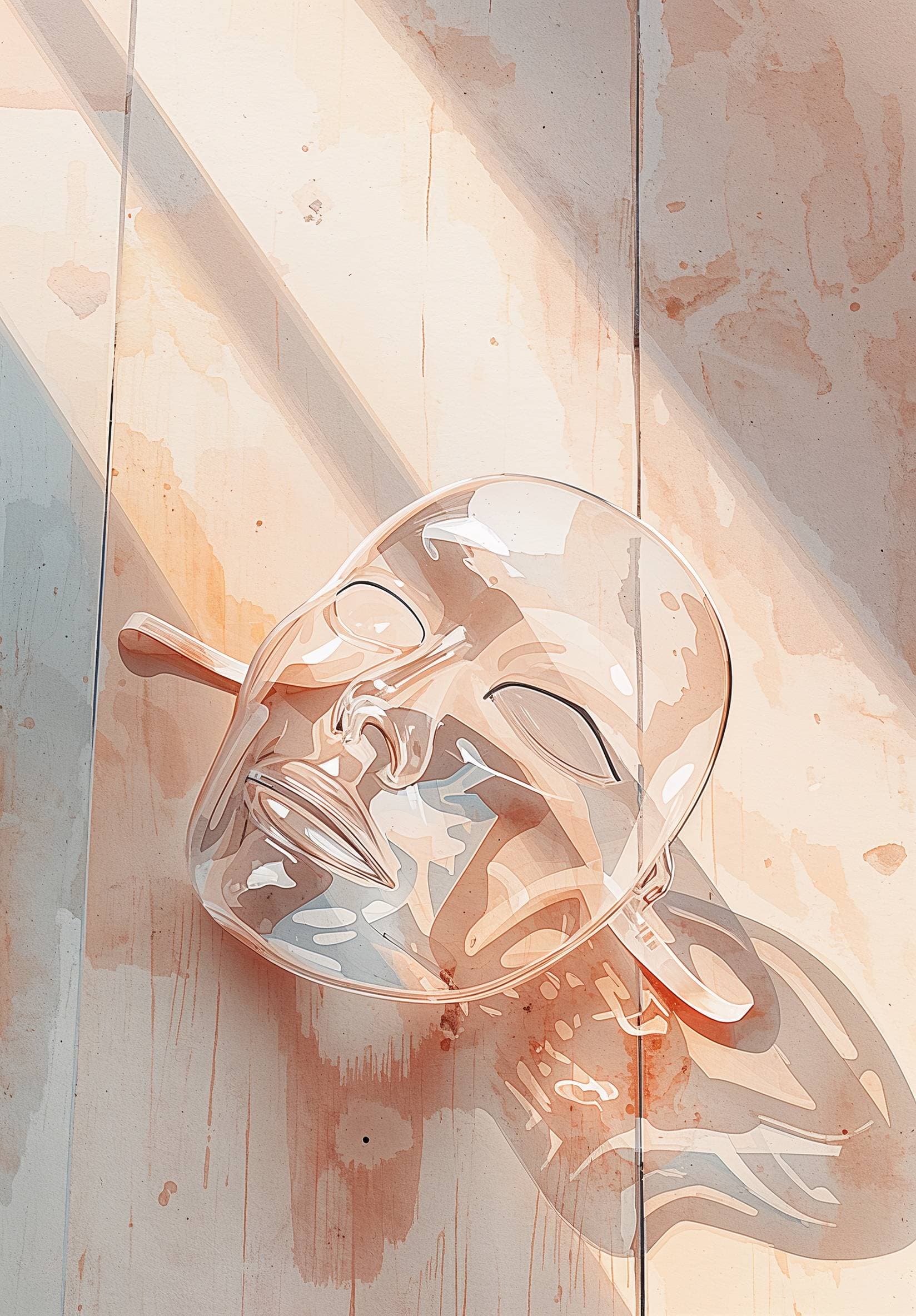
Self-Esteem is a 65-card deck about the masks we wear and the face underneath. Masks held gently in two hands, masks half-lifted from a face, masks left on a windowsill, in the grass, beside a key or a feather. Choosing a mask is a safe way to talk about how we present ourselves, what we hide, and what it would take to be seen as we are.
What's inside
65 masks, five ways of meeting them
From the mask and the face together to a mask left alone with a single object. Each group opens a different conversation about self-worth.
When to reach for it
Conversations about self-worth
People-pleasing. Which mask do you put on so others stay comfortable?
The inner critic. Give the critical voice a mask and look at it from the outside.
Impostor feelings. The mask at work, the face at home — and the gap between them.
Body image and appearance. A gentle, indirect way into how someone sees themselves.
Teen identity. Who am I online, at school, at home? Masks make the question safe.
After a breakup or loss. Which mask is no longer needed, and what's underneath?
Group work. Everyone picks the mask they wear in the group — then the one they'd like to.
Self-compassion practice. Hold the mask the way the hands on the card do.
The cards
A gallery of masks
Soft light, warm colour and quiet objects. The masks never look frightening — they look like something we carry.
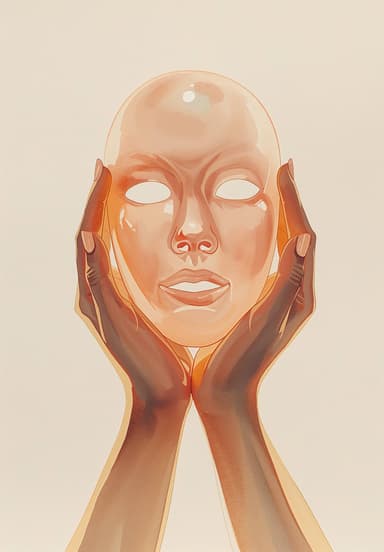
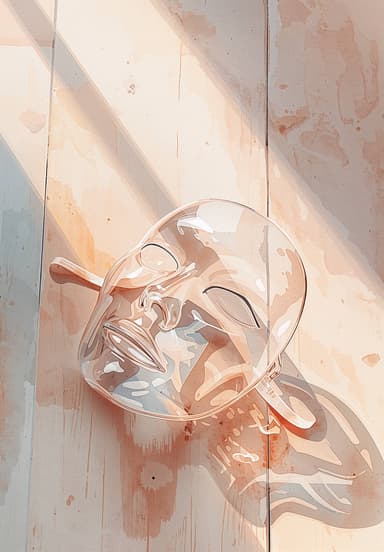
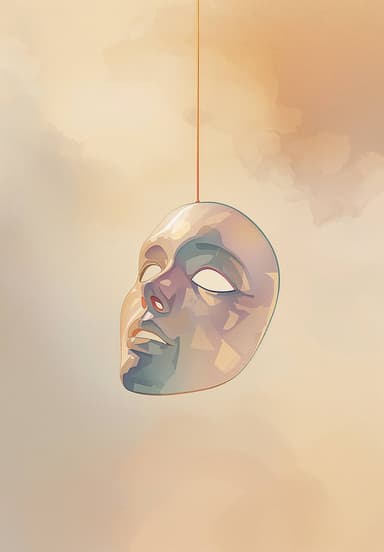

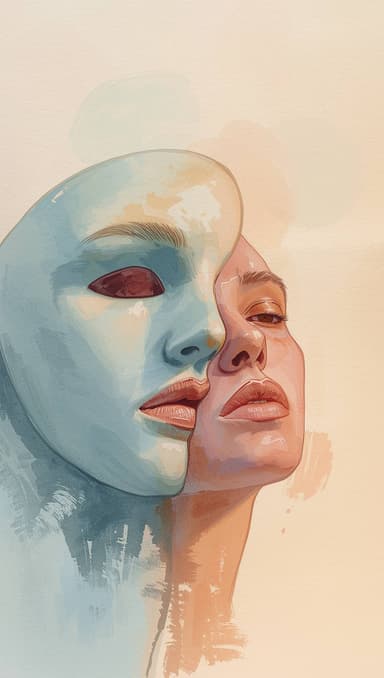

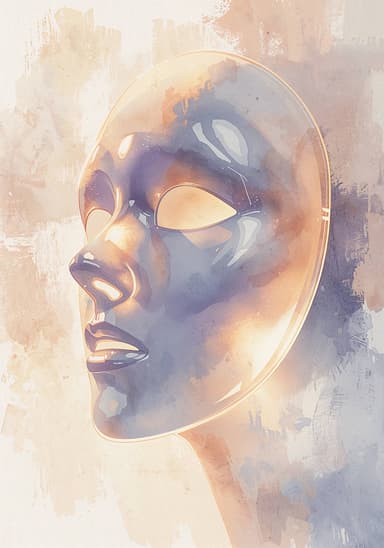

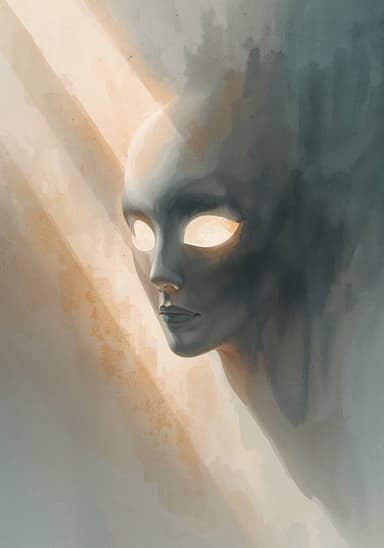
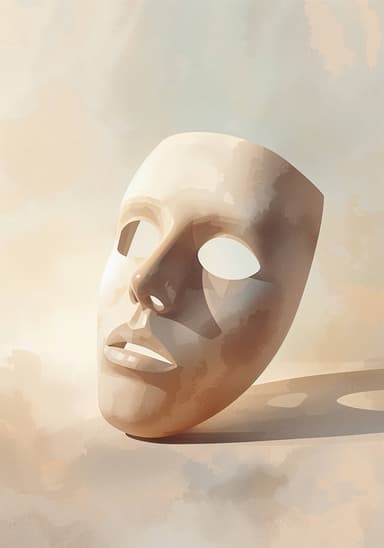


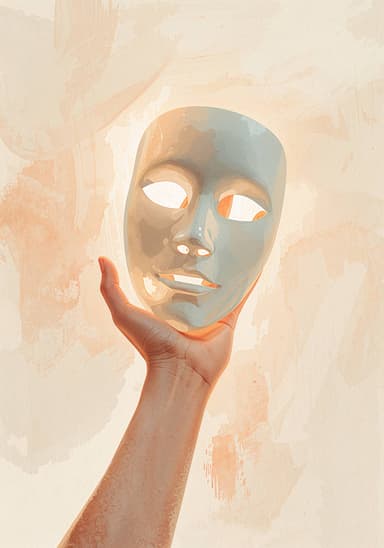
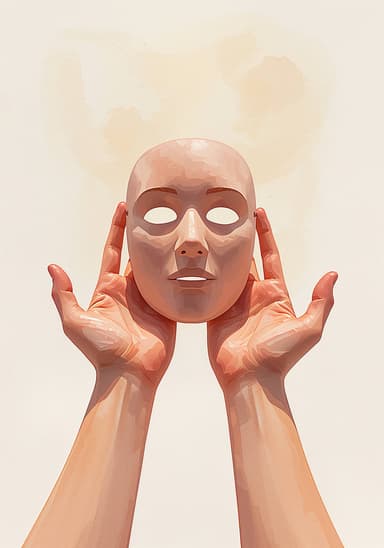
Open the deck to see all 65 masks.
Questions to ask
Prompts for mask work
Who it's for
Who reaches for this deck
Therapists
Self-esteem, shame, people-pleasing and identity work. Talking about a mask is easier than talking about yourself.
Teen counsellors
Adolescents live between masks — online, at school, at home. The cards let them explore that without being put on the spot.
For yourself
A mask a week and a few honest lines. Self-worth grows from noticing, not from affirmations.
Example spreads
Three layouts for mask work
Positions frame the question; the mask a person picks answers it.
Mask and face
2 cards
- 1The mask I show
- 2The face underneath
My masks
4 cards
- 1At work
- 2At home
- 3With friends
- 4Alone
Letting go
3 cards
- 1A mask I've outgrown
- 2What it kept safe
- 3What I can offer myself instead
How to work with it
From mask to self-worth
Browse face up
Let the person look through the masks without a task first.
Choose two
The mask they wear most, and the one that feels most like them.
Look at the objects
The key, the feather, the stone beside a mask often carry the insight.
Write one sentence
What the true face would say. The session saves it.
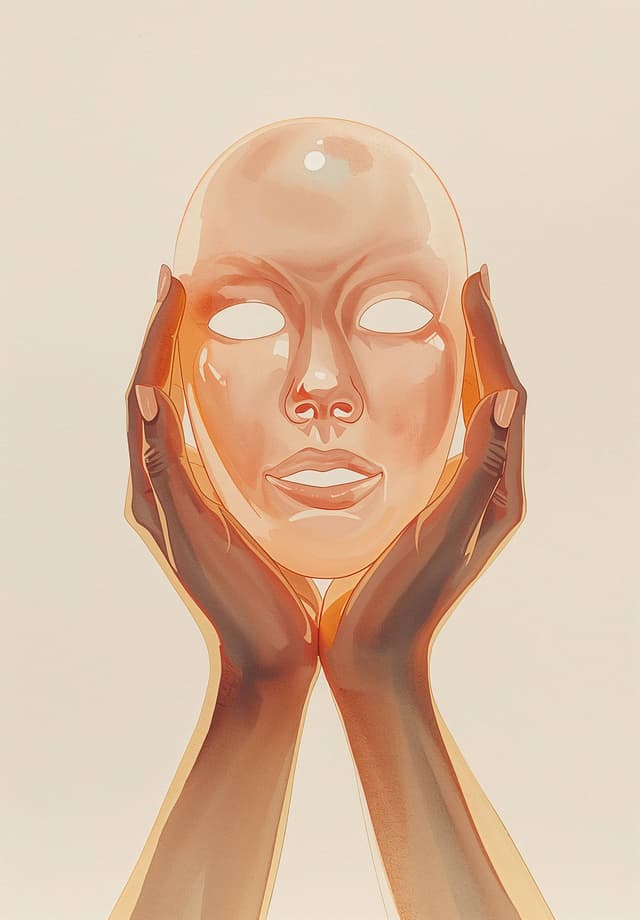
The artwork
Soft masks, warm light
Every card is an original painted image made for MindTrays in warm peach, lilac and sand. The masks are calm and beautiful on purpose — self-worth work goes deeper when nothing feels threatening.
Small objects placed beside the masks — a key, a feather, a cup, a leaf — give each card its own quiet story for the person looking to finish.
Questions
About this deck
What are self-esteem cards used for?
How many cards are in the deck?
Why masks?
Is it suitable for teenagers?
Can I use it online?
Do the cards have meanings?
Other decks
Also for inner work



Which mask are you wearing?
Open Mindtrays Self-Esteem , look through the masks and pick the one you wear most. Working with a client online? Start a collaborative session and send the link.
