
MindTrays Lit Windows
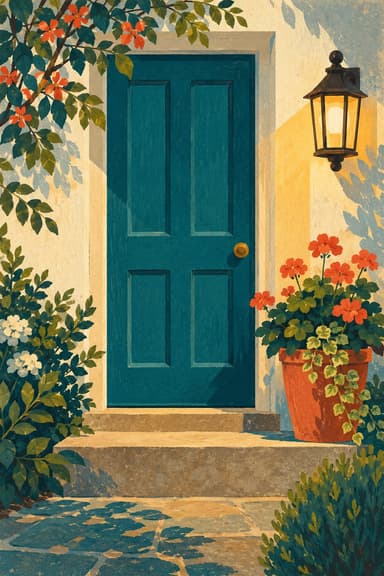
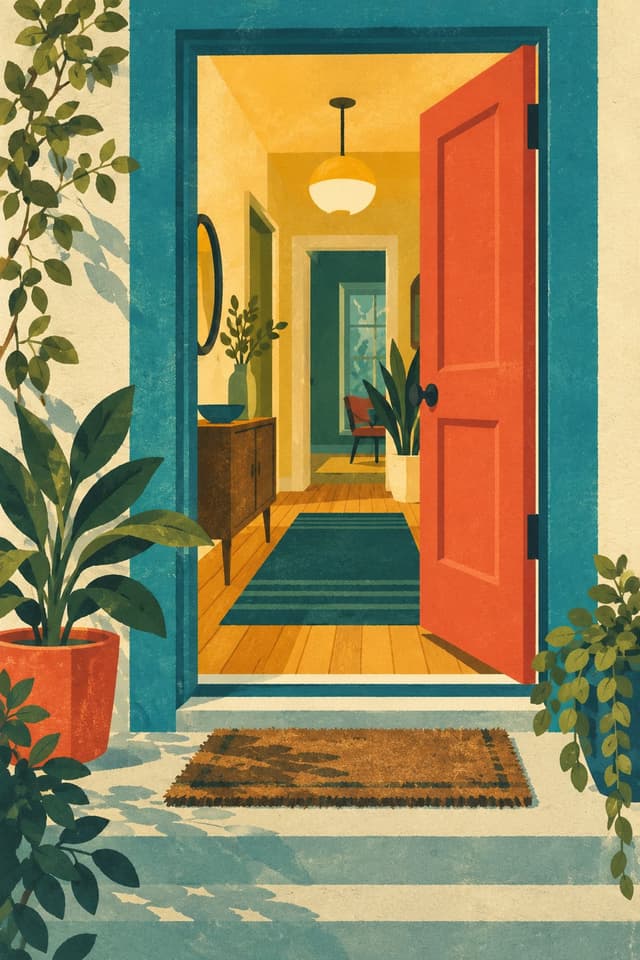
55 wordless cards about safety and belonging: a tent glowing from inside, an open front door, a kitchen table in morning light, a walled garden, a hollow tree, a long table set for many, two suitcases by the door. Flat mid-century gouache in teal, mustard and coral, no people. For therapy, coaching and self-reflection — a way to talk about where you feel at home, where you hide, and where you are only passing through.

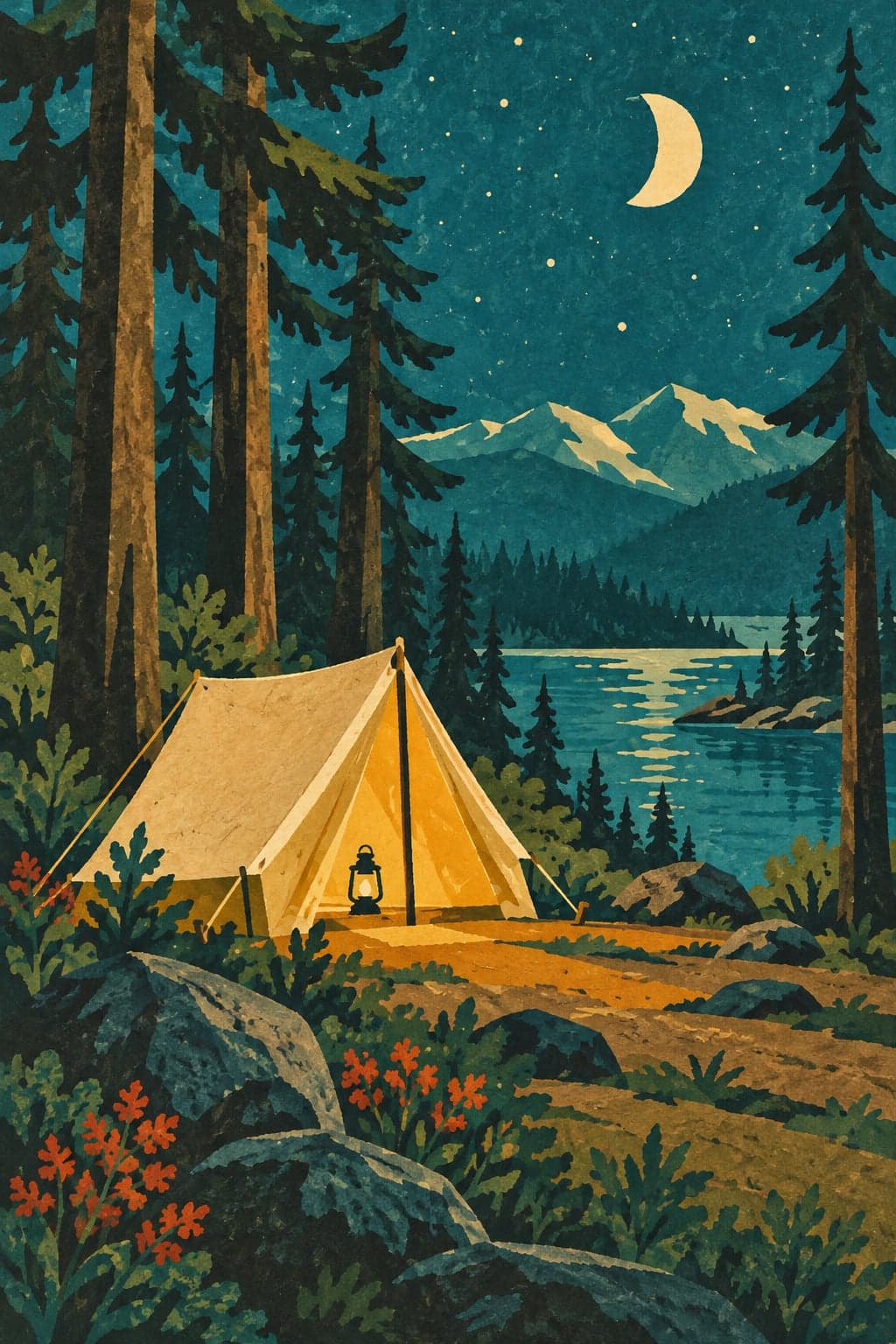
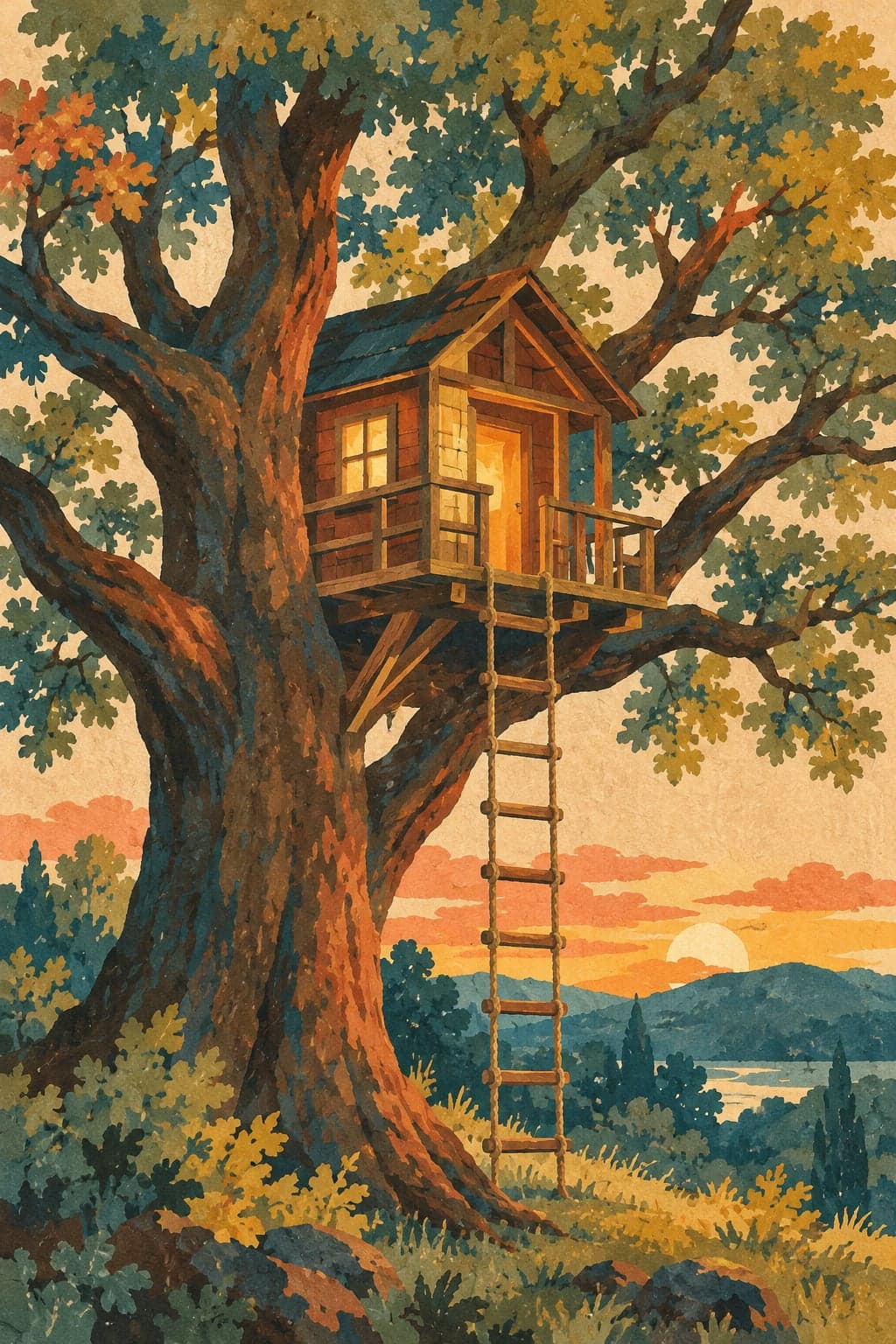
Lit Windows is a 55-card deck about safety and belonging. A tent glowing from inside, an open front door, a kitchen table in morning light, a hollow tree, a long table set for many, two suitcases by the door — places, not people. There is no text on the cards and no fixed meanings: each person chooses the place that feels like theirs, the one they hide in, or the one they are only passing through.
The cards
Places you can step into
Every card is somewhere a person could be: a room, a garden, a shelter, a threshold. Nobody is pictured — the client decides who belongs there.
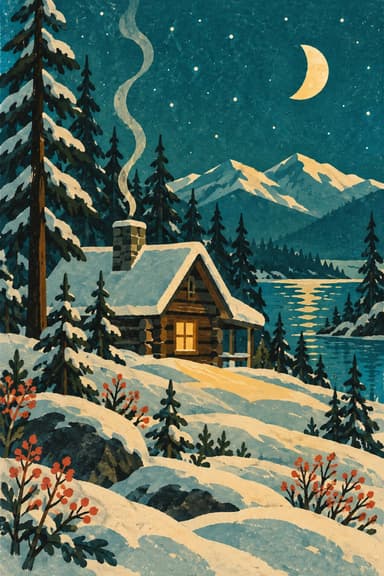
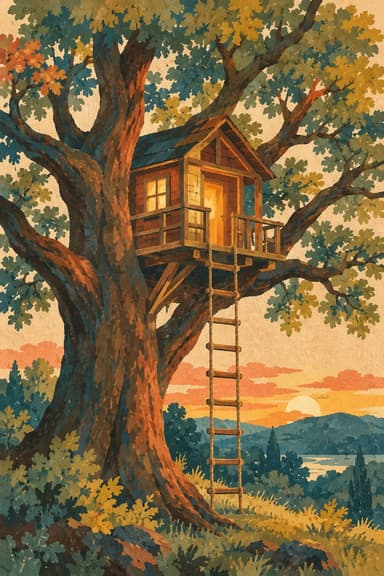
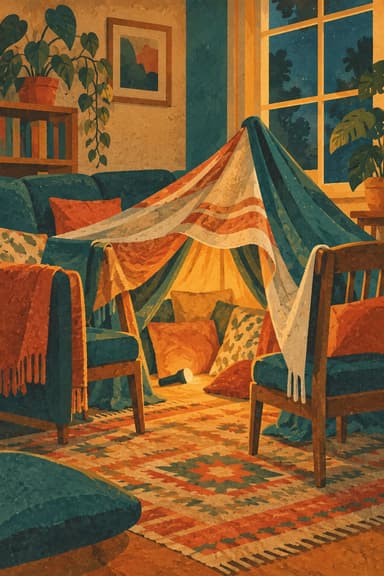
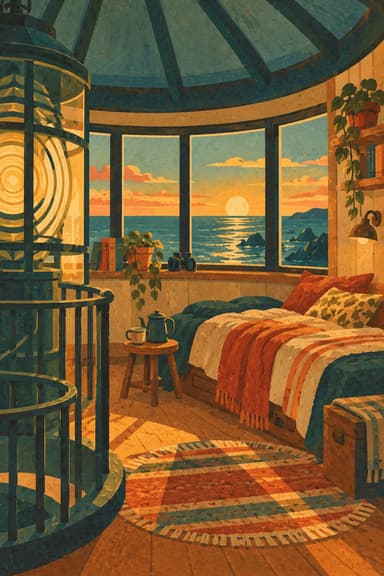
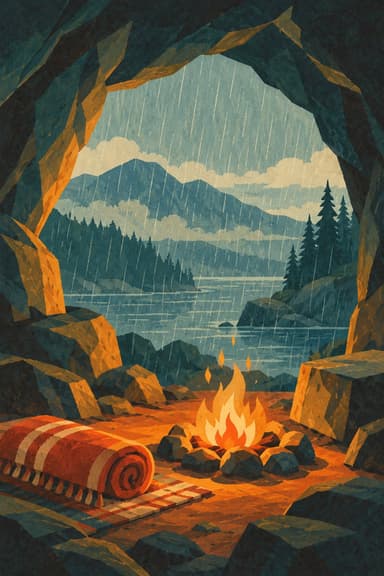
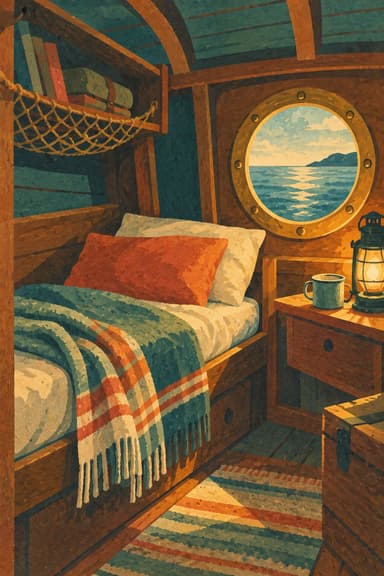
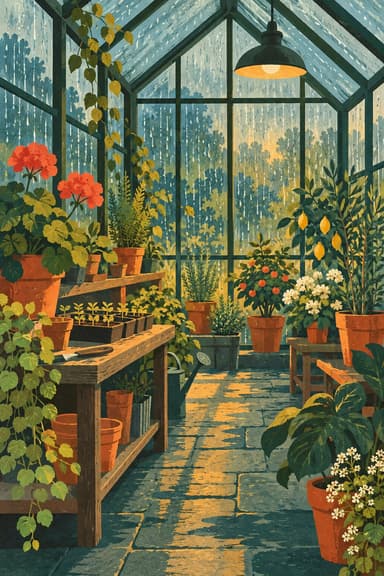
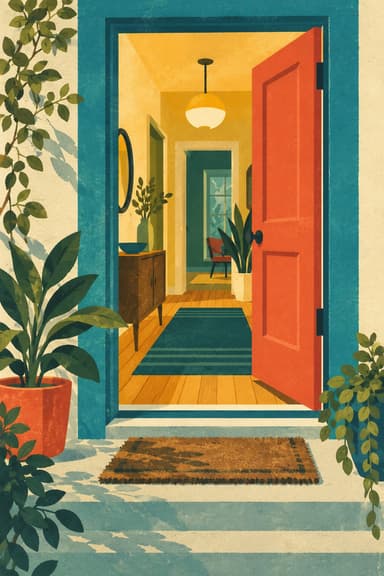
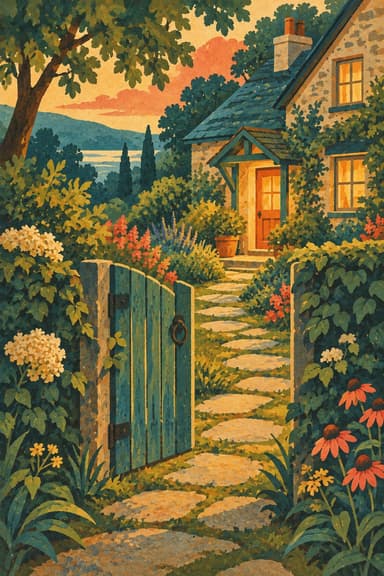
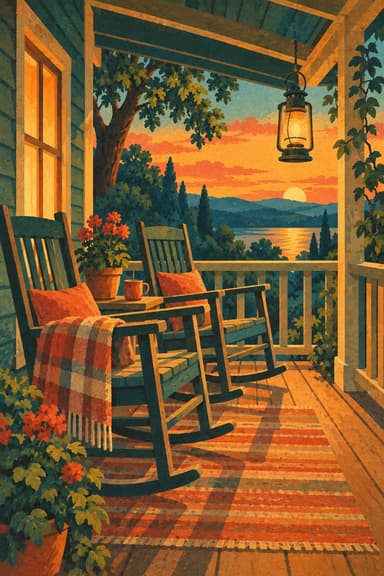
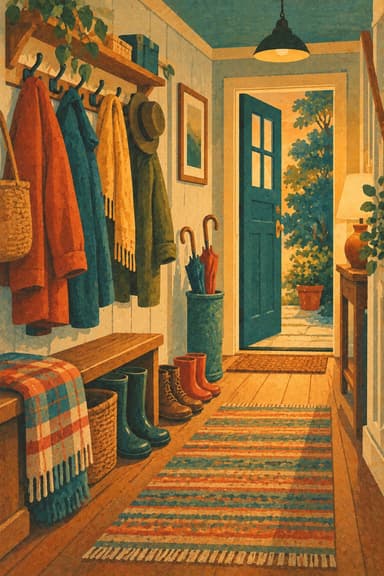
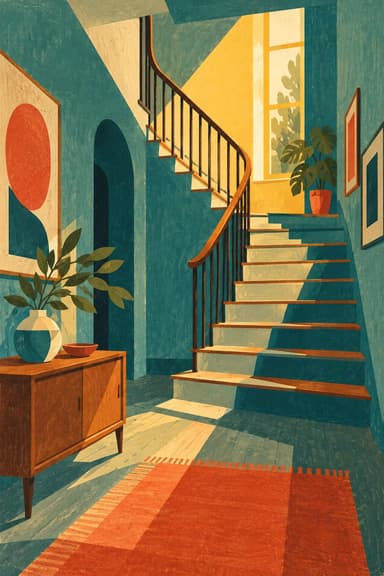
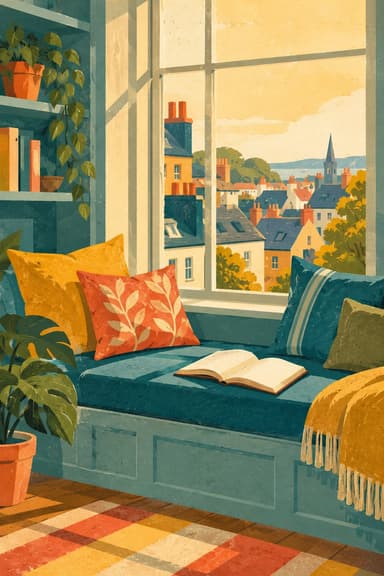
Open the deck to see all 55 and choose the places for your session.
Before you start
A place, not a prescription
The deck does not tell anyone where they should feel safe. It is a conversation tool: the pictures make it easier to say where you feel at home, where you hide and where you cannot settle — and what each of those places asks for.
When to reach for it
Sessions this deck was made for
Building a safe place. Instead of imagining one from nothing, the client picks the card that already feels safe — and describes what makes it so.
Belonging. Which places feel like yours, and which do you only visit? The gap between the two piles is the conversation.
Grounding after activation. A tent, a bath, a reading corner: choosing a card and naming its details brings the body back into a room.
Moving, migration, leaving home. Suitcases, boxes, a caravan at dusk — the in-between places give words to a life in transit.
Family and childhood homes. Pick the room that was yours as a child, and the one you would give a child now.
Hiding and retreat. The hollow tree and the cellar are not failures: ask what they protect and when they stop being enough.
Teams and shared spaces. A campfire circle, a long table, a library — how does this group feel as a place, and who has a seat?
Your own week. One card for where you felt most yourself, one for where you felt least. Write three lines about each.
Three cards up close
Three different kinds of safe
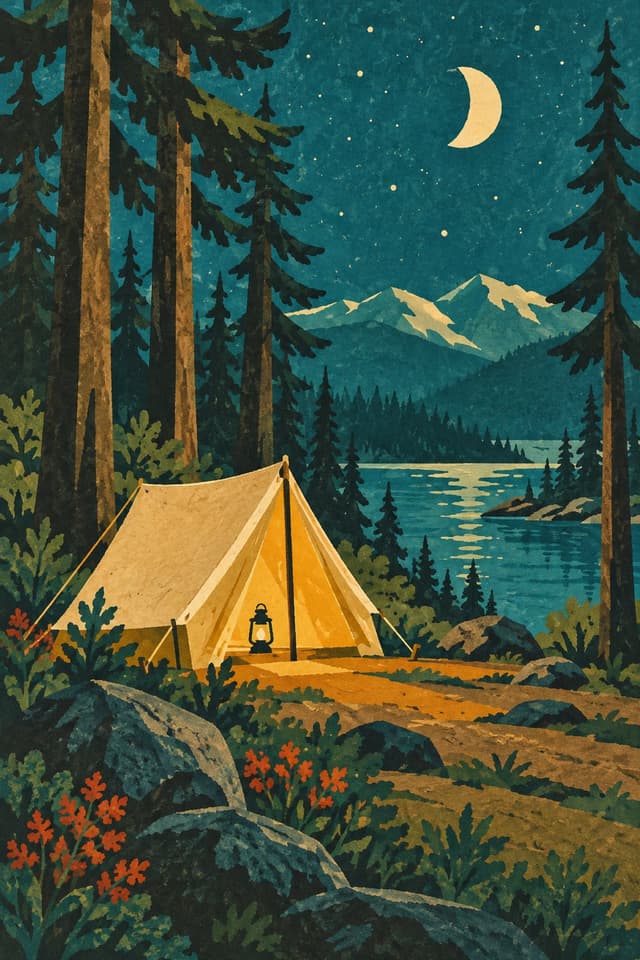
The tent in the pines
What is the thinnest wall that still makes you feel protected?
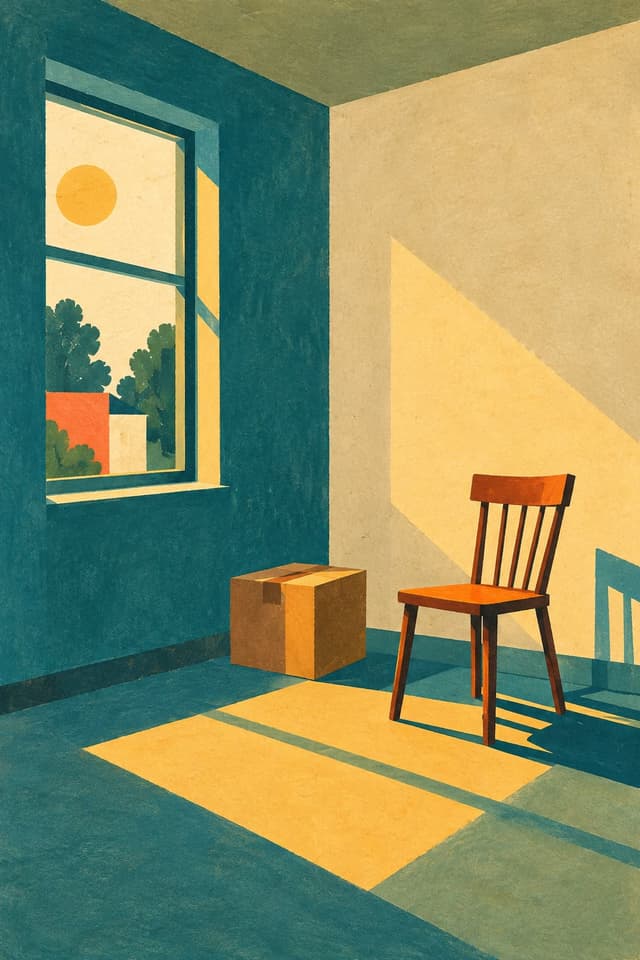
The empty room
Is this a place you have just left — or one you have not yet arrived in?
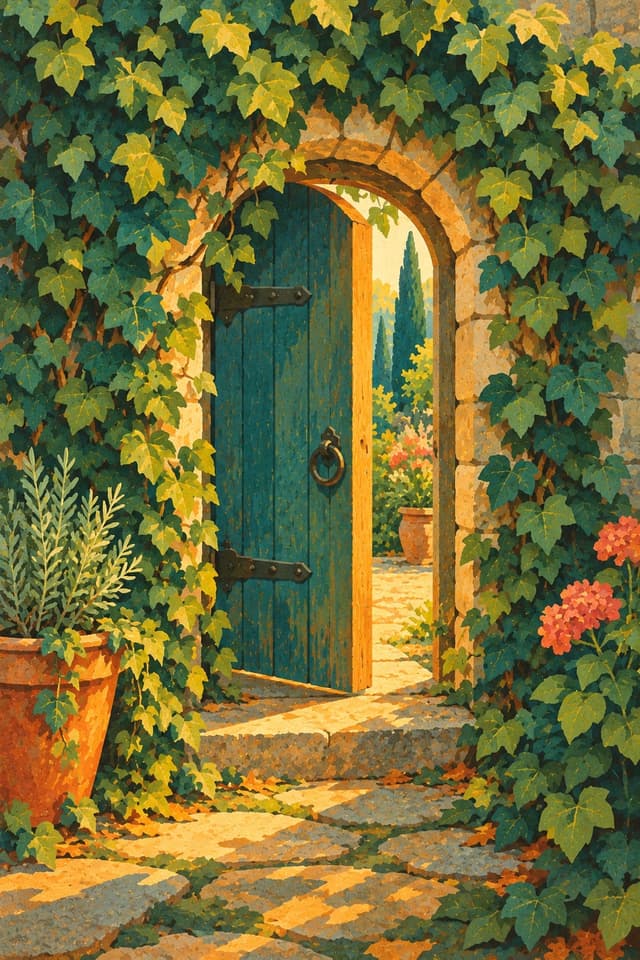
The door in the ivy
Who knows about this place of yours — and who would you let in?
What's inside
55 cards in seven kinds of place
The groups make it easy to put one question on the table — safety, entering, hiding, sharing. Mixing them is where the client's own map appears.
How to work with it
A session in four moves
Set the question
“Where do you feel safe?”, “Where do you belong?” or “Where are you right now?” — one question, all 55 cards face up.
Choose a place
The client picks the card they could step into today. Ask what is just inside the door and what is outside the frame.
Add the opposite
A second card for the place they avoid, or the place they have lost. Put the two side by side and let the distance speak.
Keep what surfaced
Write down what each place protects, lacks or asks for. The spread saves with the session for next time.
Example spreads
Three layouts to start from
Positions guide the conversation; they never fix what a card means.
Safe place
3 cards
- 1Where I feel safe
- 2What makes it safe
- 3What I bring with me
Home and away
2 cards
- 1Where I belong
- 2Where I am only a guest
The move
4 cards
- 1What I left
- 2What I carry
- 3Where I am now
- 4Where I am going
Questions to ask
Prompts that work with these cards
Why this deck
Made to be stepped into
Places, not portraits
No faces to compare yourself with. The client is the missing person in every picture, which is what makes the picture theirs.
Safe, hidden, shared, in between
Seven groups cover more than cosiness: thresholds, hiding places, shared tables and the rooms between two lives.
One deck for every language
No words on the cards, so the same deck works in any language, with children and adults, in person and online.
The artwork
Flat gouache, mid-century calm
Every card is an original gouache-style illustration created for MindTrays: flat shapes, a slightly offset print feel and the tooth of cream paper in teal, mustard and coral. One warm light source — a lamp, a window, a doorway — tells you a place is lived in, even with nobody there.
Cards render at 1024×1536, crisp enough to zoom into the one detail a client noticed on a shared screen.
Questions
About this deck
What are safe place cards used for?
How many cards are in the deck?
Why are there no people on the cards?
Can I use it with children and teenagers?
Can I use it online?
Is this a diagnostic tool?
Other decks
Pairs well with


Find the place that feels like yours
Open MindTrays Lit Windows, choose the card you could step into today, and say what is inside. Working remotely? Start a collaborative session and send the link.
