
Mindtrays Figures
Figures invites you to explore roles, relationships, and inner dynamics through 50 silhouette outlines that open space for honest reflection and new insight.
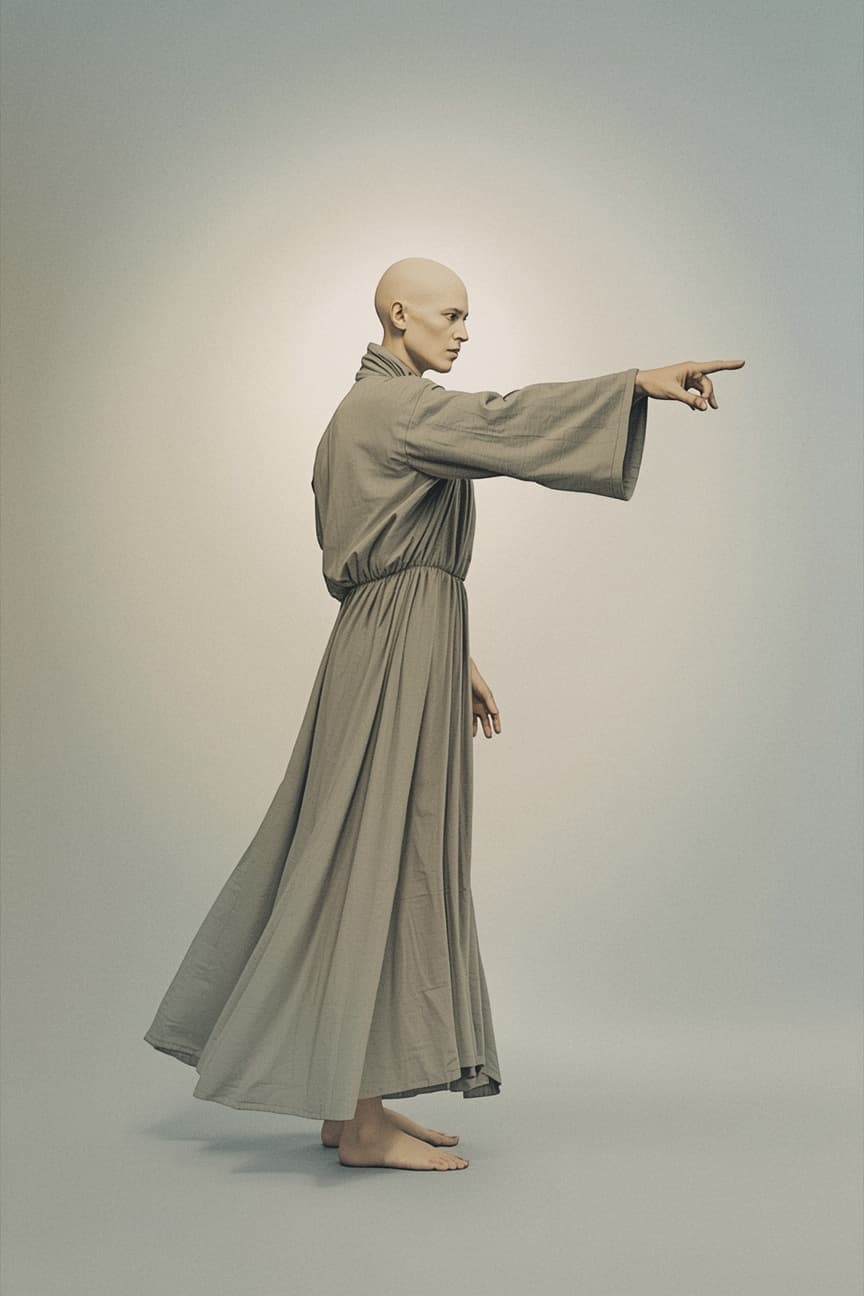
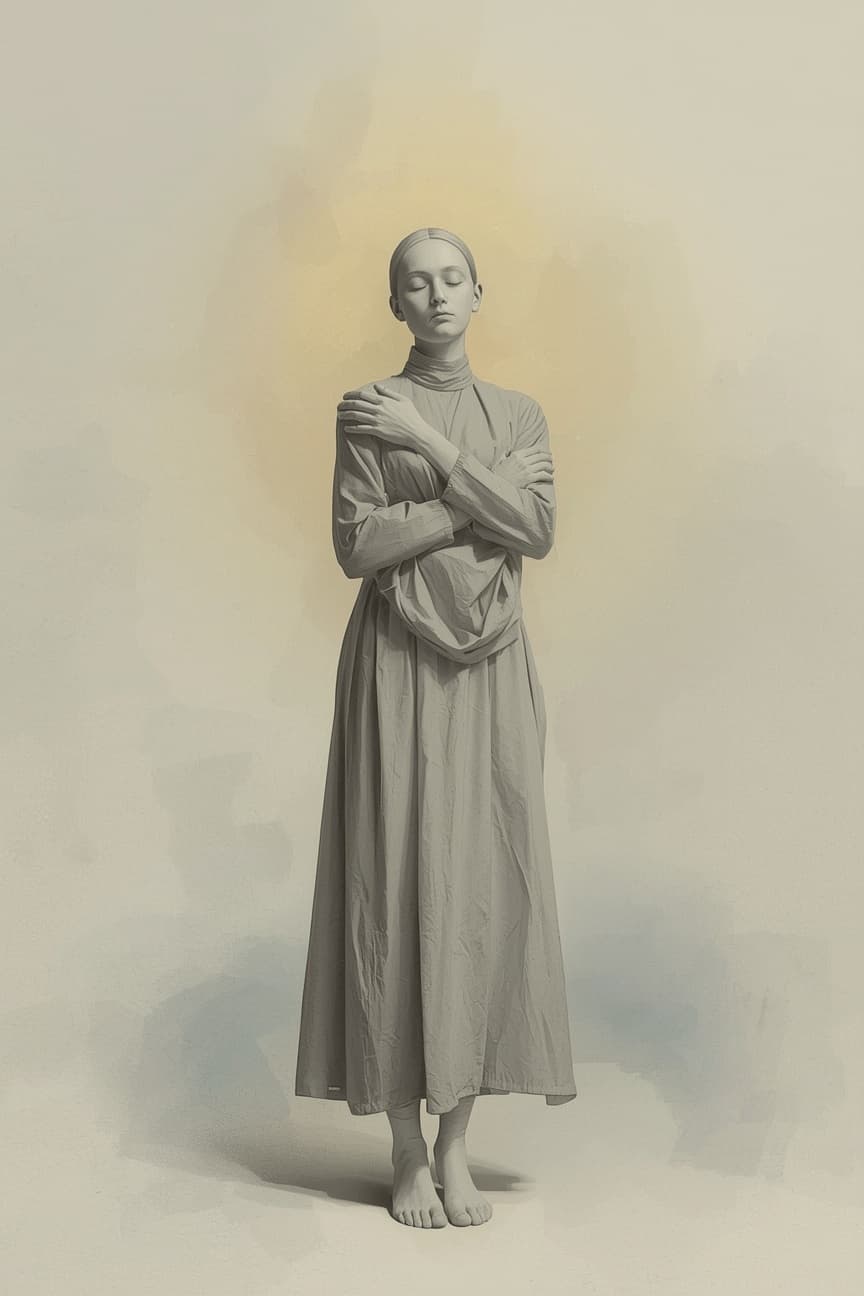

Figures is a 50-card deck of human postures without faces you'd recognise. Robed, simplified figures standing, reaching, bending, curling up — alone, in pairs and in crowds. Because nobody is a particular age, gender or person, anyone can become any figure. Place them on the desk and the distances, directions and gestures start to show a relationship, a family or an inner world.
What's inside
Four kinds of body language
Posture is the first thing we read in a person. The groups follow it.
When to reach for it
What these figures make visible
Family and systemic work. One figure per family member, placed by distance and direction — a constellation on the desk.
Relationship dynamics. Who reaches, who withdraws, who stands apart — without naming blame.
Inner parts. Let each part take a figure: the one who hides, the one who points, the one who rises.
Body awareness. Which posture is closest to how your body feels right now?
Belonging and exclusion. The crowd cards open conversations about fitting in and standing out.
Grief and heaviness. Curled and kneeling figures give form to what is hard to say.
Team roles. Each colleague picks the figure they become in meetings.
Supervision. Place yourself and your client — the gap between the figures is the case.
The cards
Postures, not portraits
Soft light, quiet colour, no background story. The body says everything.



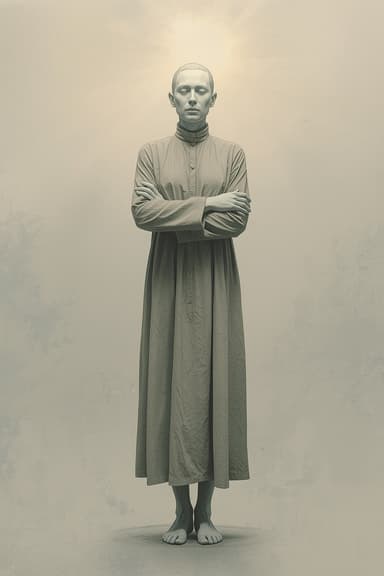
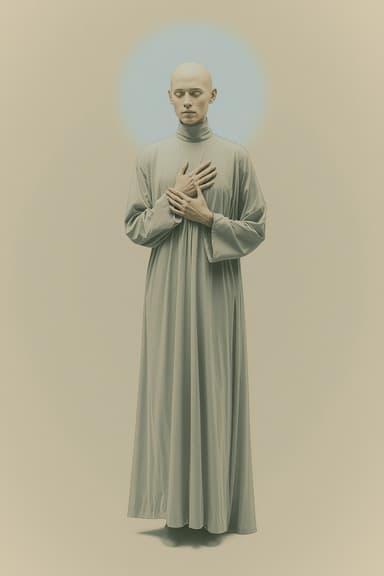
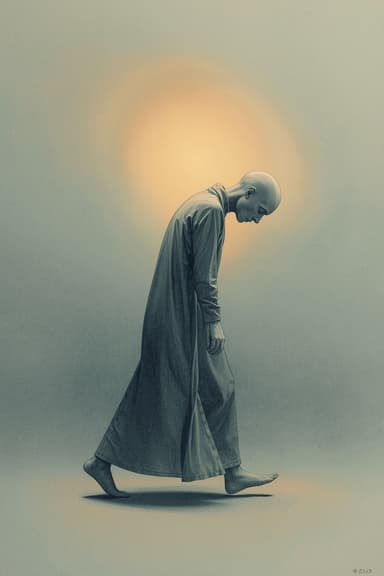


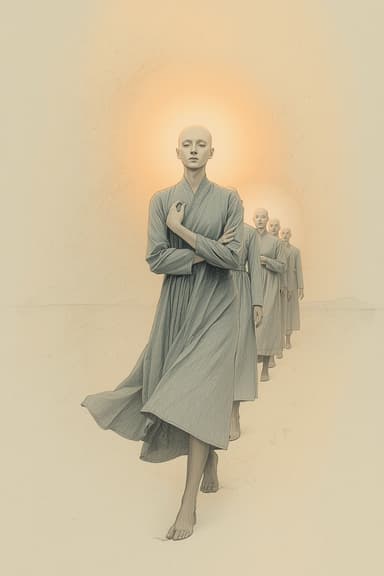
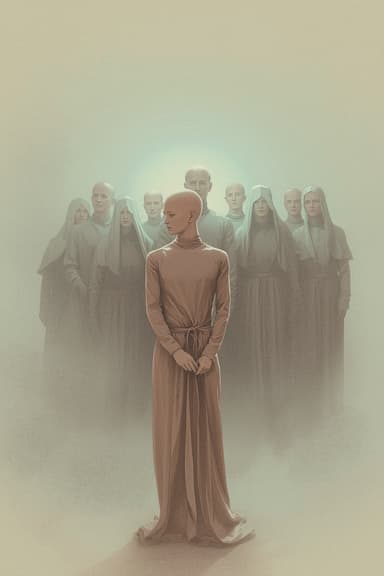

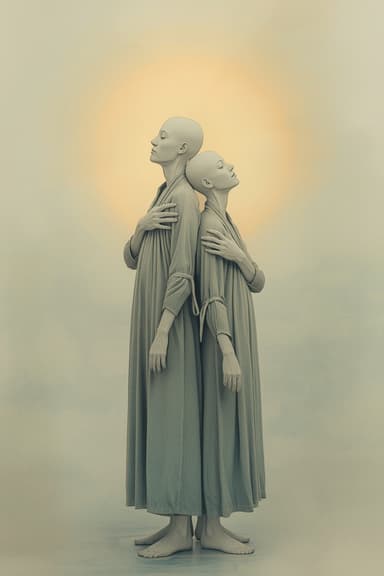
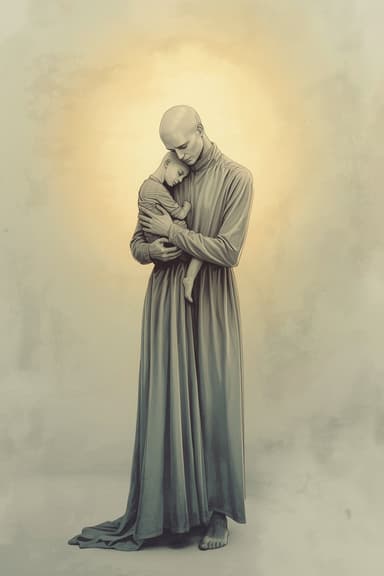
Open the deck to see all 50 figures.
Example spreads
Layouts for relationships and roles
With Figures, where a card is placed matters as much as which card it is.
Family constellation
5 cards
- 1Me
- 2Parent
- 3Parent
- 4Sibling
- 5Who is missing
Two people
3 cards
- 1How I stand with you
- 2How you stand with me
- 3What is between us
Body and wish
3 cards
- 1My posture now
- 2What it protects
- 3The posture I want
Who it's for
Built for the space between people
Family & systemic therapists
Set up a constellation in minutes. Clients place figures themselves and see the pattern they've been describing.
Couples therapists
Two figures on the desk show closeness, turning away and reaching better than a list of complaints.
Coaches & facilitators
Roles, leadership presence and team dynamics — rendered as posture, which people read instantly.
How to work with it
From figures to insight
Choose the cast
Pick a figure for each person or part — face up, by feel.
Place them
Drag the figures closer or further apart, facing or turned away.
Walk around it
Ask what each figure would say from where it stands.
Move one figure
Change one position and notice what shifts for everyone else. Save the layout.
The artwork
Anyone can be any figure
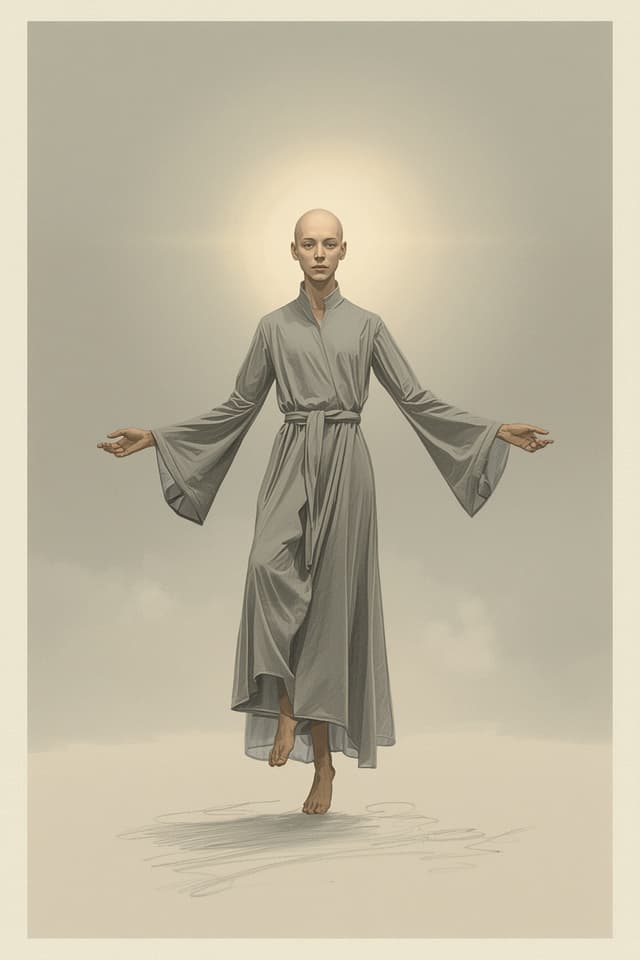
Each card is an original painted figure created for MindTrays — simplified heads, long robes, muted colour and a soft halo of light. Leaving out age, gender and identity is a design decision: the figure becomes whoever the person needs it to be.
With no background and no text, attention goes straight to posture and gesture — the language the body already speaks.
Questions to ask
Prompts for figure work
Questions
About this deck
Can I use Figures for family constellations?
How many cards are in the deck?
Why don't the figures have clear faces?
Does it work with couples?
Can I use it online?
Do I need training in constellation work?
Other decks
Pairs well with



Put the people on the table
Open Mindtrays Figures, choose a figure for each person or part, and place them where they belong. Online? Start a collaborative session and send the link.
