
Mindtrays Animals & Instincts
A cinematic 50‑card animal deck that turns every creature into a powerful mirror for self‑discovery, making inner work feel intuitive, engaging and impossible to forget.
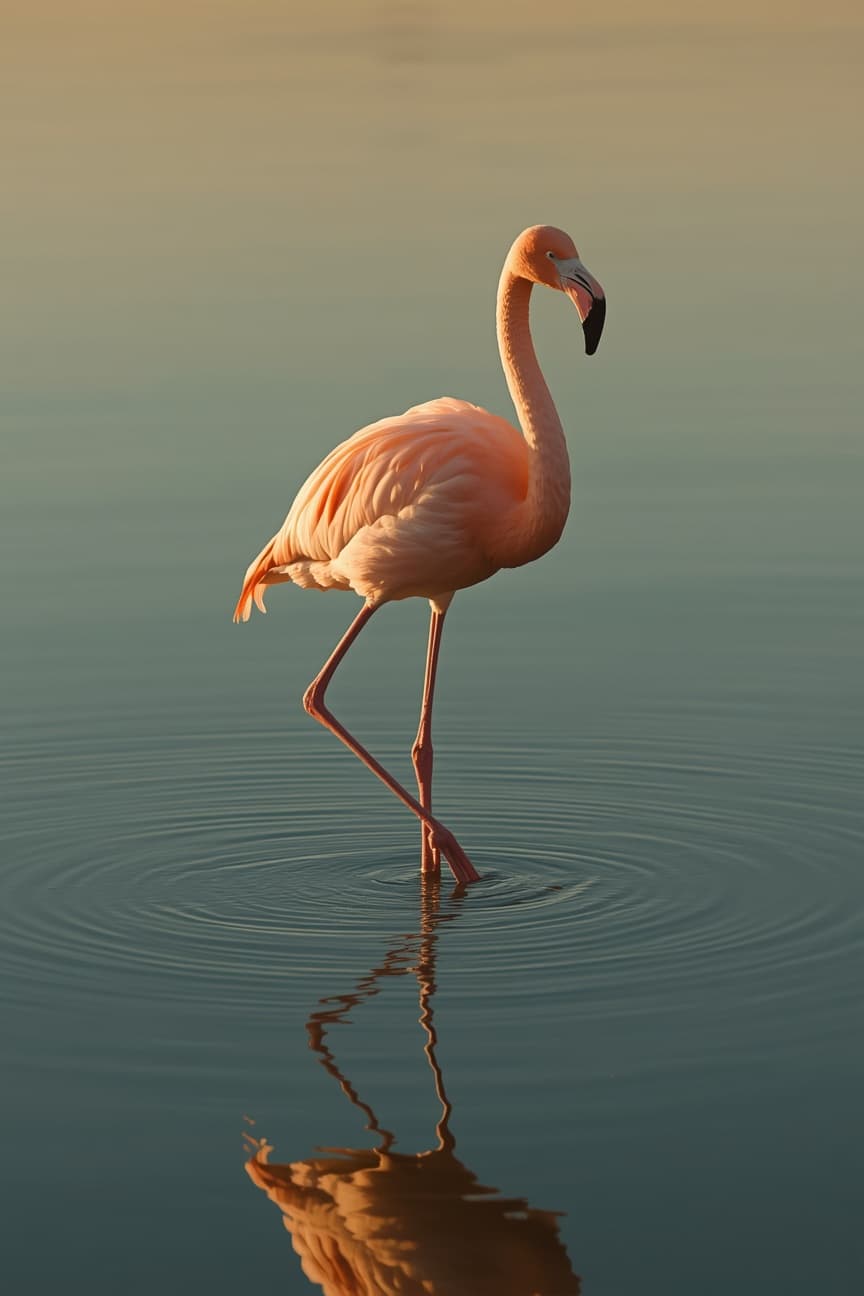
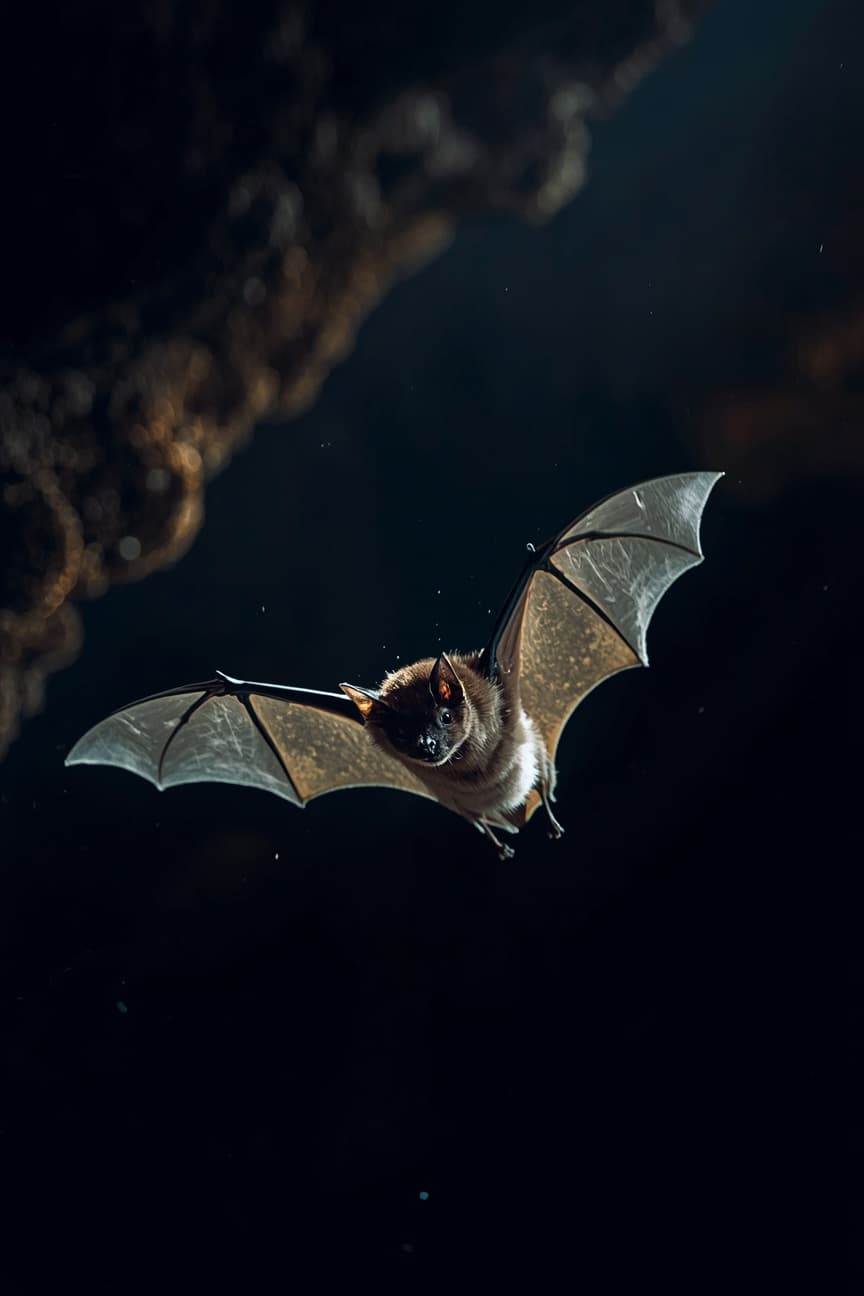
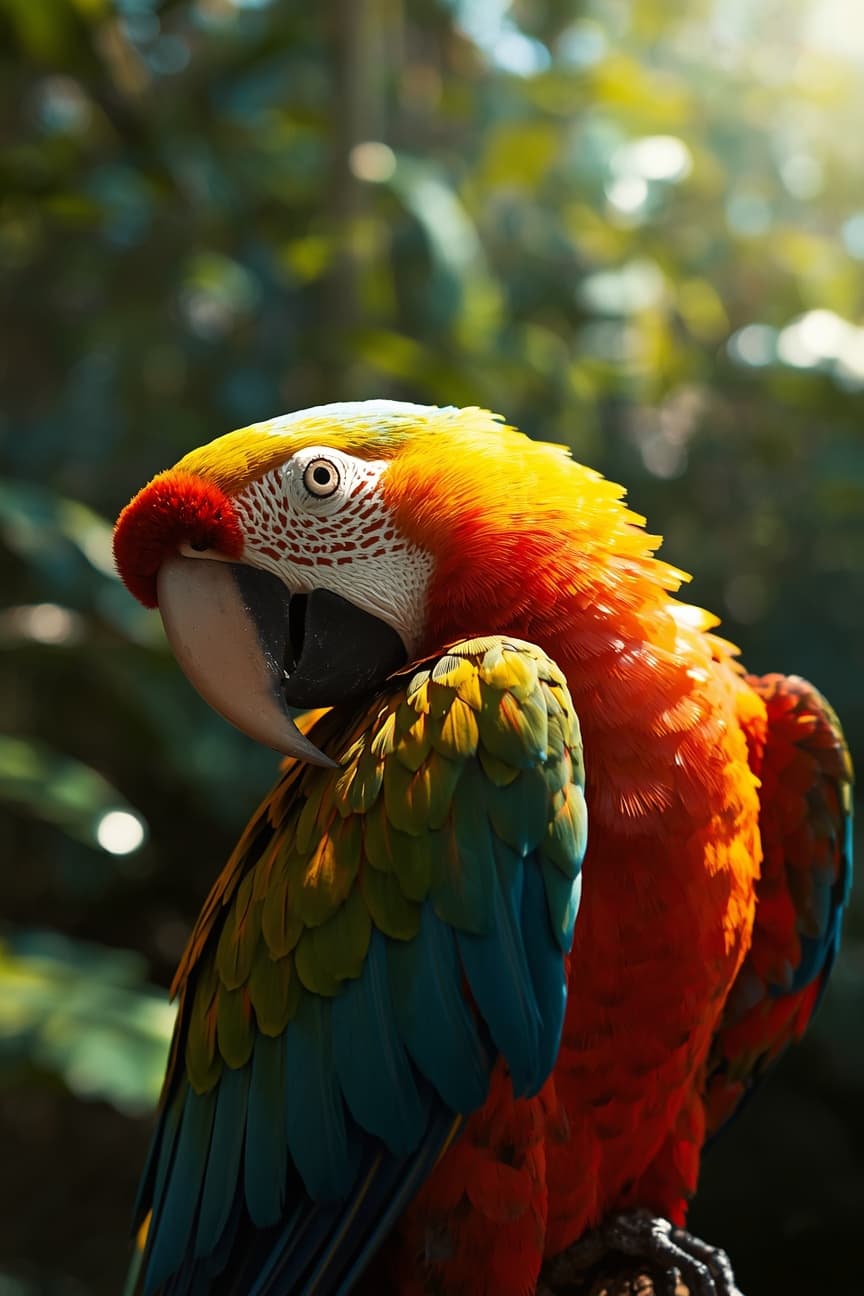
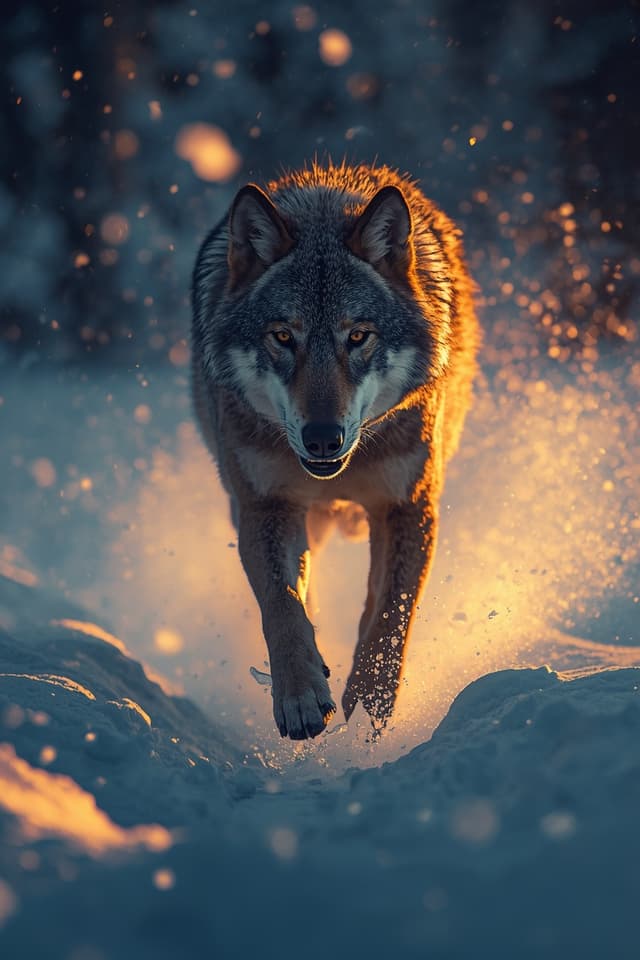
Animals & Instincts is a 50-card deck of animal portraits for exploring the parts of us that act before we think. A wolf running through snow, a meerkat on watch, a tortoise at the water's edge, a bee in the comb. People choose the animal that feels like them — or like the part of them they're struggling with — and describe it in their own words. Nothing is predicted and no animal has a fixed meaning.
The cards
Meet the animals
Up close and in their element — lit like film stills, so each animal carries a mood before it carries a meaning.
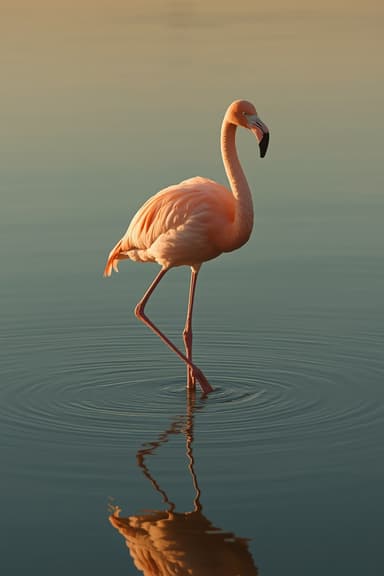
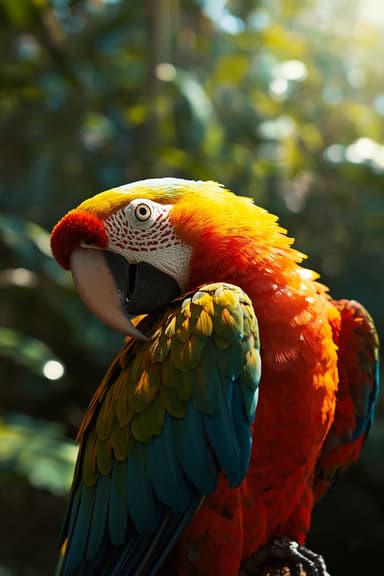
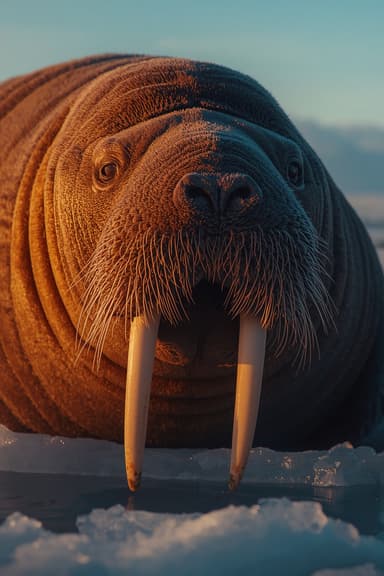
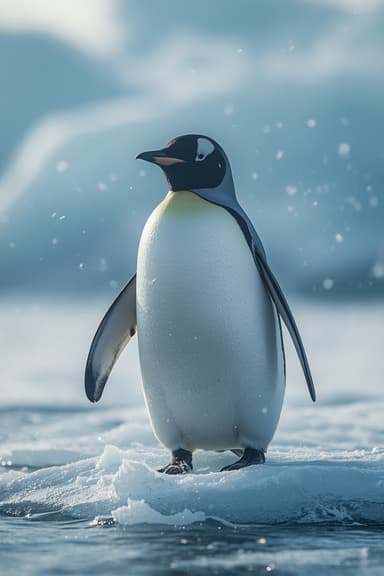
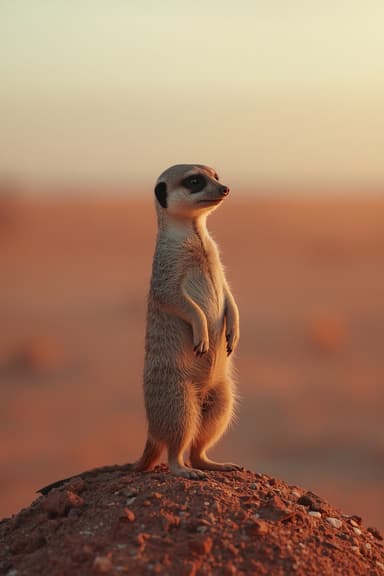
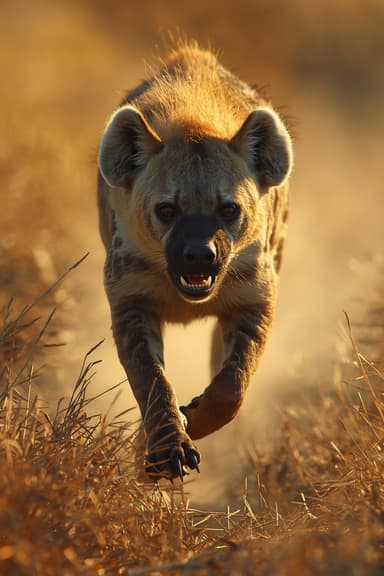
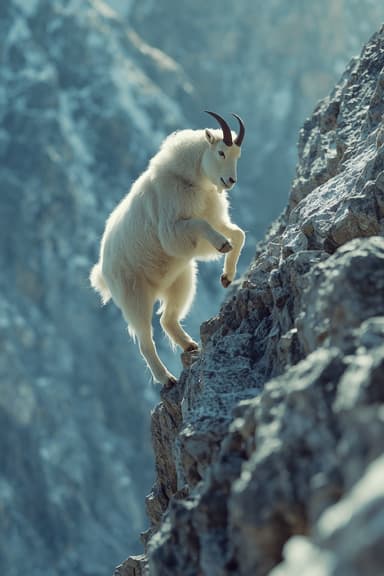
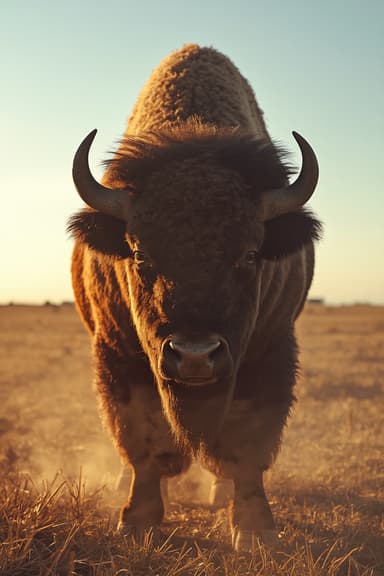
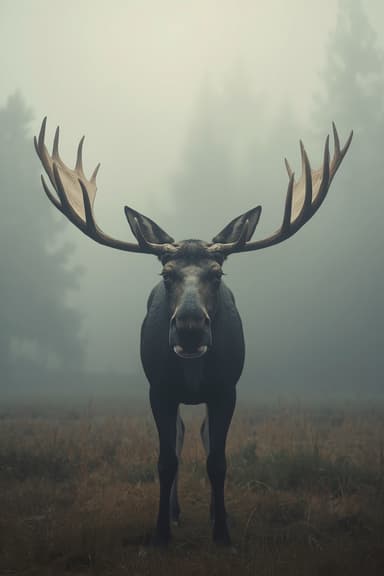
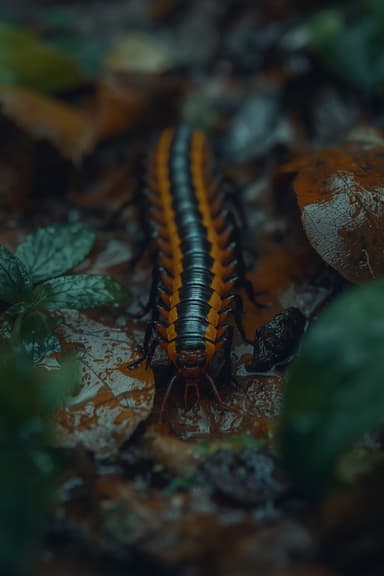
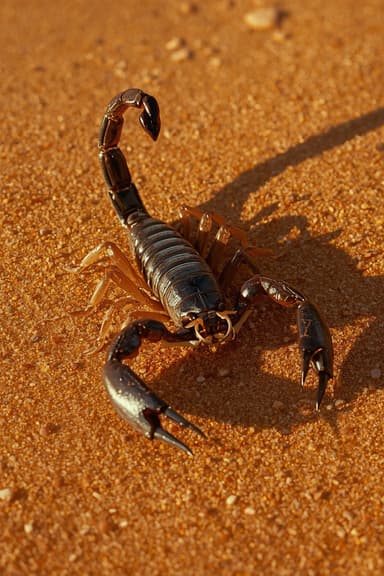
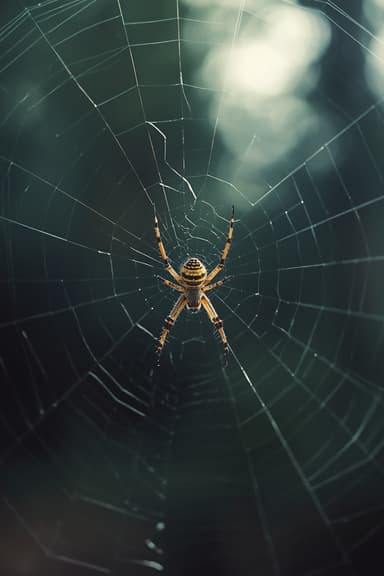
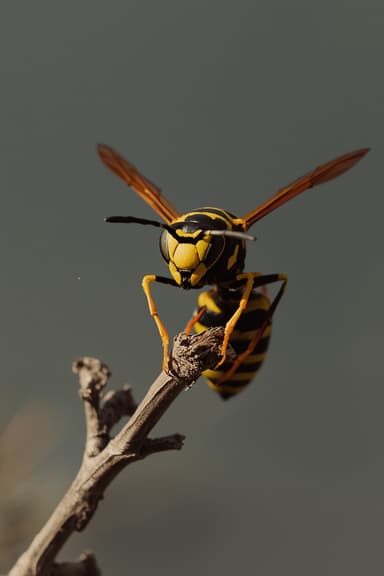
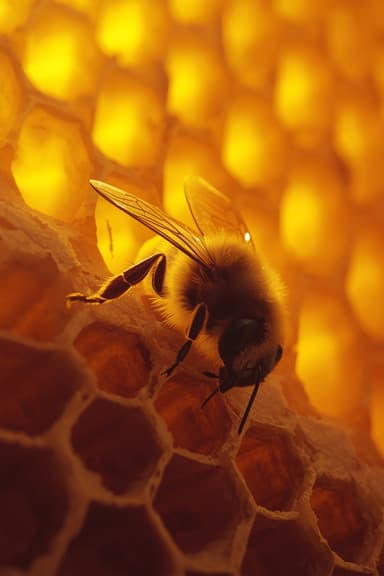

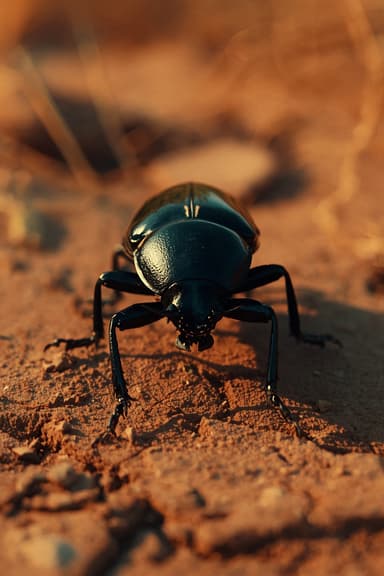
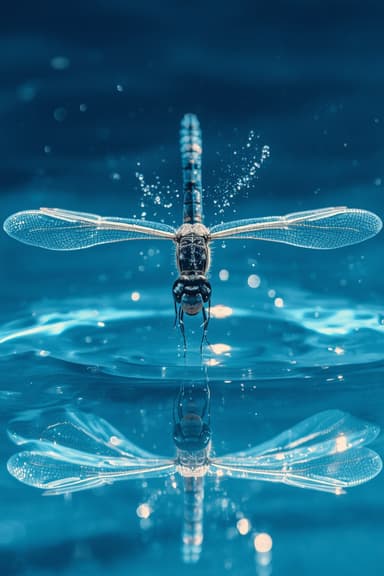
Open the deck to see all 50 animals.
What's inside
50 animals in five families
From the tiny to the fierce. The families help you set a theme; people rarely choose the animal you expect.
Who it's for
Instincts in the room
Therapists
Parts work, anger, anxiety, protective patterns. "The part of you that bites" is easier to talk about as a scorpion than as yourself.
Teens & family work
Animals are a low-threat language. A teenager who won't describe a fight will happily say which animal they turned into.
Coaches & teams
Leadership styles, team roles, reactions under pressure — and the animal you'd need to become for the next step.
When to reach for it
What this deck helps with
Parts work. Give each inner part an animal: the guard, the hider, the one that charges.
Anger and reactivity. Explore what happens in the body before the bite, the sting or the run.
Anxiety. A meerkat on watch or a moth at night can hold a feeling that's hard to own.
Strengths. Which animal do you become when things go well? What does it know?
Family roles. An animal per family member reveals roles quickly — and kindly.
Team dynamics. Colleagues pick the animal the team becomes under pressure.
Teen sessions. Playful enough to lower defences, deep enough to keep going.
Journaling. Draw an animal for your day and write what it wanted.
Example spreads
Three layouts to try
Positions set the question — the animal answers in its own way.
The inner zoo
4 cards
- 1The part that protects
- 2The part that hides
- 3The part that wants more
- 4The part that keeps watch
Under pressure
3 cards
- 1How I react
- 2What I'm protecting
- 3The animal I could be instead
Pack
5 cards
- 1Me
- 2The person closest to me
- 3The one I find hardest
- 4What the group needs
- 5The one who is missing
Questions to ask
Prompts for an animal card
How to work with it
From the wild to a conversation
Set the theme
One family of animals, or all 50 when you want a wide field.
Choose face up — or blind
Face up lets the instinct pick; face down brings a surprise worth exploring.
Let the animal speak
Describe it in the first person: "I am the bear. I…".
Write what it showed
Note the animal and its message; the session saves the spread.
The artwork
Lit like film, chosen like a mirror
Each card is an original cinematic animal portrait created for MindTrays — low sun, deep shadow, the animal close to the lens. The drama is intentional: an instinct should feel alive.
There are no names or captions on the cards and no spirit-animal meanings to look up. The animal means what the person choosing it recognises.
Questions
About this deck
Is this a spirit-animal or power-animal deck?
How many cards are in the deck?
Does it work with teenagers?
Can I use it for parts work or IFS-informed sessions?
Can I use it online?
Do I need training?
Other decks
Keep exploring



Which animal are you today?
Open Mindtrays Animals & Instincts, spread out a family of animals and see which one looks back. With a client online? Start a collaborative session and send the link.
