Using Metaphorical Cards with Teenagers: A Practical Guide for Therapists
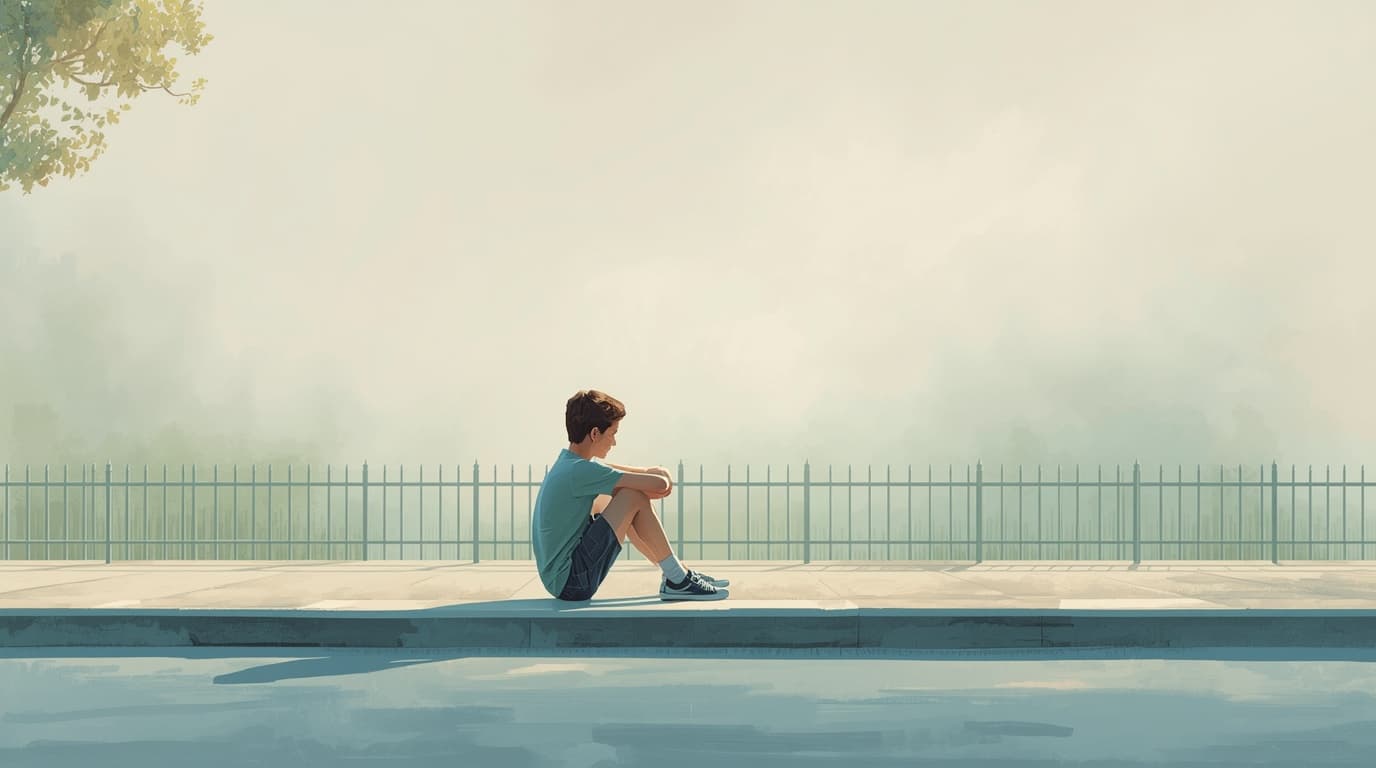
Working with teenagers often means entering a world where emotions run deep but words come slowly. Resistance, defensiveness, and “I don’t know” answers are common not because teens lack feelings, but because naming those feelings can feel risky. This is where metaphorical associative cards (MAC) become one of the most effective therapy tools for teenagers — a bridge between inner experience and safe expression. When used thoughtfully, associative cards help adolescents explore identity, relationships, stress, and emotional complexity without pressure or interrogation. This guide offers a practical, grounded approach for therapists who want to integrate associative cards with adolescents in a way that feels natural, respectful, and developmentally attuned.
Why Metaphorical Cards Work Especially Well with Teenagers
Teenagers often arrive in therapy with a mix of curiosity and caution. They want to be understood, but they also want to protect themselves. Traditional talk therapy can feel too direct, too exposing, or too adult. Metaphorical cards bypass these barriers by offering a third object — something external, neutral, and safe to project onto.
1. Cards reduce pressure to “talk about yourself”
Instead of asking, “How are you feeling?”, you can ask:
“Which image feels closest to what’s happening inside?”
“Which card shows the situation from your point of view?”
The card becomes the speaker. The teen becomes the interpreter. This shift lowers defensiveness and increases engagement.
2. Cards validate non‑verbal emotional experience
Many adolescents struggle to articulate emotions verbally. Associative images allow them to:
point
gesture
describe sensations
use metaphor
express complexity without needing perfect words
This is especially helpful for neurodivergent teens, highly sensitive teens, and those with trauma histories.
3. Cards support identity exploration
Adolescence is a time of:
self‑definition
experimentation
internal conflict
shifting roles
Images allow teens to explore “parts of me,” “who I am becoming,” and “what I’m afraid to show” in a way that feels creative rather than confrontational.
4. Cards bypass resistance
When a teen says “I don’t know,” they often mean:
“I don’t want to say the wrong thing.”
“I don’t want to be judged.”
“I don’t want to feel vulnerable.”
Cards offer a safe detour. They allow expression without self‑exposure.
5. Cards create emotional distance
Teens often feel overwhelmed by intensity. A card creates just enough distance to make the emotion manageable.
Instead of “I’m anxious,” they can say:
“This card looks like my brain when it’s too loud.”
“This storm feels like school right now.”
Distance creates safety. Safety creates honesty.
Which Types of Decks Work Best with Adolescents
Not every deck resonates with teenagers. The right choice depends on developmental needs, emotional maturity, and therapeutic goals. Here are the most effective categories.
1. Nature‑based decks
Teens respond extremely well to:
landscapes
weather
water
forests
mountains
abstract natural textures
Nature feels neutral, non‑threatening, and symbolic. It allows projection without feeling childish or too personal.
2. Abstract emotional decks
Decks with:
colors
shapes
textures
movement
light and shadow
These work beautifully for teens who struggle with verbal expression or feel uncomfortable with literal imagery.
3. Symbolic decks
Images like:
doors
paths
bridges
masks
windows
keys
These help teens explore identity, transitions, and internal conflict without feeling exposed.
4. Minimalist decks
Simple, clean images reduce overwhelm and help teens focus on meaning rather than detail.
5. Avoid overly childish or overly mystical decks
Teens quickly disengage if the imagery feels:
too “babyish”
too magical
too esoteric
too adult or dark
Choose imagery that feels modern, relatable, and emotionally spacious.
Five Techniques Adapted for Teenagers
Here are five practical, field‑tested techniques that work exceptionally well with adolescents. Each one is designed to reduce resistance, increase autonomy, and support emotional exploration.
Technique 1: “Choose Three Cards” — Past, Present, Next Step
Ask the teen to choose:
A card that shows where I was
A card that shows where I am now
A card that shows what I need next
Why it works:
Teens like structure
It feels like a game
It creates a narrative arc
It avoids direct emotional confrontation
Therapeutic prompts:
“What connects these three images?”
“What changed between the first and second card?”
“What does the third card suggest about your direction?”
Technique 2: “The Card That Annoys You”
Invite the teen to pick:
a card they dislike
a card that feels uncomfortable
a card they want to avoid
This is powerful because resistance often reveals:
hidden fears
unspoken needs
internal conflicts
suppressed emotions
Prompts:
“What makes this card uncomfortable?”
“What part of you reacts to it?”
“If this card could speak, what would it say?”
Technique 3: “Build the Situation”
Ask the teen to choose:
one card for themselves
one for another person (parent, friend, teacher)
one for the situation
This externalizes relational dynamics and helps teens articulate:
boundaries
expectations
misunderstandings
emotional roles
Prompts:
“How do these cards interact?”
“Which card has more power here?”
“What would help shift the scene?”
Technique 4: “Emotion Without Words”
For teens who struggle to name feelings, ask them to choose:
a card that shows the emotion
a card that shows the body sensation
a card that shows what they wish they could feel
This technique supports emotional literacy without pressure.
Prompts:
“Where do you feel this card in your body?”
“What does the second card add to the story?”
“What would help you move toward the third card?”
Technique 5: “The Future Snapshot”
Ask the teen to choose a card that represents:
hope
possibility
strength
a desired state
This is especially helpful for:
anxious teens
depressed teens
teens in transition
teens with low self‑esteem
Prompts:
“What part of this card feels possible right now?”
“What small step moves you toward this image?”
“What would support you in getting closer to this feeling?”
What NOT to Do When Using Cards with Teenagers
Working with adolescents requires sensitivity. Here are common mistakes to avoid.
1. Don’t interpret the card for them
Teens shut down when they feel analyzed. Let them lead the meaning‑making process.
2. Don’t push for depth too quickly
If a teen chooses a card “because it looks cool,” accept it. Meaning often emerges later.
3. Don’t correct their interpretation
Even if the card “traditionally” means something else, the teen’s meaning is the only one that matters.
4. Don’t use cards to force disclosure
Cards are an invitation, not a trap. If a teen doesn’t want to explore a card, move on.
5. Don’t overwhelm them with too many cards
Teens do best with:
20–40 cards
clear instructions
simple choices
Too many options = paralysis.
Conclusion + CTA
Metaphorical cards offer teenagers a safe, creative, and emotionally resonant way to explore their inner world. They bypass resistance, support identity formation, and help teens express what words alone cannot hold. When used with sensitivity and structure, associative cards become one of the most powerful therapy tools for teenagers, opening doors to insight, connection, and emotional growth.
If you want a deck designed specifically for gentle, nature‑based emotional exploration, explore Nature’s Whisper — a soft, intuitive tool for working with adolescents and adults alike.
Try it in your browser
Open a deck, lay out a single card, and start a quiet reflection — on your own or with someone, in real time.