Using Cards in Couples Therapy: Exploring Relationship Dynamics
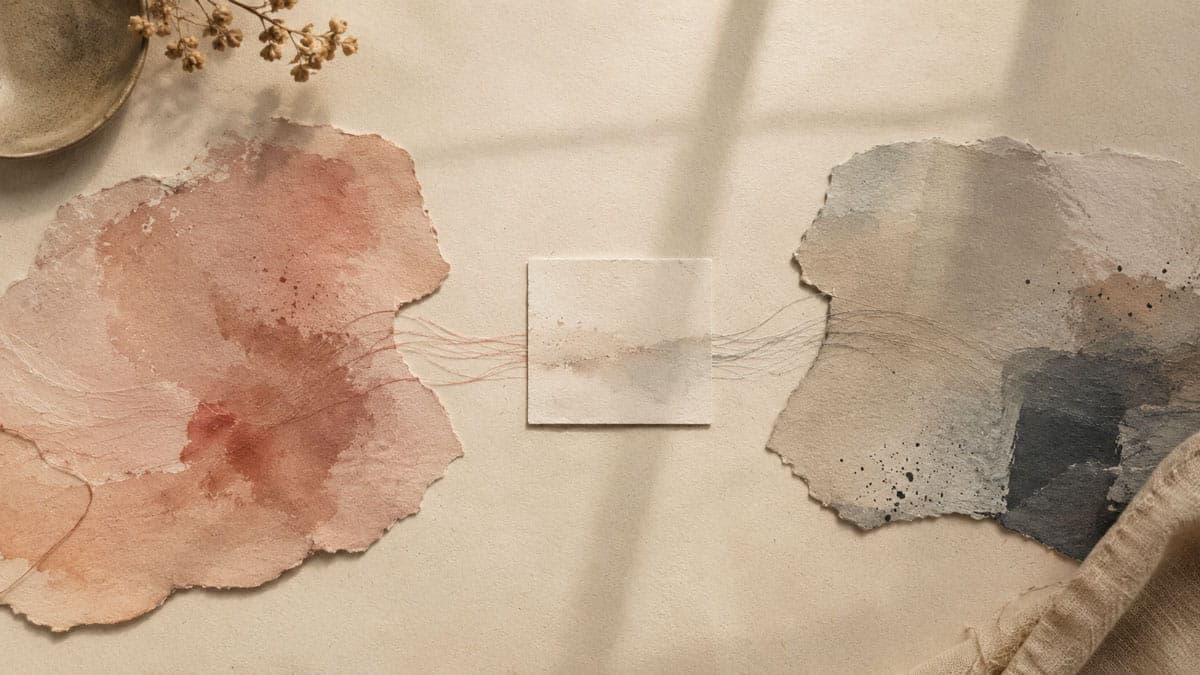
Couples work asks a lot of a therapist. Two people arrive with different perceptions of the same relationship, often braced for conflict, frequently talking past each other. One of the quiet challenges is simply slowing the room down enough for each partner to be heard without the session collapsing into the argument they have at home. Metaphorical cards are a useful tool for exactly this — they externalize feelings, reduce defensiveness, and give a couple a shared, neutral object to work around.
Here's how cards can support couples therapy, with a few structures to adapt to your own approach.
Why Cards Help in Couples Work Specifically
In individual therapy, a card helps a client access their inner world. In couples therapy, it does that and something extra: it creates a bit of safe distance between the partners. When a client points to an image and says "this is how it's felt lately," the statement lands more softly than a direct accusation. The card holds part of the charge.
Because these cards carry no fixed meanings, they also level the field. Neither partner is "right" about what an image means — each simply shares their own projection. That structure gently models the very thing couples work is trying to build: two valid perspectives, held side by side, both worth hearing.
Setting It Up
A brief framing helps couples use the cards well. It's worth saying plainly that the images have no set meaning and aren't tarot — there's nothing to interpret "correctly," and each person's response is about themselves, not a verdict on their partner. Establish the basic rhythm too: one person shares while the other listens without interrupting, then they switch. That turn-taking is often therapeutic in itself.
Structures to Try
Parallel check-in
Open a session by having each partner pull a card for how they're arriving, or for how the relationship has felt this week. Sharing these side by side surfaces the emotional weather in the room quickly, and often reveals gaps — one partner content, the other quietly struggling — that shape where the session needs to go.
The relationship between them
Ask the couple to choose cards together for the relationship itself — its current state, or the dynamic they keep getting caught in. Working on a shared image externalizes the pattern: it's no longer "your fault / my fault" but "this thing we're both inside." Systemically minded practitioners can lay cards out to map the pattern spatially, moving them to explore what shifts it.
Needs and appreciations
Have each partner pull one card for something they need more of and one for something they appreciate in the other. Cards make both easier to voice — needs sound less like demands, appreciations land more deeply — and pairing them keeps the session from tipping entirely toward grievance.
Hopes for the future
Toward the end of a piece of work, invite each partner to choose a card for the relationship they want to build. Shared hope, made visible, can re-anchor a couple in why they're doing the work at all.
A Few Clinical Cautions
- Keep the frame safe. Cards can open real feeling quickly. Make sure the pacing and your containment can hold what surfaces, especially where there's high conflict.
- Watch for weaponizing. Occasionally a partner uses "what I see in your card" as a way to criticize. Gently redirect: each person speaks about their own image and their own experience.
- Let choice stay with the couple. A card someone would rather not explore is information, not resistance to push through.
- Screen appropriately. As always, situations involving abuse or safety concerns call for the relevant clinical judgment and protocols, cards or not.
Working Online
Much couples work now happens over video, and image-based methods carry over well — sometimes better than expected, since a shared visual gives everyone a common focus. With a browser-based tool, both partners can see and arrange the same cards live, rather than watching you hold them to a webcam. If you work remotely, being able to run a shared board where each person places their own cards keeps the work active and genuinely collaborative.
Bringing It Into Your Practice
Evocative, relational imagery serves couples work best. The Figures deck is a natural fit — its silhouettes evoke closeness, distance, and connection — and Essence offers layered emotional imagery for deeper sessions. Both can be worked with in the browser, on your own or live with clients.
Explore the decks on MindTrays
— MindTrays Team
Try it in your browser
Open a deck, lay out a single card, and start a quiet reflection — on your own or with someone, in real time.